The Delhi issue
Where Delhi Still Cooks Like the Mughal Court
Delhi's imperial kitchens survive in a 1913 kebab shop by Jama Masjid and in the sealed dum pots of Chanakyapuri: what to order, what it costs, and which rooms actually deliver.
By Nandita RaoFrom the Chandni Chowk galis to the new-Delhi tasting menus
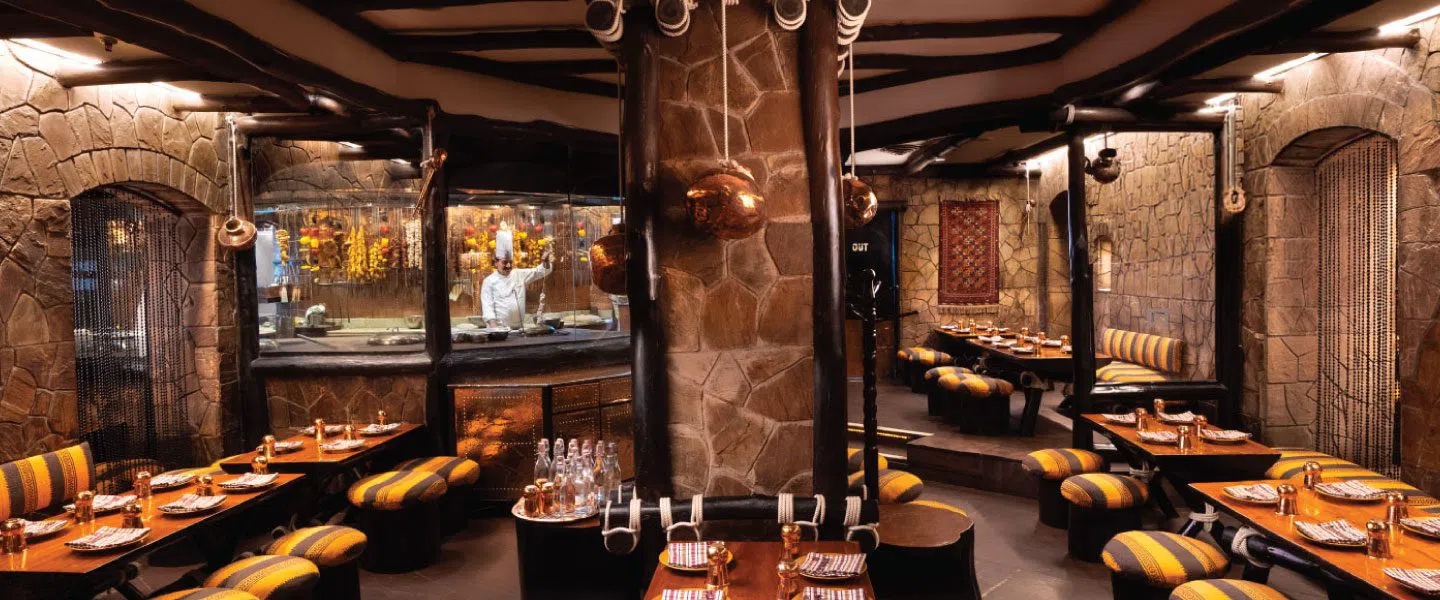
The smell reaches you before the plate does: charcoal, hung yoghurt, a black cardamom bruised an hour ago inside a sealed clay pot. Delhi has been cooking for emperors, nawabs, viceroys and their enormous staffs for four centuries, and very little of it was lost. The kebab engineered for a king with no teeth is on a menu tonight, at a price you can check in advance. That lineage is still alive in a courtyard shop by Jama Masjid where two brothers took the palace recipes public in 1913, and in hotel dining rooms where a table for two runs past ₹12,000.
This is also the part of Delhi's food scene most exposed to coasting on reputation. Some of these rooms have been famous for forty years and still cook like they have something to prove. Others elsewhere in the city no longer do, which is why the list below is short.
Two rooms in one Chanakyapuri hotel that set the benchmark
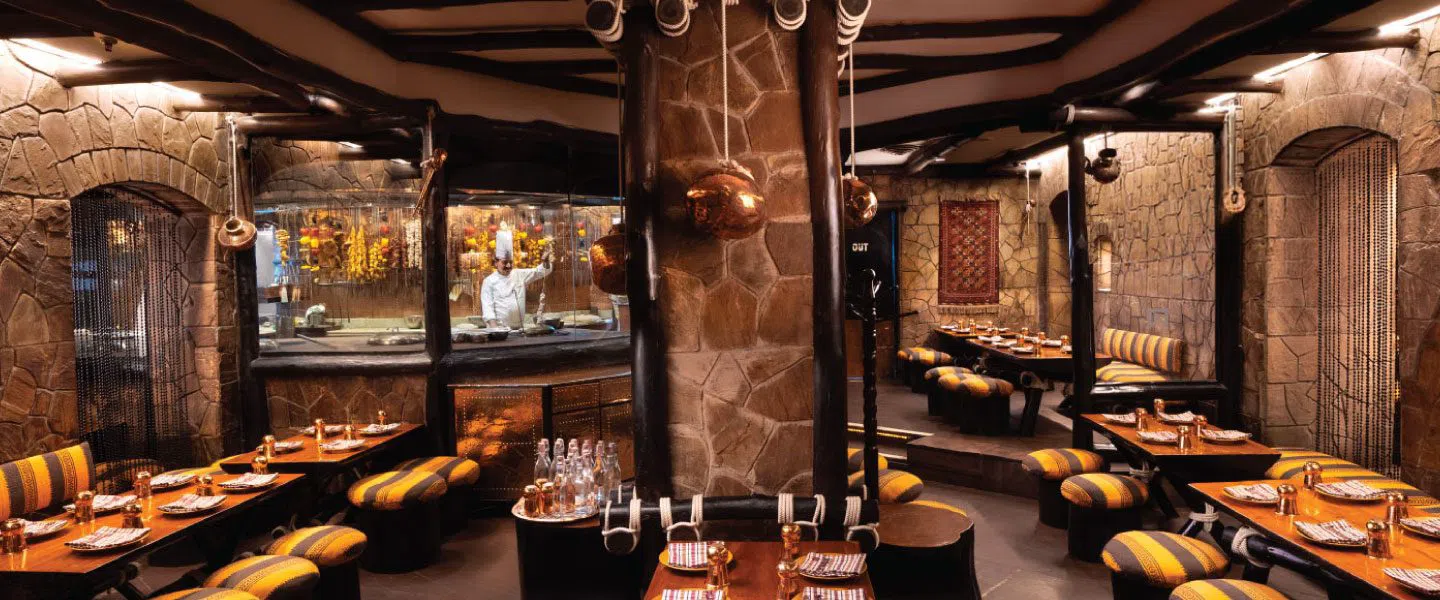
Bukhara (ITC Maurya, Chanakyapuri) is the single most internationally recognised Indian restaurant in the city, and the clearest surviving line to the pre-Mughal kitchens of the northwest frontier, food built by traders and tribes around an open fire rather than by a court. Forty-five years on, the menu has barely moved and they still refuse to hand you a fork. That is not a gimmick: the sikandari raan and the tandoori prawns are meant to be pulled apart with bread and fingers, and the black dal has been on the same slow simmer since the 1970s. Expect ₹8,000-12,000 for two.
Book realistically. Bukhara does not open à la carte reservations far in advance, so go through ITC's own channels or EazyDiner around 72 hours out, and if you are more than eight people, call the hotel directly rather than fighting an app. It takes groups constantly; diplomatic and corporate tables are its bread and butter. It is not a quiet, romantic room. It is loud, it turns tables, you will wear a bib, and your hands will be a mess. Couples wanting an unhurried evening should walk down the corridor instead.
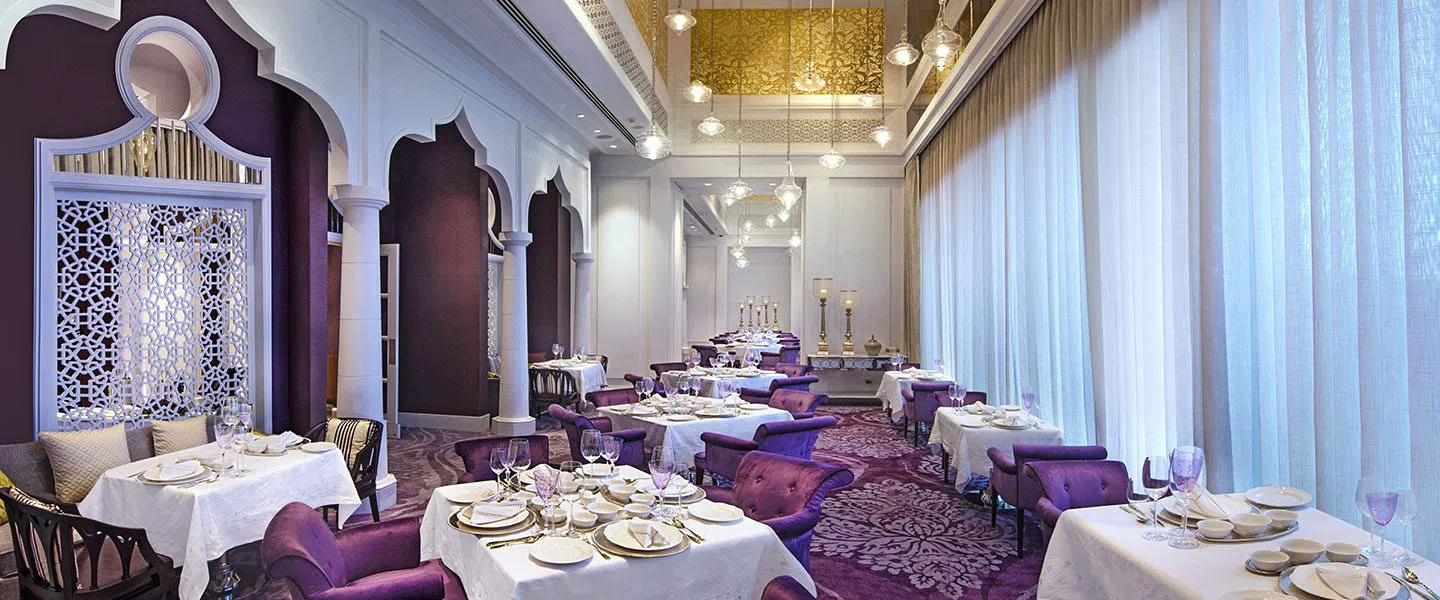
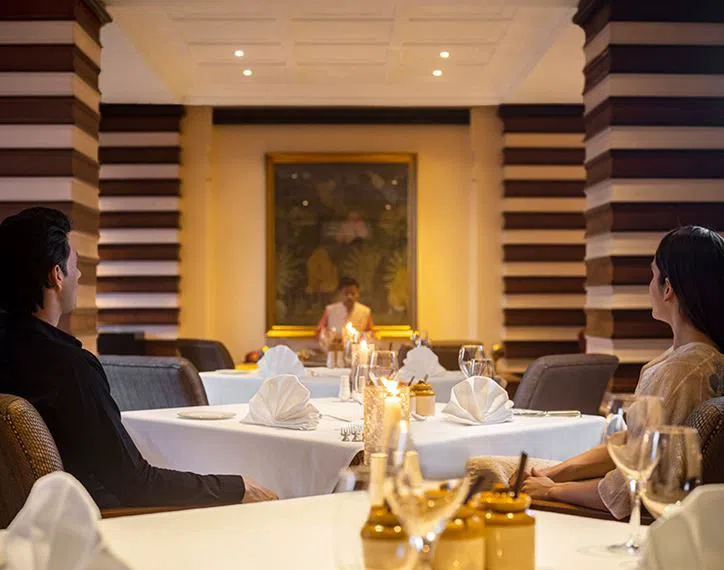
Dum Pukht (ITC Maurya, Chanakyapuri) is the literal subject of this article. Dum pukht is the sealed-pot technique perfected in the kitchens of the Nawabs of Awadh, where dough locks a lid onto a handi and the contents cook in their own steam for hours. The kakori and galouti kebabs here are the court's most famous piece of engineering: meat pounded and enriched until a patron with failing teeth could eat it, a texture nobody has improved on since. Round tables and private nooks handle parties of 6-12 comfortably; anything larger needs a call to the hotel. Smart dress is expected, and enforced in spirit if not with a clipboard. ₹9,000-14,000 for two, and worth the gap over Bukhara if you want to sit still for three hours.
Plan your Delhi trip
Live prices from our booking partners.
Free cancellation on many rooms. We may earn a commission when you book.
Palace hotels and the princely-state kitchens
Jamavar (The Leela Palace, Chanakyapuri) is the most useful room in Delhi for eating royal cooking that isn't Mughal. It runs recurring royal-kitchen menus, including a Rajasthani court pop-up with its sibling kitchen in April 2026, so the laal maas-and-game end of the princely repertoire turns up here in a way it doesn't elsewhere in the city. Check what's running before you book, because the standing menu is excellent pan-Indian and the pop-ups are the reason to prioritise it. Very group-friendly: large tables, private dining, and a concierge who will handle a party of fifteen without drama. ₹8,000-12,000 for two.
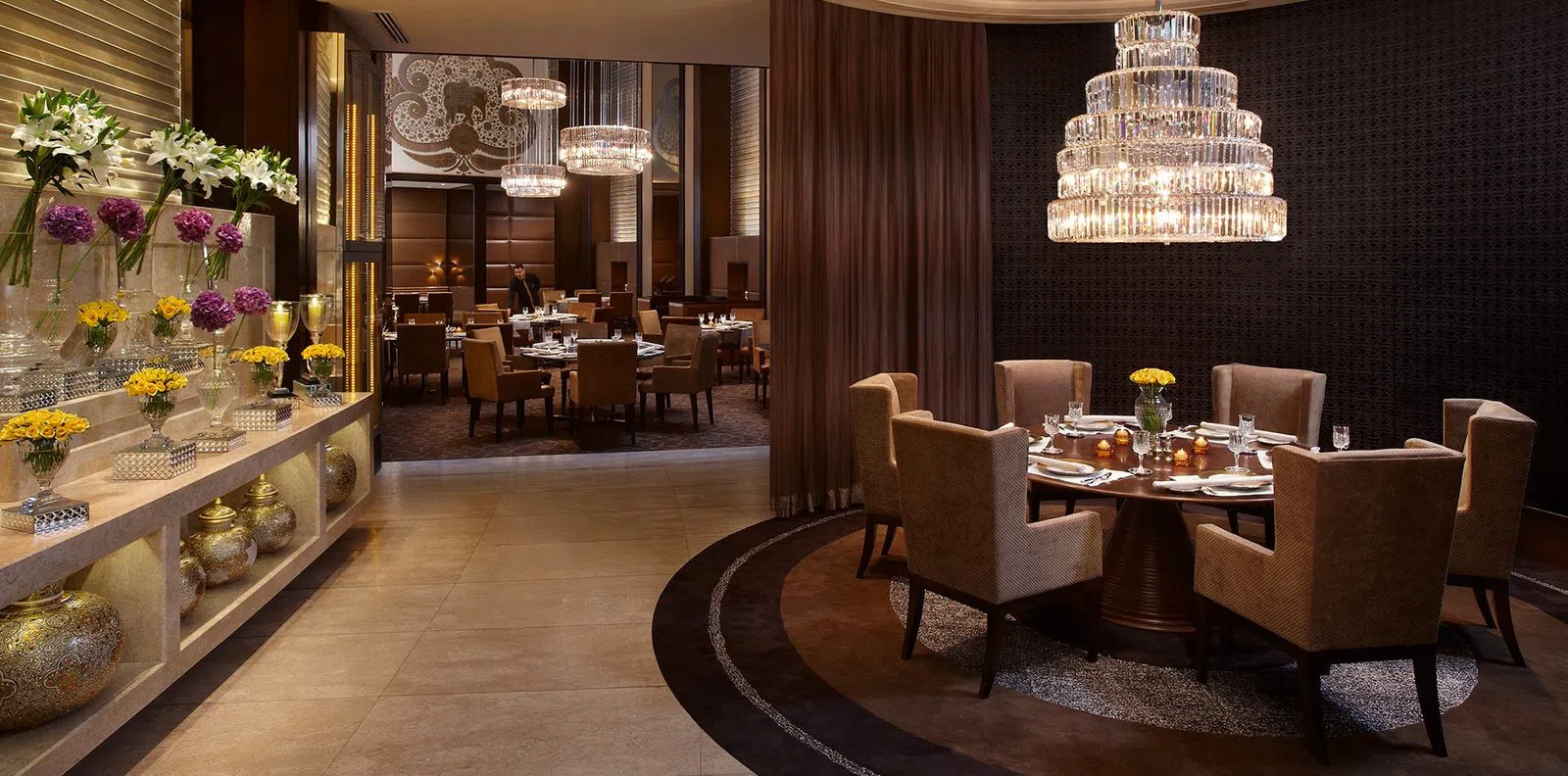
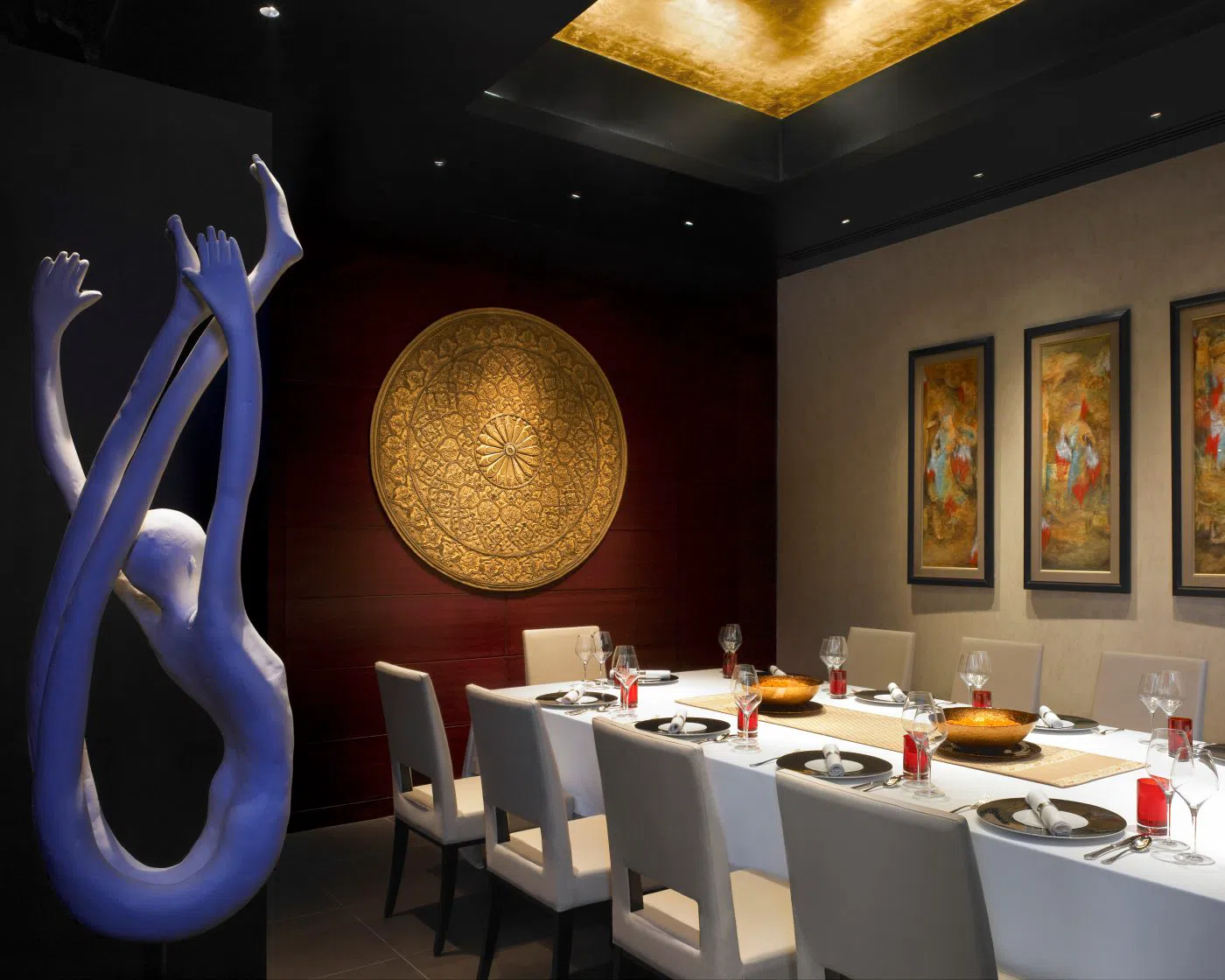
Varq (Taj Mahal New Delhi, Man Singh Road) is named for the beaten silver leaf that once signalled a royal table, and at ₹4,500-7,000 for two it is the best-value fine-dining room on this list. The kitchen re-plates court dishes for a contemporary audience without sliding into foam-and-tweezers nonsense; the flavours stay recognisable even when the plating doesn't. Service is 12:30-3pm and 7-11:30pm daily, groups of 8-10 are straightforward, and private dining runs through the hotel. If you only have one fine-dining night and you want to spend the rest of your budget in Old Delhi, this is the one.
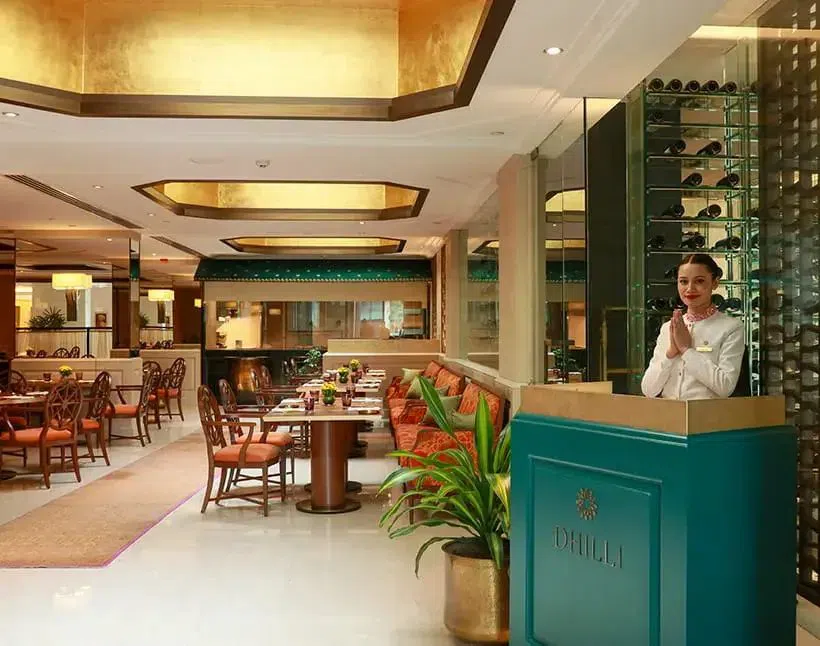
Dhilli (The Oberoi, Dr Zakir Hussain Marg) is the newest of the palace-hotel Indian rooms, successor to Omya on the hotel's dining roster, and it is mentored by Michelin-starred chef Vineet Bhatia. The whole menu is built on Delhi's own lineage, Chandni Chowk chaat at one end and Jama Masjid-style kormas at the other, which makes it a neat bookend if you're eating in the old city on another night. ₹8,000-13,000 for two. Read the door policy first: full-length trousers and closed shoes for men, and no under-13s after 9pm, so it is not the room for a late family group, however well-behaved your teenagers are.
The court cooking still being written
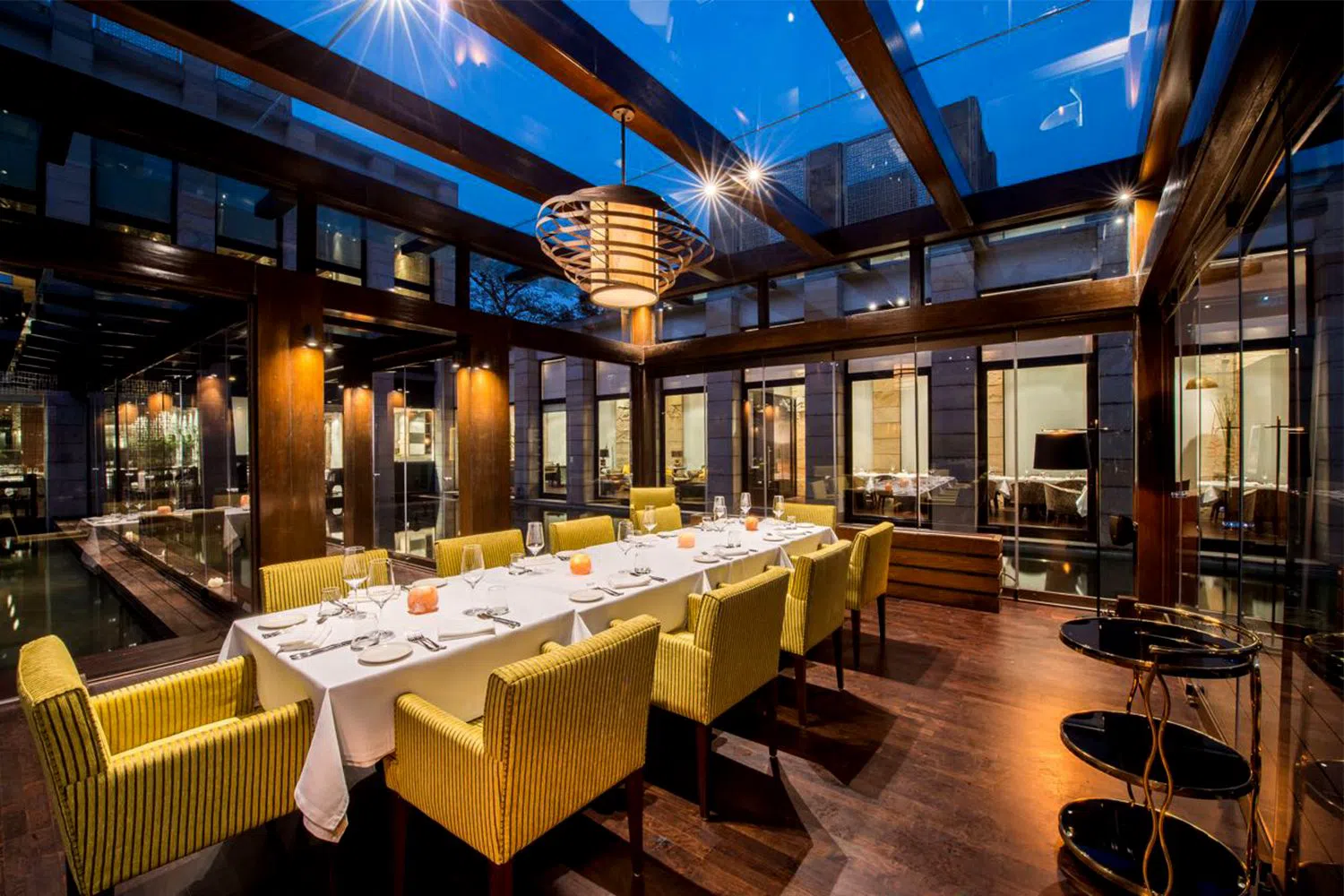
Indian Accent (The Lodhi, Lodhi Road) is Delhi's most decorated modern Indian kitchen, and the best evidence that court cooking is still being written rather than curated. The daulat ki chaat makes the case on its own: a Mughal winter street sweet, whipped overnight in the cold and traditionally gone by mid-morning, rebuilt here as a dessert course you can order in June. Tasting menus put a couple at ₹12,000-18,000. It handles private groups better than almost anywhere in this piece, with three private dining rooms taking 10 to 40 guests with custom menus and pairings, and a main room seating over 100. Book weeks out for weekends; the private rooms need longer, and a conversation about the menu.
Qavalli (Worldmark 1, Aerocity) is the newest credible entry in the royal-revival category and the only one that goes after the whole evening rather than just the plate: Mughlai and Awadhi cooking, live Sufi qawwali, ₹2,000-3,000 for two. It is the closest a modern restaurant gets to what a court evening actually felt like, when musicians were as much a part of dinner as the cooks. The mehfil nights are built for large tables, and the Aerocity location makes it the obvious pick for a group with an early flight. When the qawwals are going, this is not a room for quiet conversation, and it isn't trying to be.
The Raj half of the story
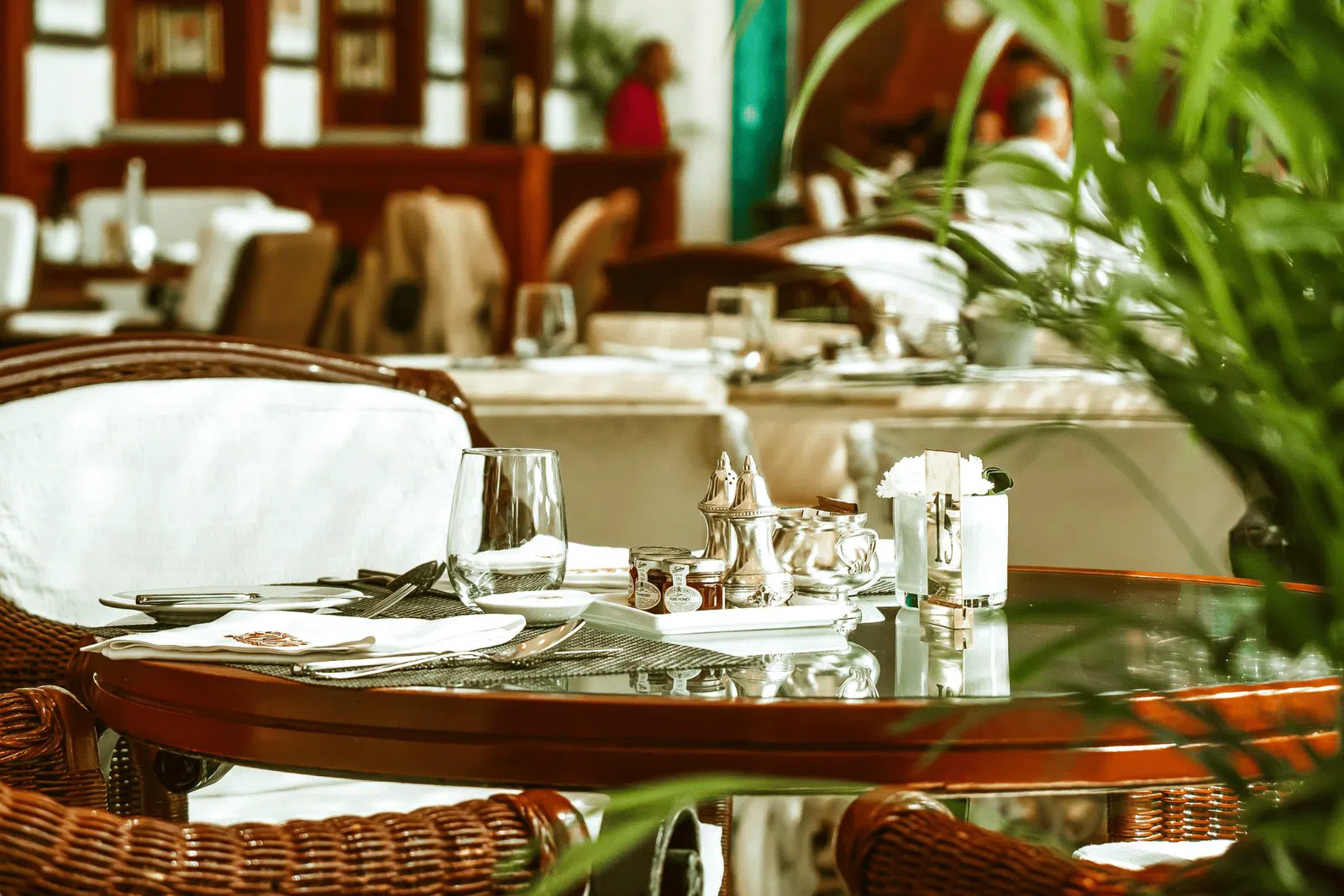
1911 Restaurant (The Imperial, Janpath) is named for the year of the Delhi Durbar, when the capital was moved and the imperial city we now call Lutyens' Delhi was set in motion. It is the most honest room in town for the British-era chapter: Indo-European brasserie cooking inside a hotel purpose-built to be imperial Delhi's drawing room, and which still looks it. All-day dining from 12pm to 11:45pm, so it solves the awkward 4pm hunger that the Indian fine-dining rooms won't. ₹5,000-7,000 for two. Groups seat easily and the verandah takes the larger parties; the hotel's event team handles anything private. Go for the room and the continuity as much as the food, and go in daylight at least once, because the corridor of Raj-era art on the way in is part of the meal.
Old Delhi, where the palace recipes went public
Everything above is the top of the pyramid. The more important story happened in 1857, when the last Mughal court was dismantled and its cooks had to find work.
Karim's (Matia Mahal, in the lane running east from Jama Masjid) is the single most important address here. It was founded in 1913 by Haji Karimuddin, whose father had cooked in Bahadur Shah Zafar's kitchen: imperial recipes taken out of the palace and sold to anyone with a few coins. It is still ₹800-1,500 for two. There are no reservations and no frills, just several plain rooms around a courtyard, shared tables, and a queue at peak that regularly runs past thirty minutes on Friday and Saturday nights. Order the mutton burra, the mutton korma and roomali roti, and skip the long tail of the menu. Bring cash, go before 8pm or after 10:30pm, and accept the room for what it is.

Al Jawahar (Matia Mahal, a few doors along) opened in 1948 and was inaugurated by Nehru, whose name it carries. It is the more comfortable of the two Matia Mahal giants: a large upstairs room that takes groups, cleaner and calmer than most of the lane, open 7am to midnight daily, which makes it the answer to an early breakfast of nihari as well as a late dinner. ₹600-1,200 for two. If the Karim's queue defeats you, come here on its own merits; plenty of locals rank the korma above its neighbour's.

Lakhori (Haveli Dharampura, Chandni Chowk) is where the setting does as much narrative work as the cooking. The haveli is a UNESCO-awarded restoration, and eating Mughlai plates inside genuine Shahjahanabad architecture (carved sandstone courtyard, rooftop above the rooflines of the old city, live music nightly) is a different experience from eating the same dishes under hotel lighting. A five-course tasting menu runs Friday to Sunday; budget ₹4,000-7,000 for two. Both the courtyard and the rooftop take groups and the haveli runs private events, but it is a small property, so book ahead and confirm whether you're seated inside or up top, because those are two different evenings.
Chor Bizarre (Hotel Broadway, Asaf Ali Road) covers the court cuisine most visitors miss entirely. Wazwan is the thirty-six-course Kashmiri banquet, a royal court cuisine in its own right with its own hereditary chefs, and this is the only place in Delhi serving it seriously on an everyday basis. Order the tarami, the communal copper platter; two people can eat well for ₹2,500-4,000, but four or six will see far more of the repertoire. Open since 1990 and now back at its original Hotel Broadway address, a short walk or a very short ride from the old city proper.
What Delhi actually eats at eleven at night
Gulati (Pandara Road Market) has been open since 1959 and belongs to the same Partition-era Punjabi-Mughlai lineage that produced Delhi's butter-chicken canon. It is on this list precisely because it is unglamorous: 140 covers, noon to midnight seven days a week, full of people who live here. Reserve at weekends or you will wait on the pavement. ₹2,500-3,500 for two, and the dal makhani and the raan justify the room's reputation.
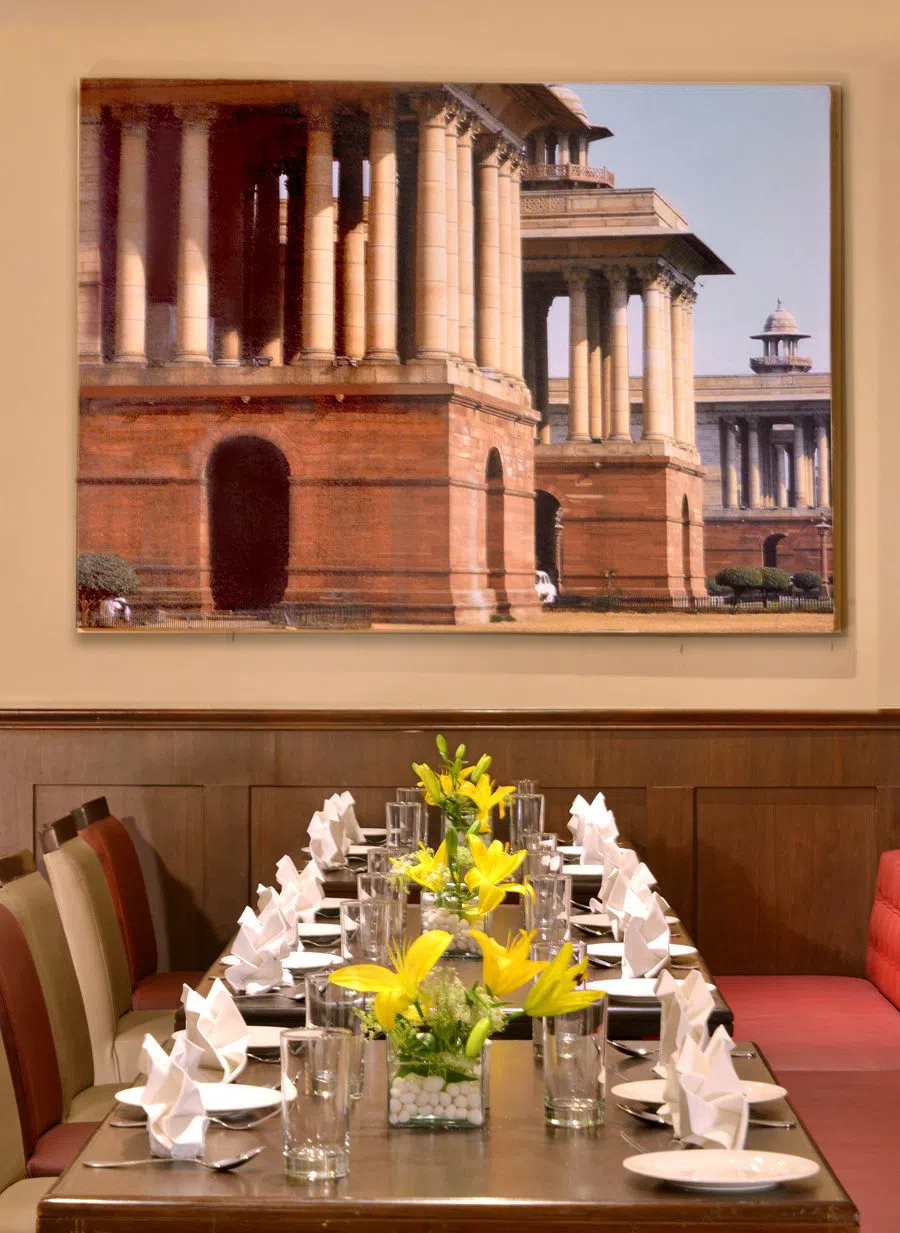
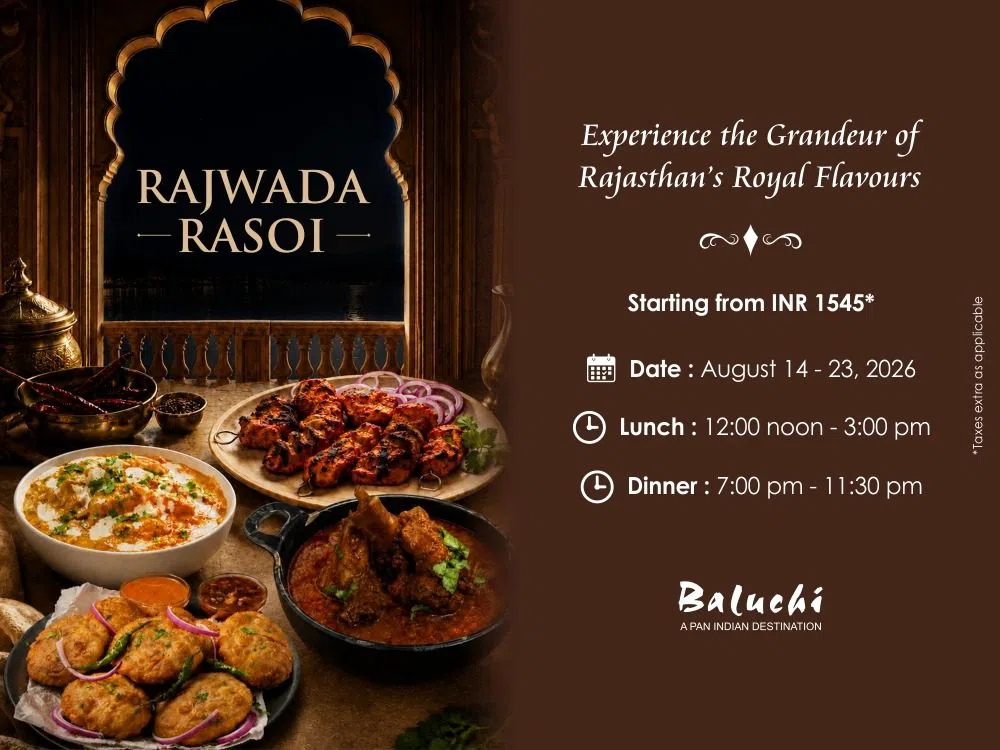
Baluchi (The LaLiT, Connaught Place) is the sensible fallback for nights when Bukhara and Dum Pukht are both booked out: central, hotel-scale service, comfortable for ten or more, ₹4,000-6,000 for two. The live bread bar gives it a real point of difference, so order breads you can't get elsewhere rather than defaulting to naan.
Getting around it, paying for it, timing it
The Metro is the fastest way into the old city. Jama Masjid station on the Violet Line puts you a few minutes' walk from Matia Mahal, and Chandni Chowk on the Yellow Line is the approach for Haveli Dharampura. Trains stop running around 11pm, so plan the ride back. The hotel restaurants in Chanakyapuri and Lutyens' Delhi are best reached by app cab; allow 40-50 minutes between Chanakyapuri and the old city in evening traffic, and more on a Friday.
Karim's and Al Jawahar are cash-first, so carry small notes. Everything in the fine-dining group takes cards and adds taxes and service on top of the ranges quoted here, so treat those figures as the food-and-soft-drinks bill rather than the final one. Alcohol at the palace hotels will add substantially.
Old Delhi is at its worst for crowds between 1pm and 4pm and again from 8 to 10pm on weekends, so go early evening or late. The lanes around Jama Masjid stay open deep into the night during Ramadan, the single best time to eat there if your dates allow. Hotel restaurants generally serve 7 to 11:30pm and want you seated by 10.
A credible three-day version of this itinerary: one palace-hotel dinner (₹9,000-14,000 for two), one old-city crawl across Karim's and Al Jawahar (under ₹2,000 for two, easily), one mid-range night at Varq, Chor Bizarre or Qavalli (₹2,000-7,000), plus 1911 for a long lunch. Stay central; anywhere between Connaught Place and Lodhi Road keeps every address in this piece within a half-hour ride. Compare rates with a Delhi hotel search before you lock the dates. For everything else worth building the trip around, start with our Delhi guide.
Before you go
Which Delhi restaurant is closest to genuine Mughal court cooking?
Dum Pukht at the ITC Maurya in Chanakyapuri. It cooks by the sealed-pot dum method of the Nawabs of Awadh, and its kakori and galouti kebabs are the court's own recipes. Expect ₹9,000 to 14,000 for two. For the oldest continuous line to the imperial kitchen, go to Karim's by Jama Masjid, founded in 1913 by the son of a cook who worked for Bahadur Shah Zafar.
How far in advance should I book Bukhara?
Bukhara does not release à la carte reservations far ahead. Book through ITC's own channels or EazyDiner roughly 72 hours before you want to eat. If your party is larger than about eight, skip the apps and call the hotel directly; it handles big diplomatic and corporate tables all the time.
Do any of these restaurants have a dress code?
Dhilli at The Oberoi requires full-length trousers and closed shoes for men, and does not admit under-13s after 9pm. Dum Pukht expects smart dress. The other hotel restaurants are smart casual in practice. Karim's, Al Jawahar and Gulati have no dress code at all.
Is Karim's or Al Jawahar the better choice?
They are a few doors apart on Matia Mahal and both are worth eating at. Karim's is the historic address and the busier one, with no reservations, shared tables and a real queue at weekend peaks. Al Jawahar, opened in 1948, has a large upstairs room that is calmer and cleaner, opens 7am to midnight, and takes groups more comfortably. Both are cash-first and under ₹1,500 for two.
Which of these places work for a large group?
Indian Accent has three private rooms taking 10 to 40 guests with custom menus; Jamavar and Baluchi both handle parties of ten-plus through their hotels; Qavalli's mehfil nights are designed around large tables; and Chor Bizarre's communal tarami wazwan platter is built for a group. Lakhori takes groups in its courtyard and on the roof but is small, so book well ahead.