The smell reaches you before the noise does: hot oil, coal ash and damp brick, drifting across a yard where eleven working steam locomotives are kept in running order by fitters who will tell you, unprompted, which of them pulls best on a wet rail. Delhi's railway story is not held in one building, and it is not finished. It runs from that shed, through a Mughal fort with a British line driven clean through the middle of it, down to a small museum behind the ticket gates of a metro station, and out onto a corridor where trains now cross the same flat countryside at 160 km/h.
Most visitors work through the monument list (fort, tomb, minaret, mosque) and never notice that the thing which reorganised this city more thoroughly than any emperor is still running underneath them. The railway decided where Delhi's hotels went, which quarters filled with which people, and which walls came down to make room. What follows is a route through that, arranged so you can actually plan it: one long day trip, one half-day in the old city, a couple of hours in New Delhi, and an optional week on a train that costs more than most people spend on an entire trip.
Eleven working steam engines and the fitters who keep them
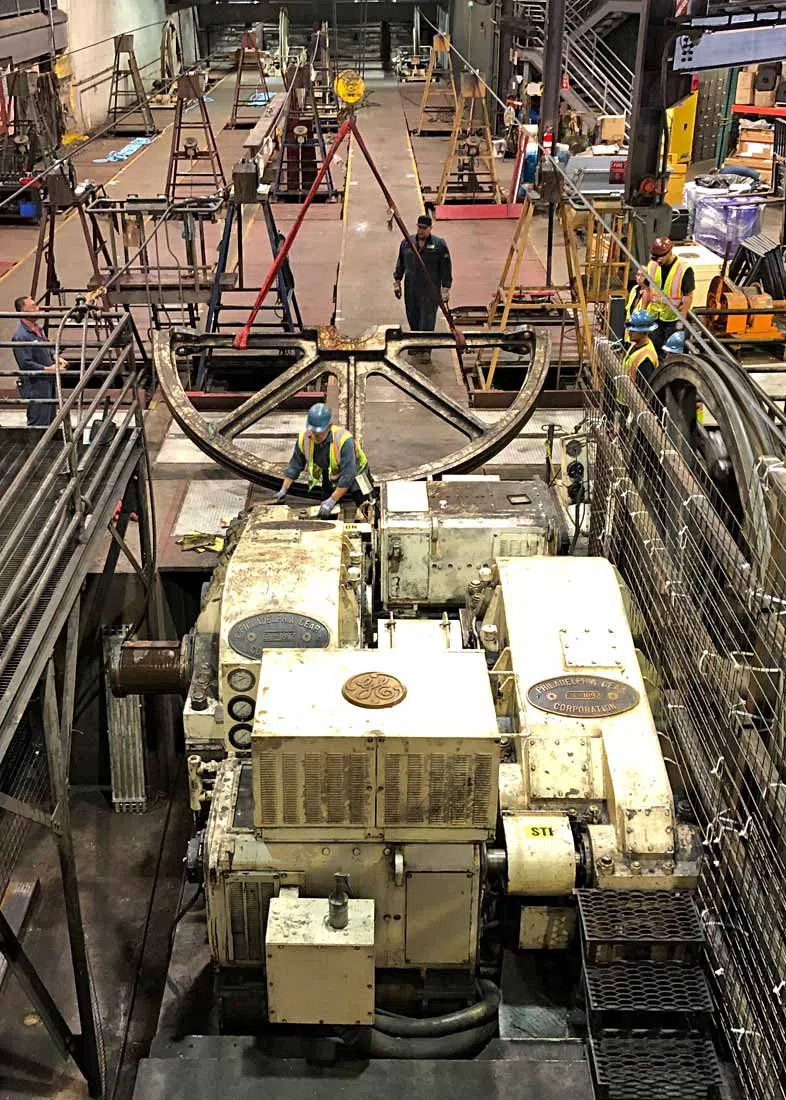
Rewari Railway Heritage Museum, signed locally as the Rewari Steam Locomotive Shed, sits out in Haryana a little under 80 km south-west of the centre. It is the most important railway site in India, and almost nobody on the tourist trail has heard of it. Eleven of the sixteen steam locomotives still operational in the country live here and are maintained here. It is a working shed with a museum attached rather than a museum with dead engines parked outside: boilers are lit, locomotives move under their own power, and the grease on the floor will end up on your trousers.
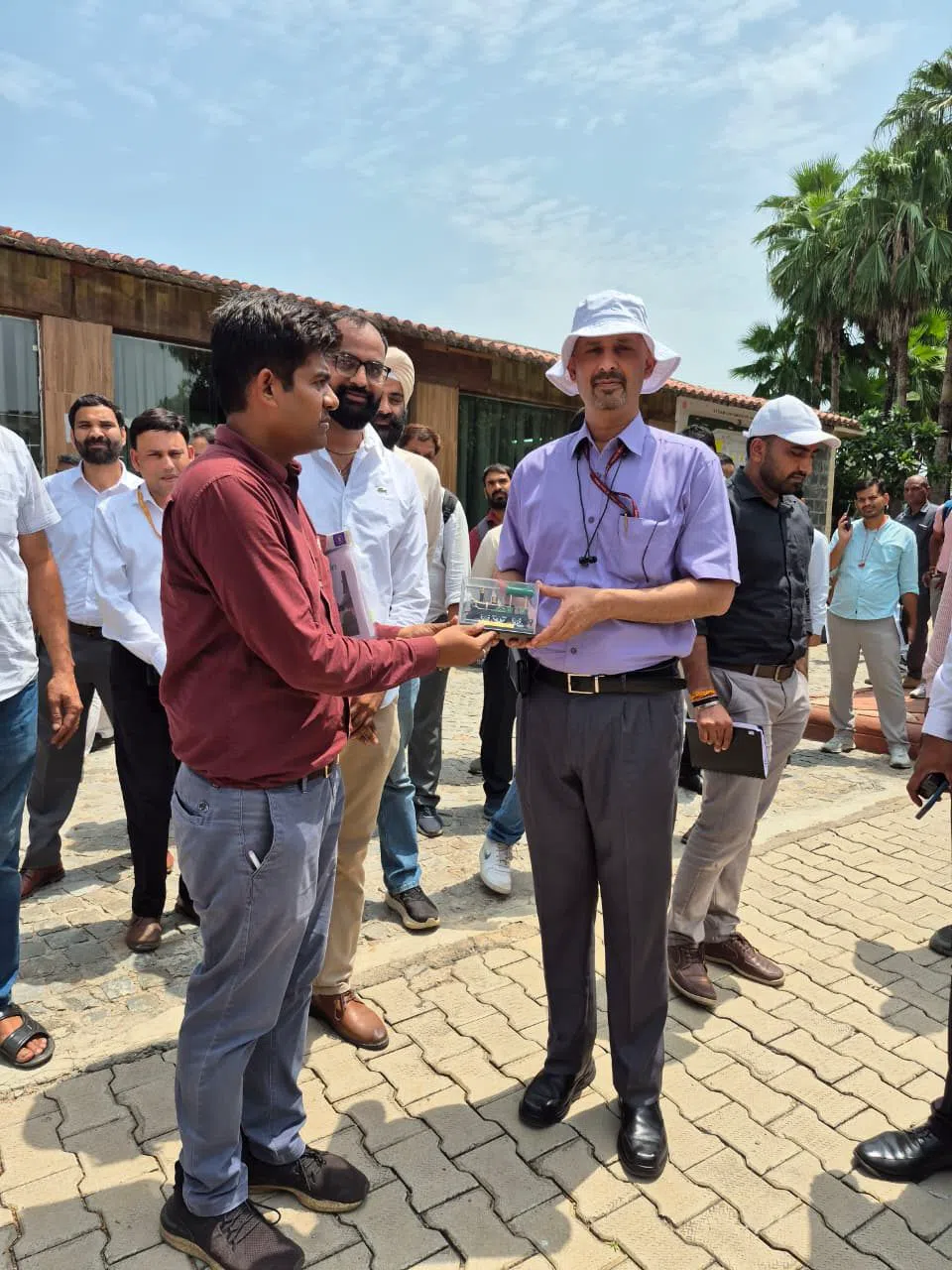
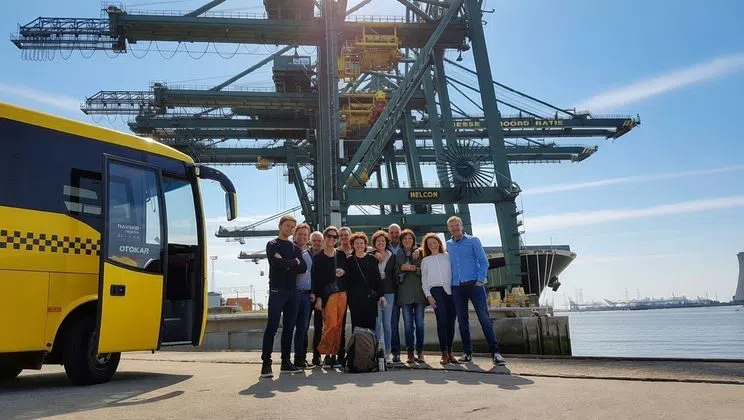
Entry is free. So is photography. There is no ticket office to queue at and no timed slot to miss, which in Delhi counts for something on its own. The shed opens Tuesday to Sunday, 09:00 to 16:00, closed Mondays and national holidays. The working day belongs to the railway rather than to you, though. Schedules shift at the shed's discretion, engines get pulled for maintenance or moved for a charter, so call ahead on +91 9416256887 rather than assume. If you are bringing a group, that call is not optional, and it is also your best move: ask, and a fitter will usually walk the party round, open the cabs and let people climb up into them. There is ample room for a coach to turn and park. Couples and solo travellers need nothing more than a phone call on the morning they set out.
Be realistic about the day. Transport out of Delhi and back is the only real cost, but it will eat most of the daylight, and a locomotive yard offers very little shade or shelter. Go in the cool months, carry more water than you think you need, and wear shoes you do not mind ruining. In return you get the one thing no static display manages: a man in overalls explaining a machine he personally keeps alive.
The railway line that cuts a Mughal fort in two
Salimgarh Fort (Old Delhi, reached on foot from inside the Red Fort complex) is where the abstract argument about what the railways did to Mughal Delhi becomes something you can stand on. The British drove their line straight through the fort, clipping the Red Fort to do it, and the bridge the railways were pressed into building carries you across the cut. You do not need an interpretation panel. You can see where the sixteenth-century brick stops and the nineteenth-century engineering starts, and the trains still go through.
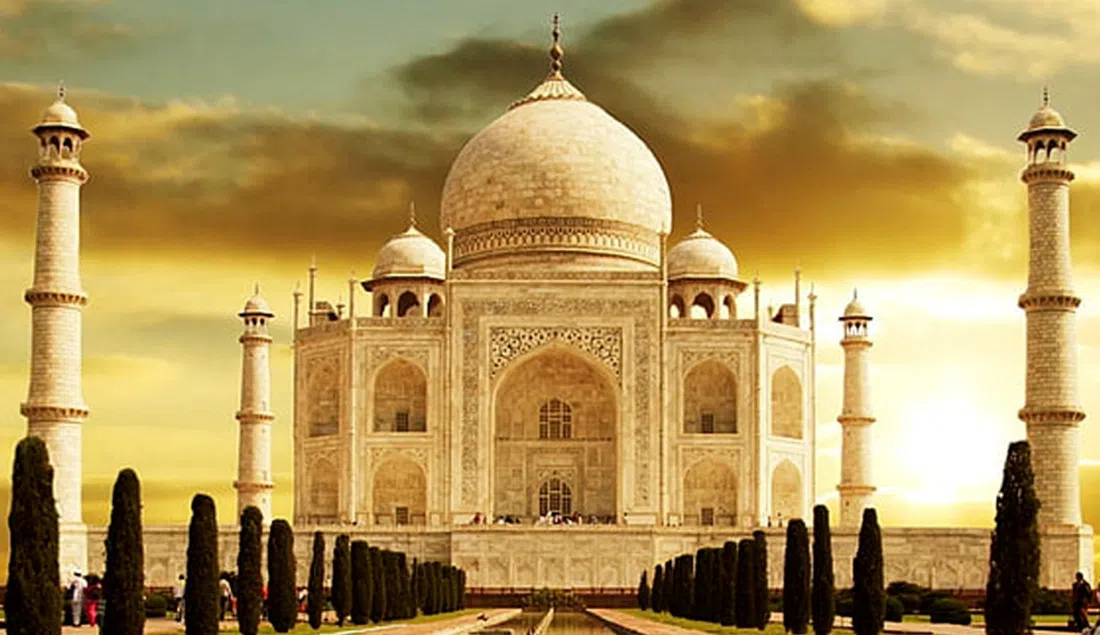
The fort itself is free and run by the Archaeological Survey of India, but you cannot reach it without a Red Fort ticket, ₹500 for foreign visitors and ₹35 for Indian nationals, and there is no vehicle access. Allow roughly twenty minutes' walk each way on top of whatever time you have given the Red Fort itself, and plan it as the first thing you do rather than the last, when legs and patience have gone. Opening hours run roughly 10:00 to 17:00, and it closes on Mondays along with the rest of the complex.
The site shuts entirely for about a month before Independence Day each August while preparations run, so an August itinerary needs checking before it is booked. Conservation work is also underway on some of the buildings, which means scaffolding, hoarding and a route that may be partly fenced off. Neither spoils the point of the visit, but it does mean you should not promise a group the full circuit.
This rewards a curious couple or a small, mobile group far more than a coach party. The walk is long enough and uneven enough that anyone with limited mobility, or anyone already wilting in the heat, is better served by an extra half hour in the shade of the main complex.
Behind the ticket gates at Patel Chowk
The Metro Museum, Patel Chowk (central New Delhi, inside the station itself) is the other half of the story, and the half almost no guidebook bothers with. Delhi lost its trams and then spent decades with suburban rail that could not carry the city it had become. The metro replaced both inside a single generation, and this is where that engineering is laid out: South Asia's first metro museum, built by the people who dug the tunnels.

It is small. Thirty to forty minutes is an honest estimate, and it works best as a bolt-on rather than a destination. Entry is ₹8, or free if you arrive from another metro station on a valid token or card, which is the sensible way to do it, because the museum sits beyond the ticket gates. Walking in off the street means buying your way through the barrier first. It closes on Mondays, like almost everything else on this trail; if you are building a rail-themed day in Delhi, do not make it a Monday.
A curator is on hand from 10:00 to 16:00 and will talk to groups, which beats reading the boards. There is no bookable group facility and no desk to email, and this is a live, busy station concourse rather than a visitor centre. Keep the party small, six or eight people rather than thirty, and go outside the morning and evening crush.
A corridor built for 160 km/h
Namo Bharat, the regional rapid-transit service running north-east out of Delhi, is what closes the itinerary. The 82 km corridor went fully live on 22 February 2026 and carried 100,000 riders on its first complete day. It is now the fastest rail service in the country, running at 160 km/h over country that one earlier generation opened up by driving iron through a Mughal fort.
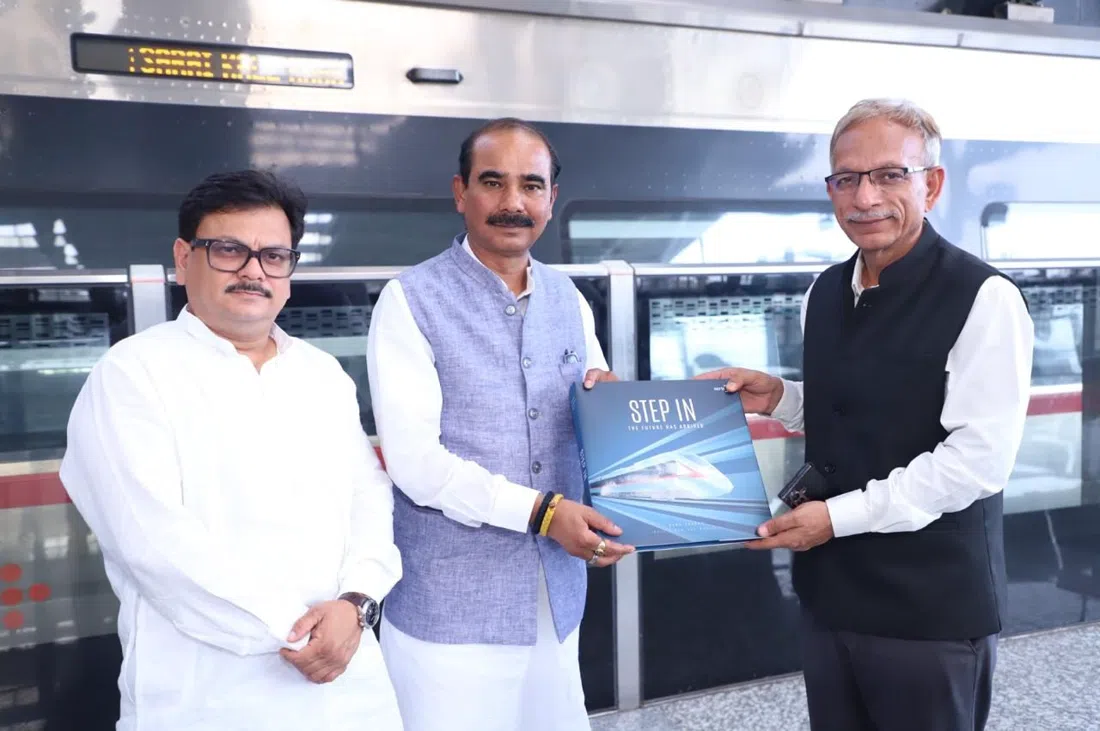
As an experience it is deliberately unromantic, and that is the pleasure of it: wide, quiet, air-conditioned coaches, platform screen doors, a ride so smooth that the speed readout is the only way you register what is happening. Fares run roughly ₹20 to ₹250 depending on how far you go and whether you take standard or premium class. Premium is worth the few extra rupees at peak if you want a guaranteed seat and a calmer coach; standard is perfectly comfortable the rest of the day.
For groups this is the easiest thing on the list by a wide margin. It is a walk-up public service with high frequency, enormous capacity and tickets issued on the spot, so you need no reservation, no minimum party size and no guide. Ride a few stops out, look at the view, ride back. An hour, maybe ninety minutes, and it costs less than a coffee.
Where the railway age put its guests
The railway did not just move people through Delhi; it decided where they slept, and two hotels still carry the evidence in their fabric.
Maidens Hotel (Civil Lines, north of the old city) was built for the dignitaries pouring in by train for the 1903 Durbar, in a quarter that had been filling with railway officials and mill managers since the 1890s. Lutyens lived here while he laid out New Delhi. It is a fifteen-minute walk from Old Delhi station, which is precisely why it exists, and the single best reason to base yourself here rather than in a Connaught Place tower: you wake up inside the geography this article is about. It is an Oberoi-group property now, with a proper meetings and events operation, banqueting lawns and coach access, which makes it one of the few genuinely historic places in the city that can absorb a tour group without strain. Rates sit at a firm four-to-five-star heritage level, and afternoon tea and the dining rooms are open to non-residents, so you can get the building without the tariff.
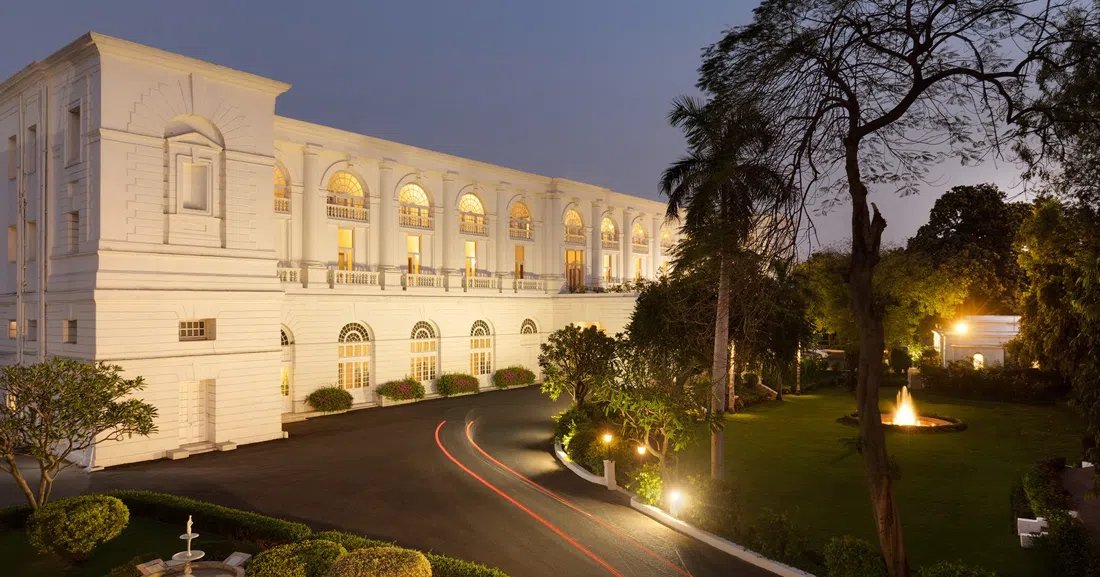
The Imperial, New Delhi (on Janpath, ten minutes' walk from the Metro Museum at Patel Chowk) is the other one. More than 5,500 colonial-era paintings, aquatints and lithographs, from the late seventeenth to the nineteenth century, hang along its public corridors. That is the best free gallery in the city for the visual culture the railway age produced: the surveys, the views, the romantic engravings that sold the idea of India to people who arrived on trains. The 1911 room is where Gandhi, Nehru, Jinnah and Mountbatten argued over Partition. Room rates are top-end luxury; tea, or a drink at 1911, is the affordable way in, and nobody will stop you walking the art corridors if you are dining there. Groups are handled through the hotel's banqueting and events side, usually via an operator, rather than by turning up in a block.

If you would rather compare rates and districts before committing, start with the Delhi hotel search and filter for Civil Lines if proximity to the old city matters to you.
A week on the Palace on Wheels
Palace on Wheels (boards at Safdarjung station, south-west New Delhi) is the train that invented Indian luxury rail tourism. In its 2026-27 season it is flagged off every Wednesday from September to April on a seven-night, eight-day loop through Rajasthan before returning to the capital. It does not run from May to August. October to March gives you both the best weather and the hardest cabins to get.
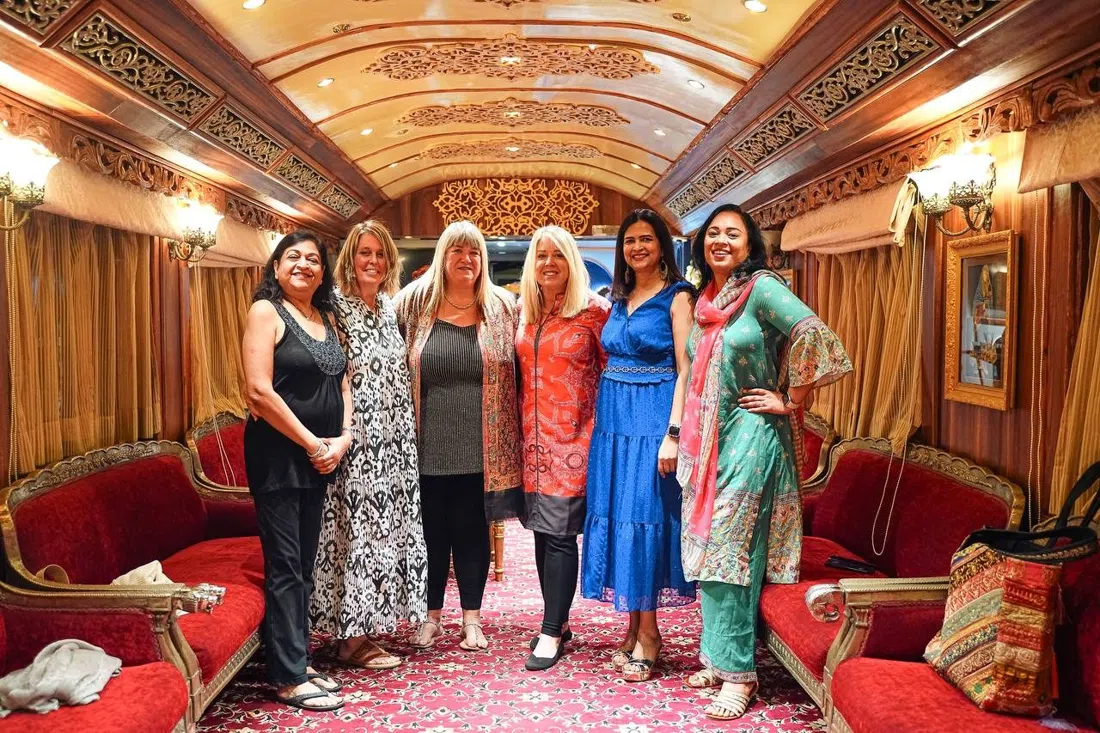
Be clear-eyed about what it is. It is a moving hotel with a fixed itinerary rather than transport, and the price reflects that: several thousand US dollars per person for the full circuit, varying by cabin grade and season. Whole-carriage and charter bookings are standard practice, and incentive groups and special-interest societies take it regularly, so if you are organising twelve or twenty people this is a more plausible proposition than it sounds. Cabins are limited and winter dates sell out months ahead, which means a January departure wants booking in the previous spring, not in December.
For a couple, the honest question is whether a week of fixed departures and coach excursions suits you better than arranging the same route independently. For a group with a budget and a theme, nothing else in India does the job.
Practical detail before you go
Mondays close Salimgarh Fort, the Metro Museum and the Rewari shed, so build the week around that. The cool season, roughly late October to early March, is the only comfortable window for the steam shed and for the walk out to Salimgarh; Delhi's summer makes both genuinely unpleasant, and August adds the Independence Day closure at the Red Fort complex. A workable three-day shape: a full day out to Rewari, a half-day for the Red Fort and Salimgarh with lunch or tea in Civil Lines, then a couple of hours pairing Patel Chowk with the art corridors on Janpath, and a Namo Bharat run whenever you have a spare ninety minutes.
The metro is the fastest and cheapest way across the centre, so buy a stored-value card on arrival; it also gets you into the Metro Museum without a separate ticket. Rewari needs road transport, or a scheduled train and a booked return. Do not assume you will find a ride back from a locomotive shed late in the afternoon.
Cards and UPI work everywhere in the hotels and at the larger ticket counters, but carry small notes. The Metro Museum's ₹8 and the ASI counters are easier with change, and the shed takes nothing at all.
The entire ground-level trail is close to free. Rewari costs you nothing but the journey, Salimgarh is included in a Red Fort ticket at ₹500 or ₹35, the Metro Museum is ₹8, and Namo Bharat tops out around ₹250. Tea at either hotel is the one discretionary spend worth making. Everything changes only if you add the Palace on Wheels, which is a different order of trip entirely.
For where this fits alongside the rest of the city, the food, the markets, the monuments you will inevitably also want, see the full Delhi guide.