Delhi-numret
Mehrauli, the Delhi neighbourhood built around the Qutb Minar
Mehrauli has one ticketed monument, more than a hundred free ruins, a working Sufi shrine and dinner tables with the Minar in view.
Av Bram VerhoevenA Dutchman reading Delhi one neighbourhood at a time
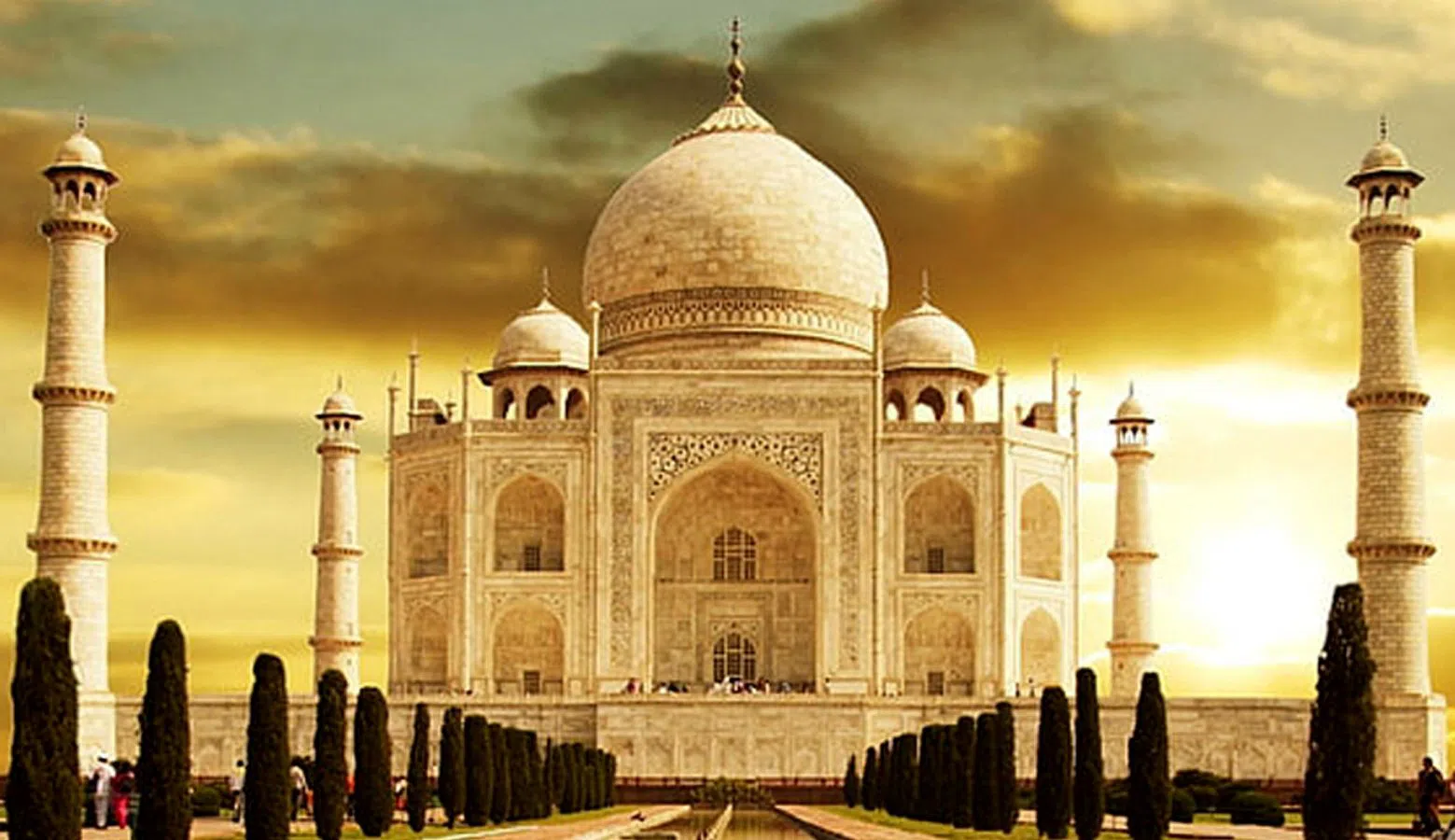
The Qutb Minar rises above Mehrauli in five fluted storeys of red and buff sandstone, 73 metres of Kufic calligraphy bands tapering to a point. An online ticket costs ₹35 for Indian visitors and ₹550 for foreign visitors, and it is the only monument in the neighbourhood you pay to enter.
The Qutb Minar complex
Qutb Minar Complex (Mehrauli) opens daily from sunrise to sunset, and the last entry is 4:30 p.m. Buy online to skip the counter queue. Paying cash at the gate costs ₹600, and under-15s go in free.
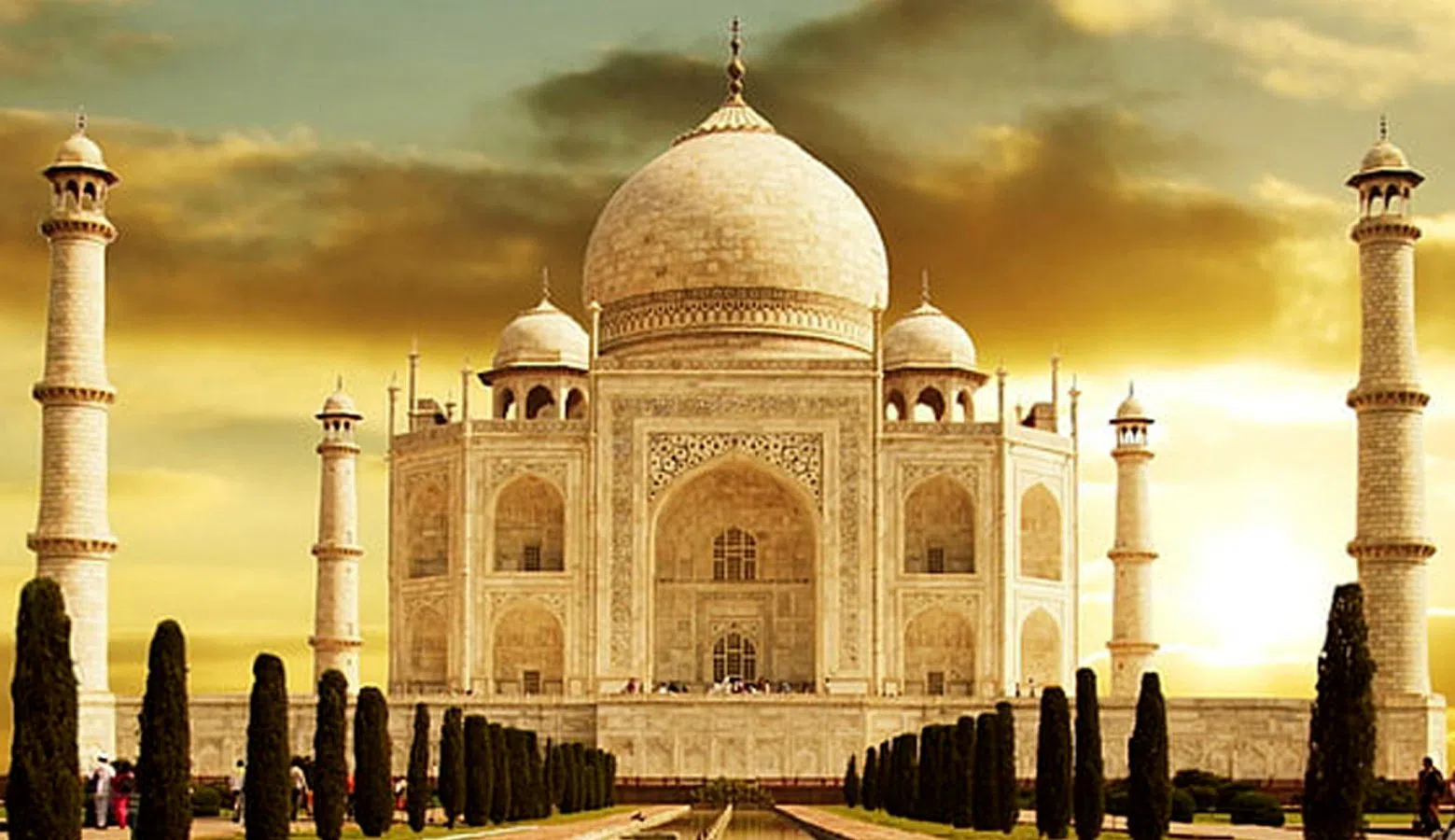
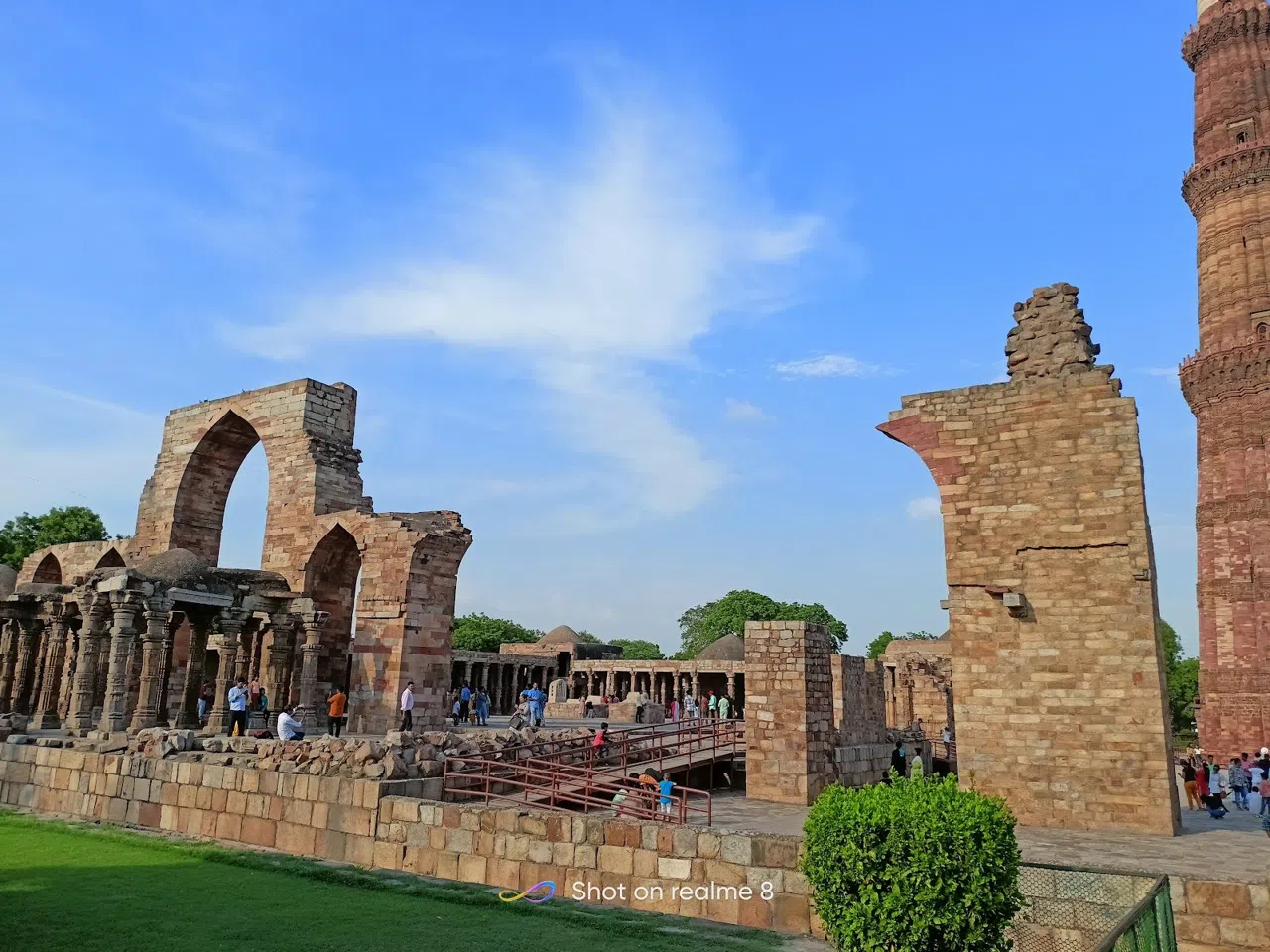
The minaret stands inside the arched screen of the Quwwat-ul-Islam mosque, with the 7-metre Iron Pillar in a sunken courtyard. Licensed ASI guides wait at the gate if you want the inscriptions read out. Mehrauli is on the tourist map because of this complex, and most visitors never walk past its boundary wall.
Planera din resa till Delhi
Aktuella priser från våra bokningspartner.
Gratis avbokning på många rum. Vi kan få provision när du bokar.
Mehrauli Archaeological Park
Mehrauli Archaeological Park is unfenced, free and open 6 a.m. to 5:30 p.m. More than 100 structures from Tomar, Sultanate, Mughal and British Delhi stand across 200 acres of dry Aravalli scrub and kikar trees, the ruins rising straight out of the grass.
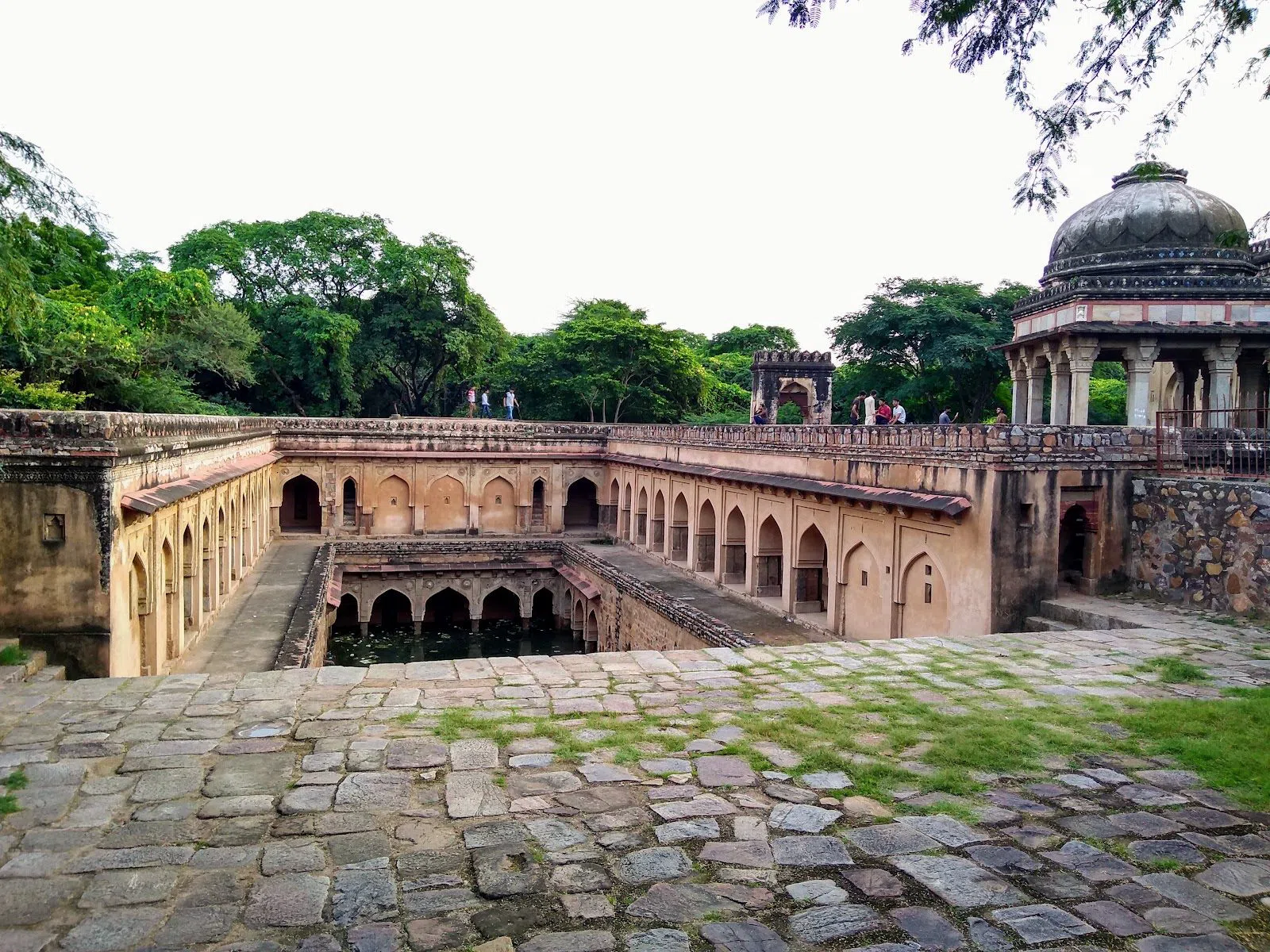
Start at the twin red-sandstone Jamali-Kamali mosque and tomb, then Balban's bare arched tomb chamber, then Rajon ki Baoli, a stepwell that drops four tiers into shadow. Metcalfe's white colonial folly dome sits further in. There is no water and no café inside the park, so carry a bottle, and wear real shoes.
DDA and INTACH run guided heritage walks here for ₹500 plus GST a head, capped at 40 people. Private walking parties are everywhere.
Zafar Mahal and the village lanes
Zafar Mahal (inside Mehrauli village) is the last building the Mughals ever put up. It is a free ASI monument, open 10 a.m. to 6 p.m. The Hathi Gate is tall enough for an elephant and howdah to pass under, and it opens onto a roofless marble-screened enclosure holding an empty grave plot left for Bahadur Shah Zafar, who commissioned it and then died in exile.
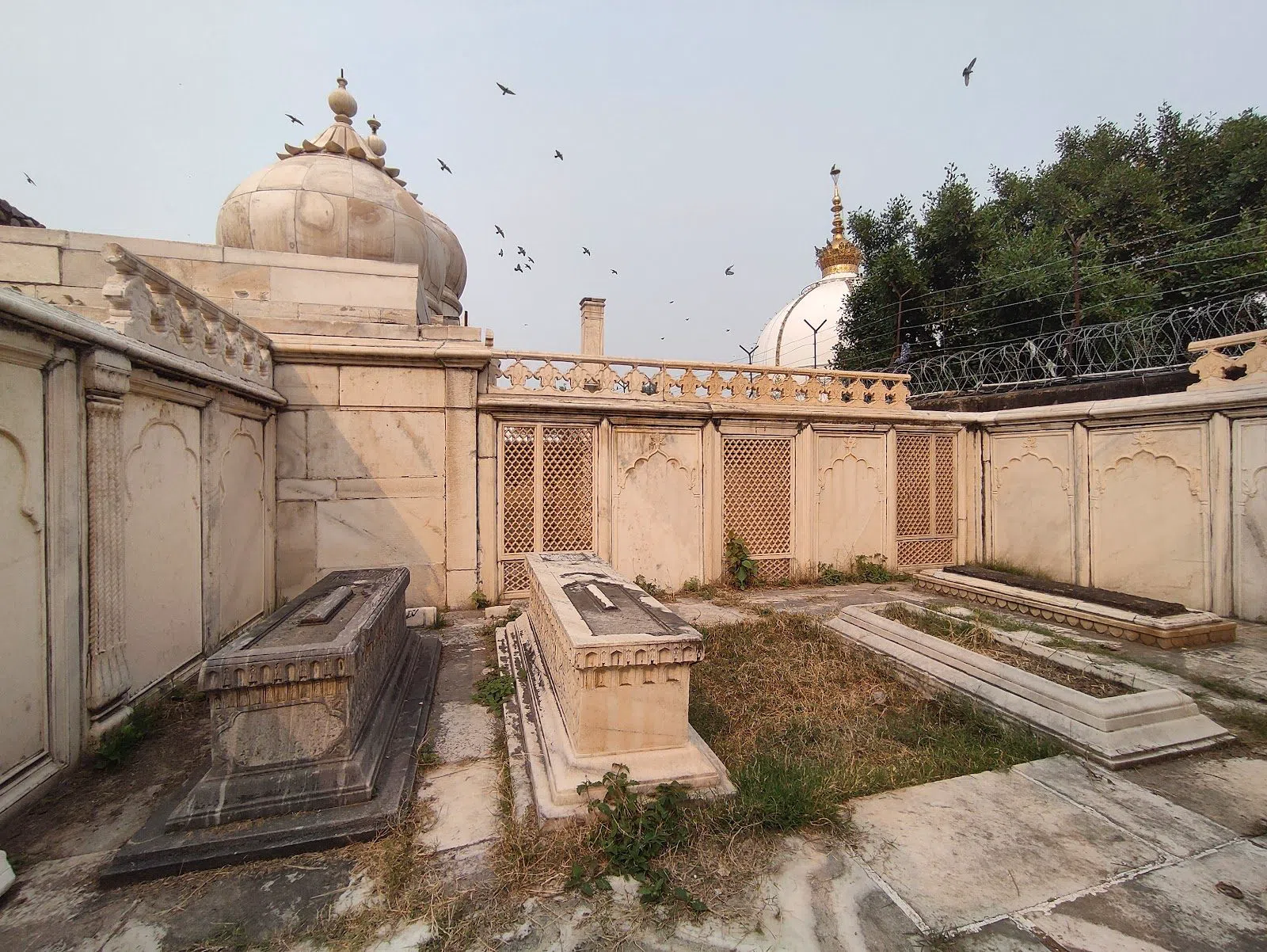
Houses of the village press right up against the walls. You will see graffiti, neglect and encroachment alongside the ASI conservation work. The approach lanes are narrow, and coaches park out on the main road.
The shrine and the temple
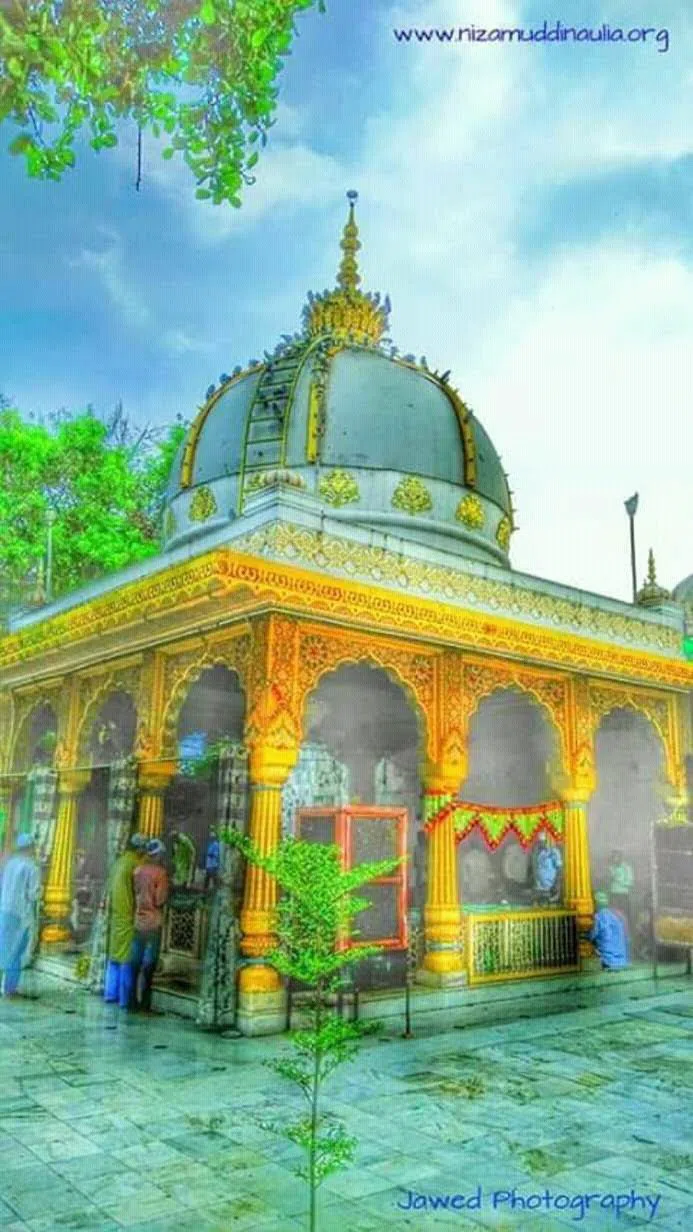
Dargah of Hazrat Qutbuddin Bakhtiar Kaki (Mehrauli village) is a working Sufi shrine and a place of worship before it is a sight. Entry is free. Cover your head, take your shoes off and dress modestly. The inner grave chamber is men-only. Thursday evening qawwali is the busiest slot of the week, and a flower-and-chadar offering runs ₹50 to ₹200.
The courtyard is marble-floored and screened in carved white jali, open to the sky, with Mughal royal graves and the Moti Masjid crowded around it. The saint's grave is heaped with rose petals and green-gold chadars. People have lived in Mehrauli continuously for 800 years because of this shrine, and it is where the Phool Walon Ki Sair flower-fan procession ends after the monsoon.
Yogmaya Temple is down a village lane a short way off, white and marble-faced, with a silver-canopied black stone idol in a sunken sanctum and marigold strings at the door. It is claimed as one of Delhi's five Mahabharata-era temples, which would put the village here long before any sultan built on it. It supplies the Hindu half of the same flower procession.
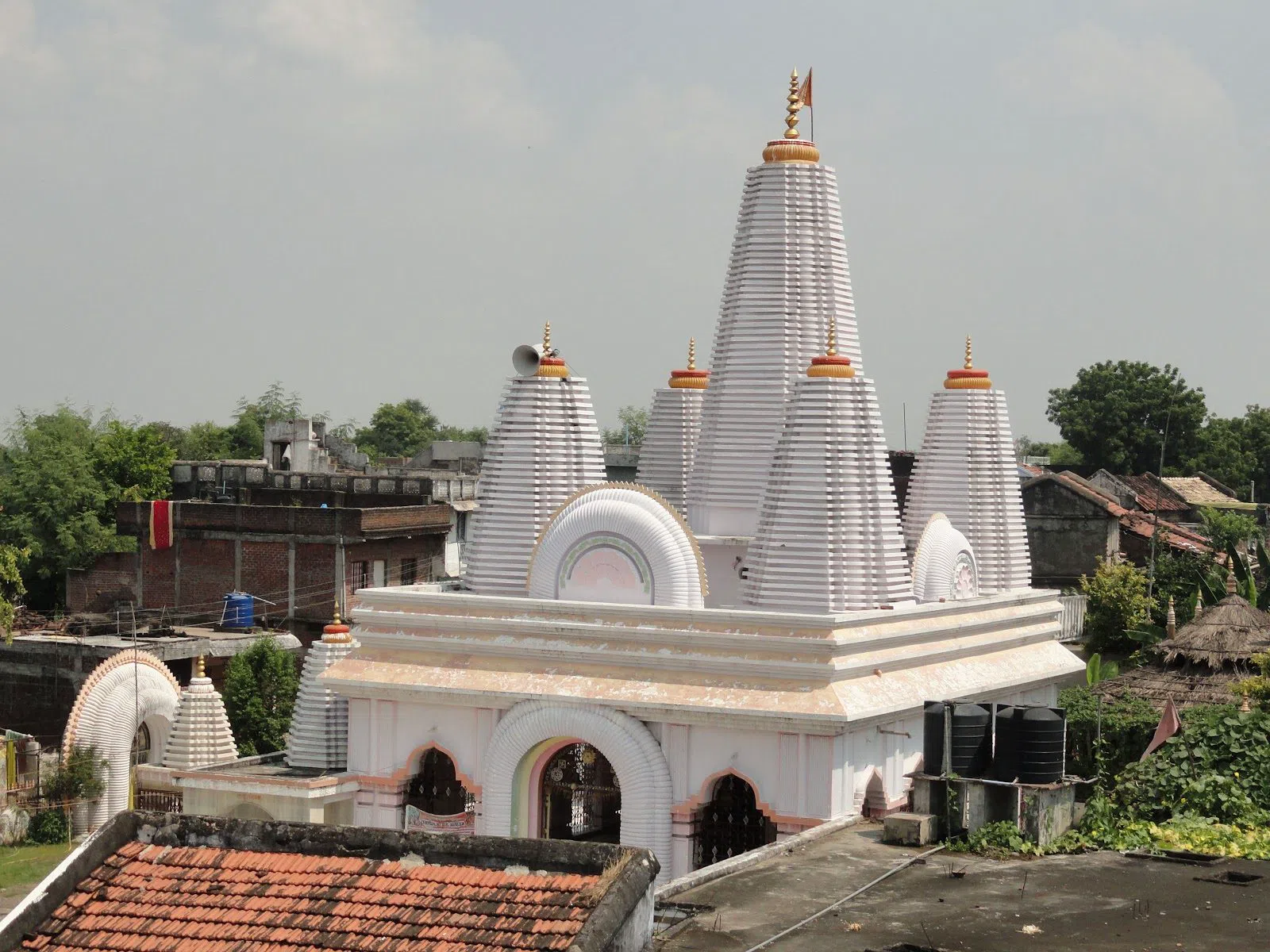
The temple opens 5 a.m. to 8 p.m., all 365 days, with aarti at 5:30 a.m. and 8 p.m. Shoes come off at the step. The sanctum holds two or three people at a time, so visitors file through in pairs.
Adham Khan's tomb and the stepwell
Adham Khan's Tomb (above the Mehrauli bus terminus) is squat, octagonal and built of grey and red rubble under a flat dome, with a wide verandah of pointed arches. Dark passages run inside the thickness of the walls, and the nickname Bhul Bhulaiyan, the labyrinth, comes from them. Akbar's foster-brother was thrown off a palace roof for murder and buried here.
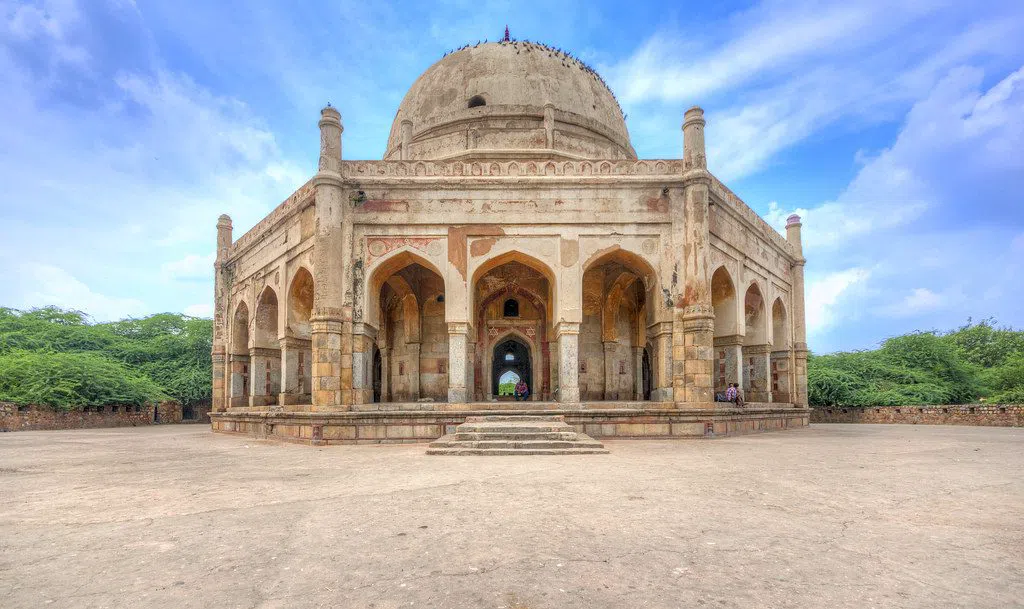
Entry is free and nobody staffs it. Expect no facilities at all, and tread carefully, because the fabric is fragile. Gandhak ki Baoli, Delhi's oldest surviving stepwell, is five minutes' walk downhill. Both are visibly short of conservation money.
Hauz-i-Shamsi and Jahaz Mahal
Iltutmish dug the Jahaz Mahal & Hauz-i-Shamsi tank in 1230 to water Mehrauli, and it still does that job. A community restoration partnership with the ASI pulled the reservoir back from being a rubbish-choked pond.
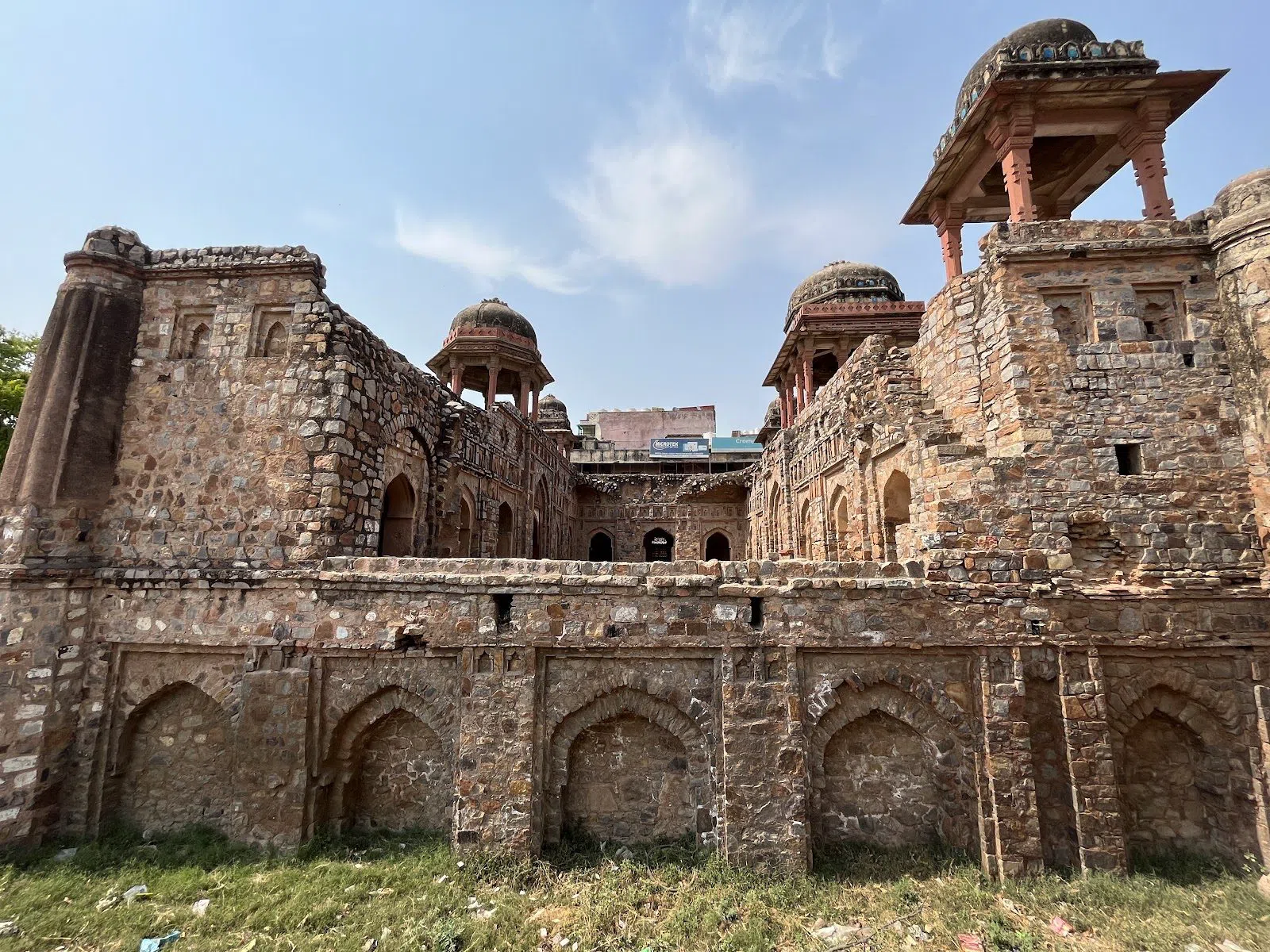
The pavilion is a square Lodi-era pleasure building with blue-tiled chhatris and deep arched recesses, set at the edge of the stone-embanked 13th-century water. Its reflection is why locals called it the ship palace. Both the tank and the pavilion are free and open-air, and the interior is small enough that most people end up out on the embankment. The Phool Walon Ki Sair festivities centre on this spot.
Walking Sanjay Van
Sanjay Van covers 800 acres of dense dry Aravalli forest on the edge of the neighbourhood, open 6 a.m. to 8 p.m. Dusty orange trails run under kikar and neem, and the broken rubble ramparts of the 11th-century Lal Kot fort emerge among the trees. Peacocks and nilgai come out at dawn.
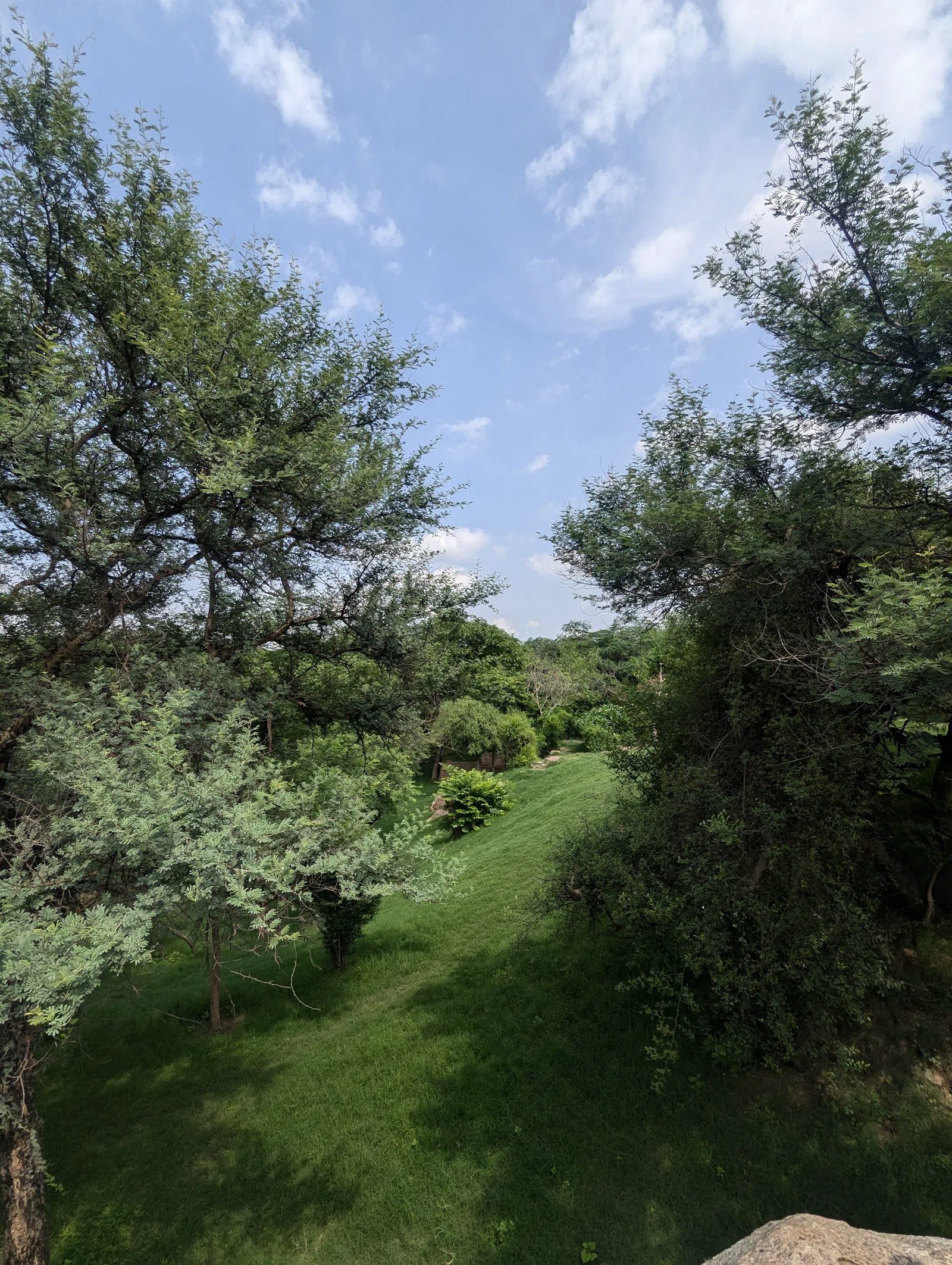
Seven gates lead in. Gate 3, off Mehrauli-Mahipalpur Road, is the one the DDA and INTACH walks use. Go in company and in daylight, because the forest is genuinely wild and poorly lit. Walking here is comfortable from October to March.
Ahinsa Sthal and Sanskriti Kendra
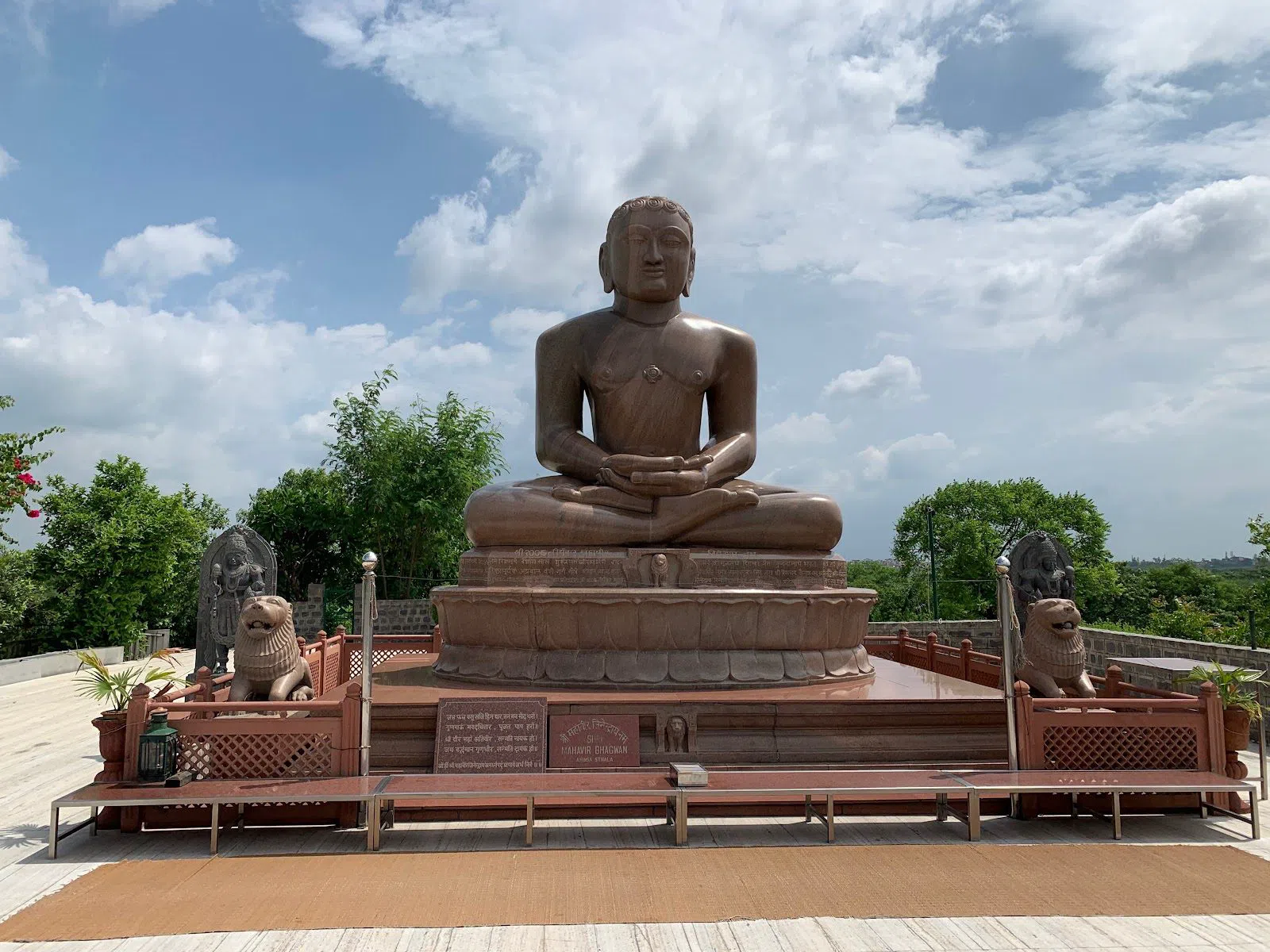
Ahinsa Sthal is a modern Digambar Jain complex minutes from the Qutb that the tour buses skip. A 13.5 ft, 30-tonne seated Mahavira in pink Karkala granite sits in lotus posture on an open hillock terrace, inscribed verses along the low walls, the Qutb Minar visible over the trees behind. Entry is free, roughly 6 a.m. to dusk. No leather, and shoes off on the terrace. Twenty to 30 minutes covers it.
Sanskriti Museums (Sanskriti Kendra, Anandgram) on Mehrauli-Gurgaon Road holds three collections in one garden: Everyday Art, Indian Terracotta and Textiles. Low stone-and-brick pavilions stand in landscaped grounds, with terracotta horses and village deities set out among the trees, and galleries of combs, nutcrackers, hand-block textiles and everyday metal objects.
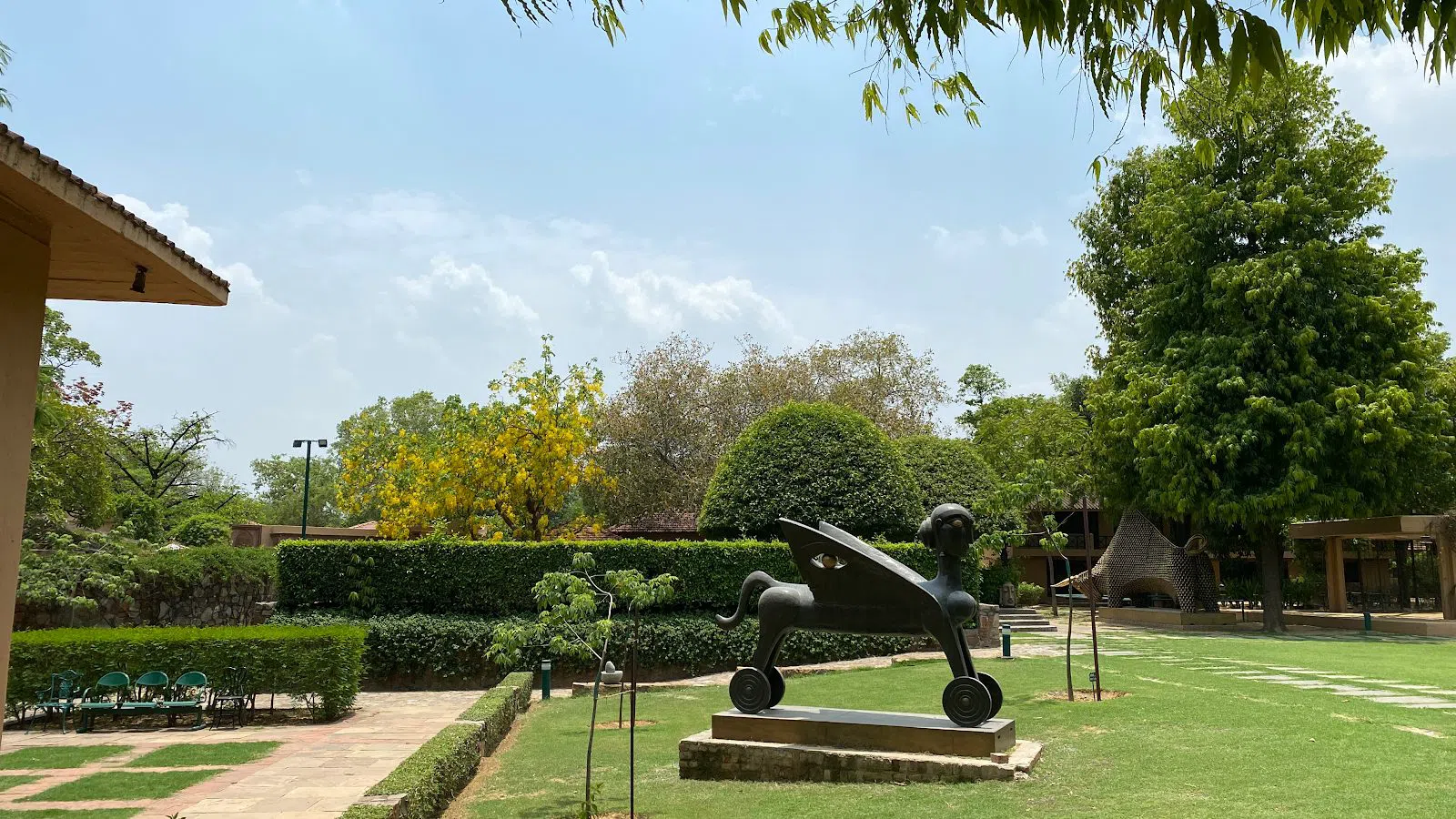
Entry is free, Tuesday to Sunday, 10 a.m. to 5 p.m., closed Mondays. Come here when the midday sun has ended the monument walking.
Art and dinner at 1AQ
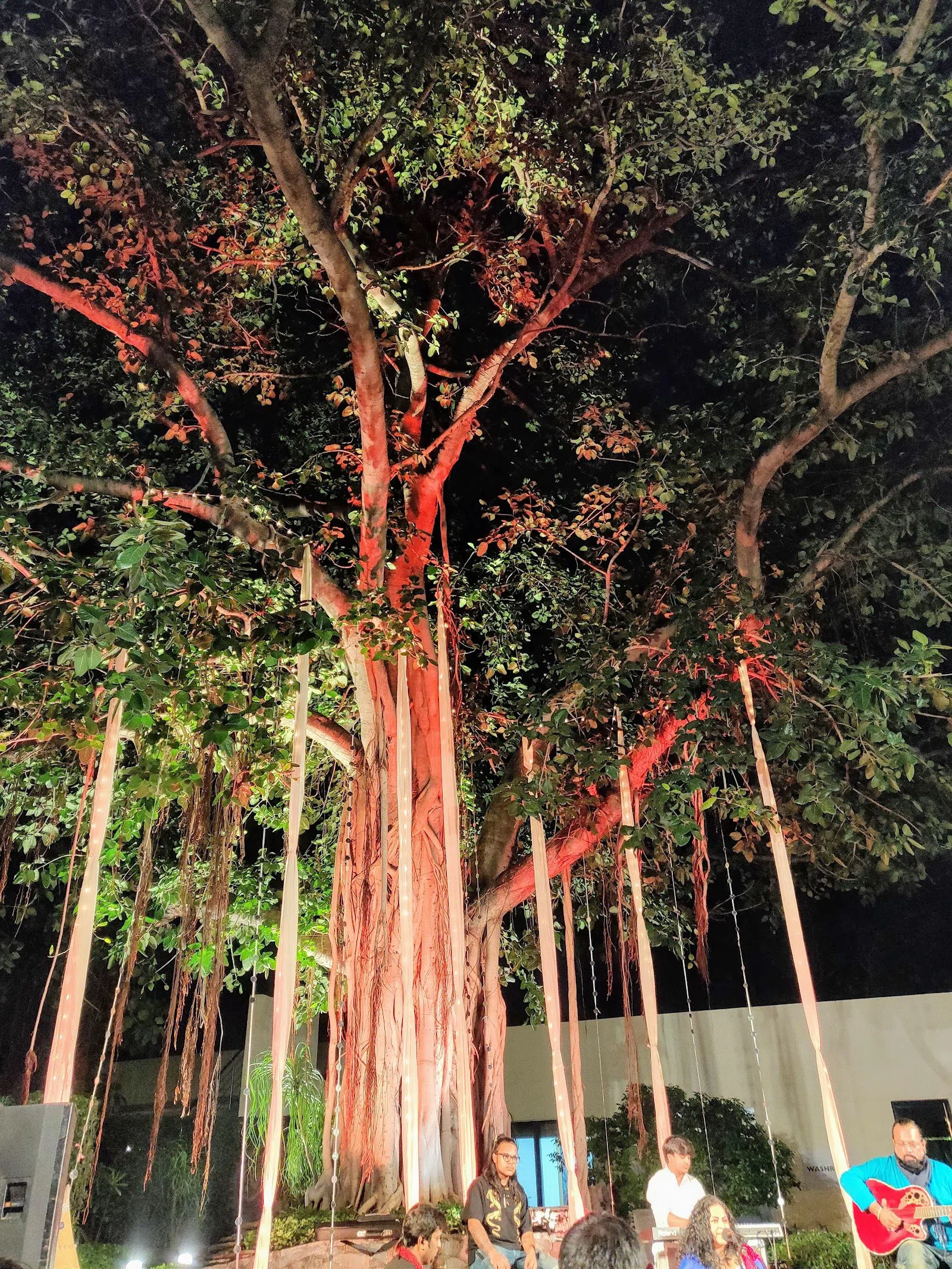
1AQ (Mehrauli) is Anubhav Nath's gallery, and most of what happens culturally in the modern neighbourhood happens here. The 3,000 sq ft white cube opens onto manicured lawns and a 500-year-old banyan, with Ojas Art's contemporary and Gond tribal canvases on the walls and art books and design objects in the shop at the back. Admission is free, Tuesday to Sunday, 11 a.m. to 7 p.m. Shows rotate every few weeks, and openings and performances fill the garden.
Zetu sits in the same walled garden and opened in June 2026 as Delhi's first proper Sri Lankan restaurant. Hoppers arrive in stacked bowls, alongside lamprais and a deconstructed parippu. The 175-cover al fresco deck wraps around the banyan, and the indoor room is hung with Sri Lankan handloom textiles and island art. ₹₹₹₹, ₹4,000 for two. Book for weekend evenings.
Dinner with the Minar in view
Olive Bar & Kitchen (Olive Qutub) has held the same restored Mughal haveli for nearly two decades. The courtyard is white-pebbled under a huge spreading banyan strung with bulbs, blue-and-white tiles and bougainvillaea along the walls, the Qutb Minar floodlit above them. Go for the courtyard and the view. Open daily 12:30 p.m. to 12:30 a.m., ₹₹₹₹, ₹5,000 for two. Book ahead, because the courtyard tables and Sunday brunch go first.
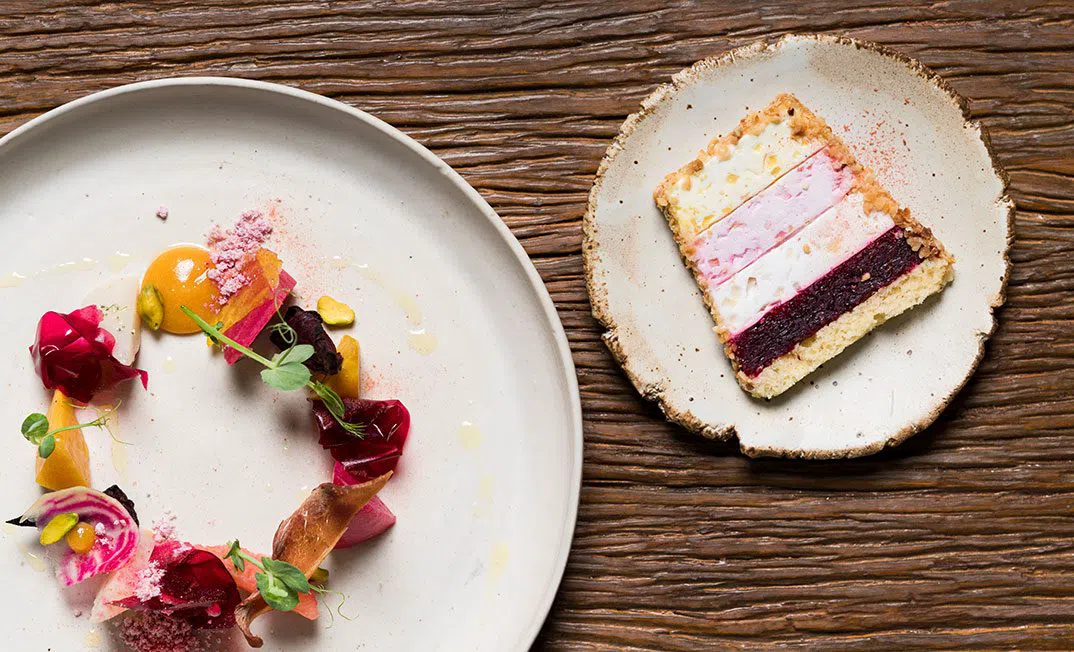
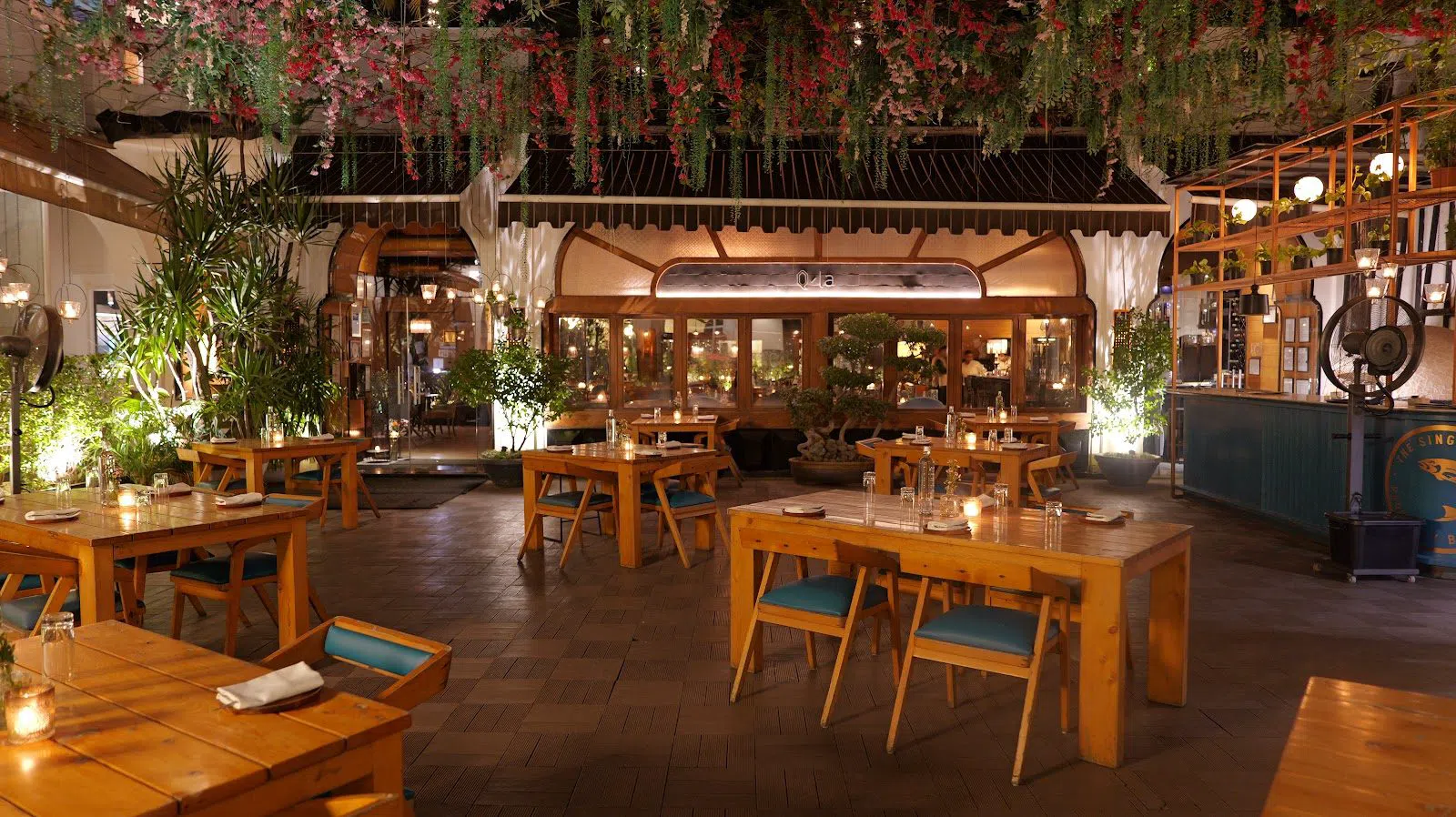
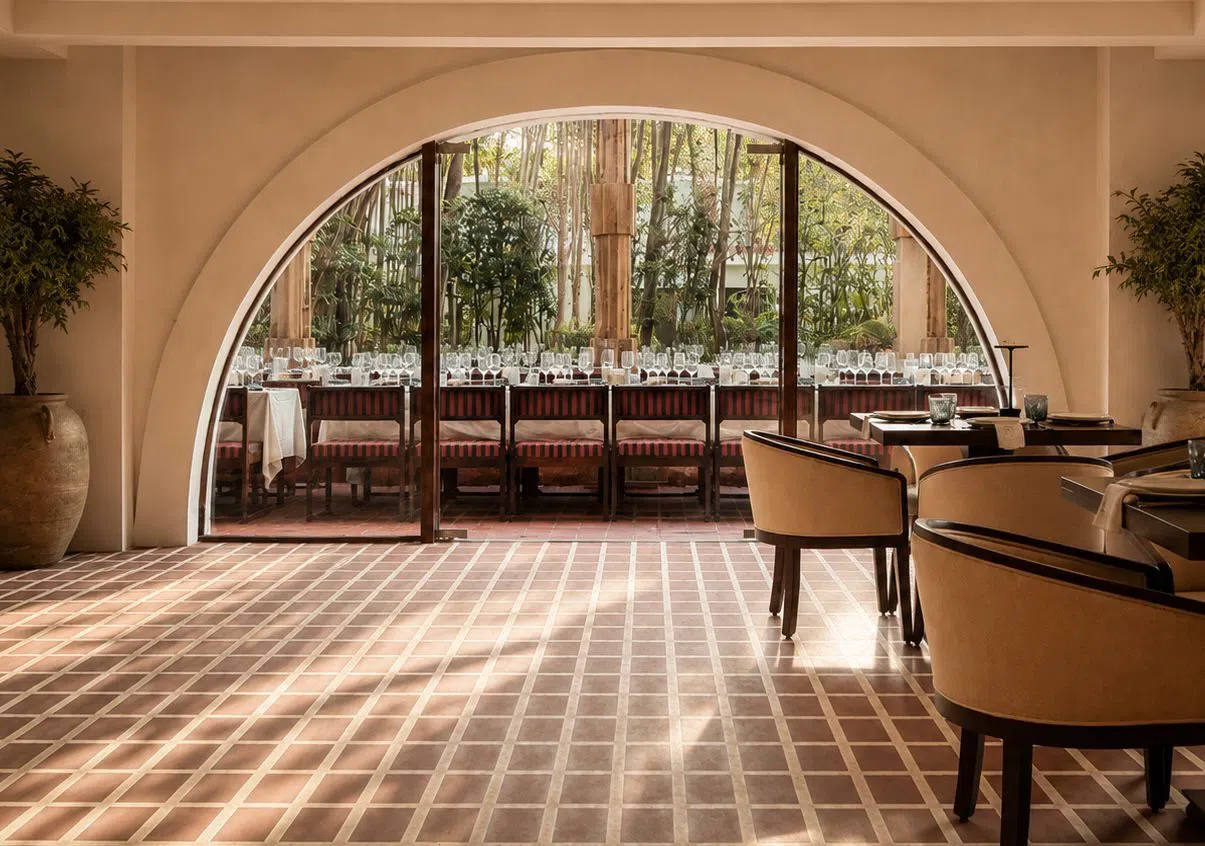
Qla occupies a colonial bungalow in Seven Style Mile: chequerboard floors, antique mirrors, chandeliers, and a candlelit terrace pointed straight at the lit minaret. Open Tuesday to Sunday, noon to 1 a.m., closed Mondays. ₹₹₹, ₹3,200 for two. Reserve, and ask about the upstairs rooms if you want private dining.
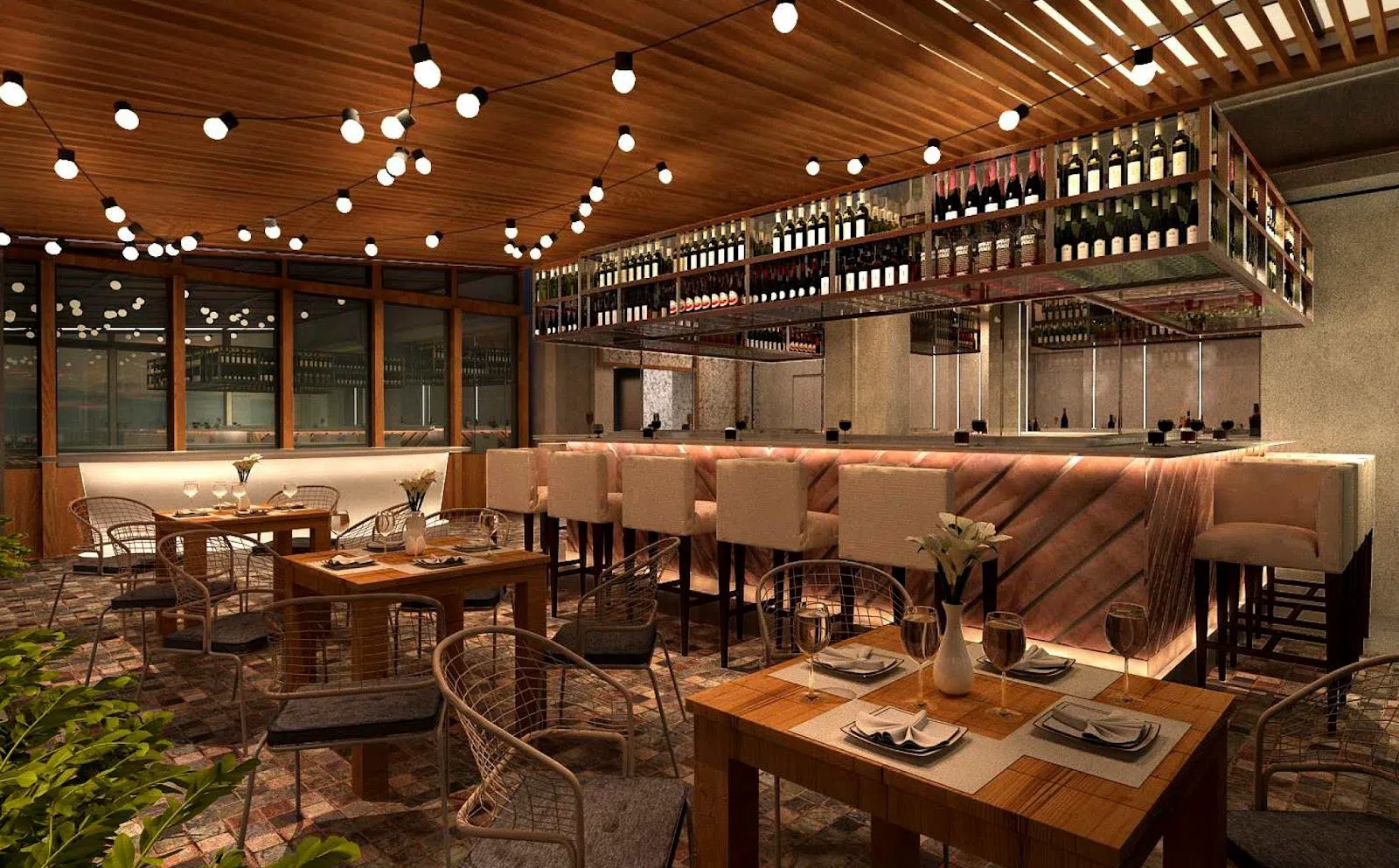
Bo Tai is the rooftop at the Ambawatta One complex, pink and green under striped awnings, rattan and palms around the tables, cocktails served in smoked glassware, the Minar rising over the terrace railing. The food is upscale Thai and the bar programme is the draw. Open daily 12:30 p.m. to 1 a.m., ₹₹₹, ₹3,000 for two. Walk-ins are tight at weekends, so book.
Where to stay
The Tivoli-New Delhi on Chattarpur Mandir Road is the closest full-service hotel to the monuments, 2.5 km from the Qutb Minar. Behind a colonnaded cream facade and formal lawns sit 130 rooms around landscaped gardens and a pool, with Aravalli scrub beyond the boundary. ₹₹₹, ₹7,000 to ₹12,000 a night.
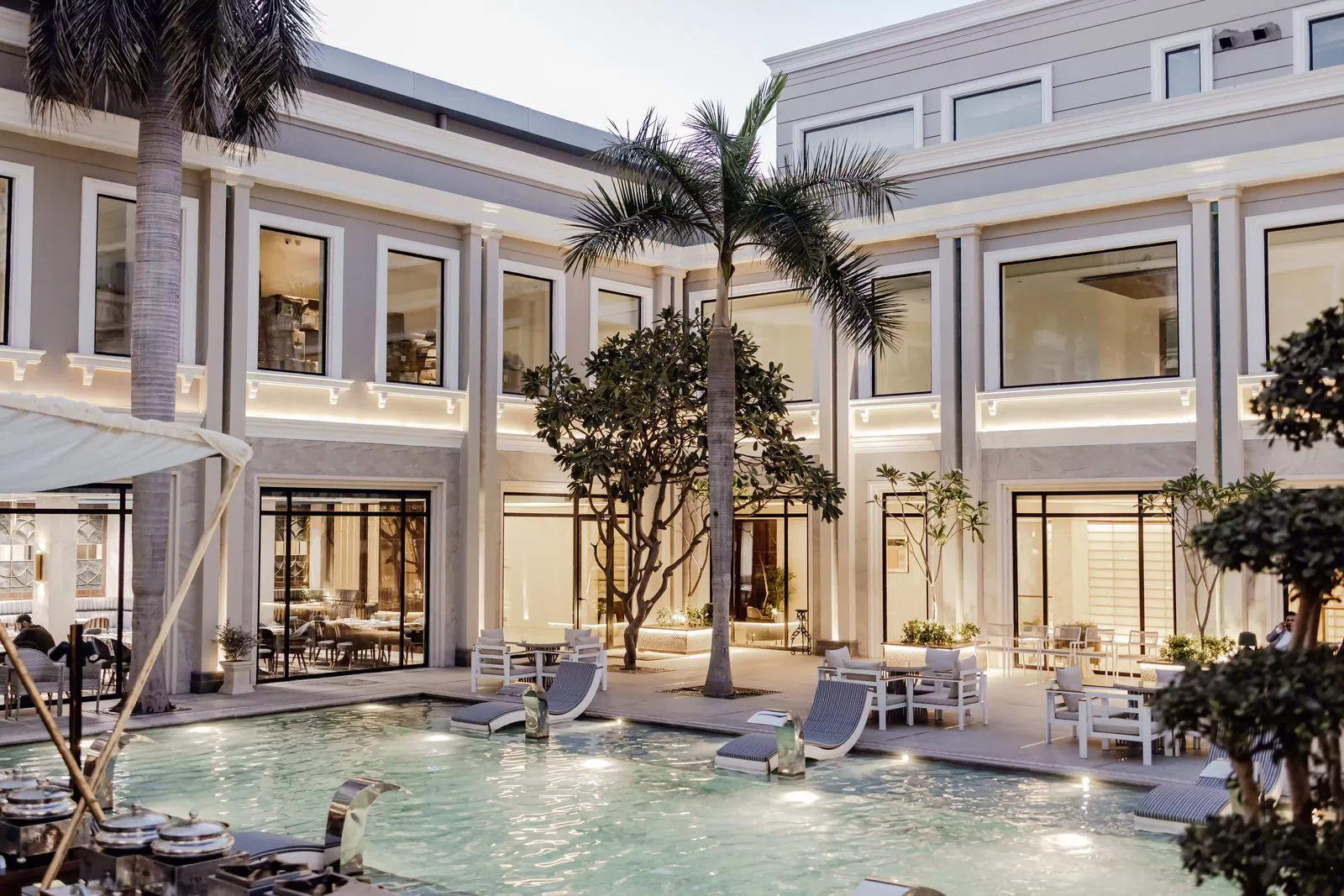
It is a banquet-led property with four event spaces, four dining venues and single rooms that seat up to 1,000 guests, so it works as a base for a group travelling together, and you should expect weddings. Hilton Garden Inn Saket and Sheraton Hauz Khas are the quieter options, 3 to 4 km out.
Hours, tickets and booking
Qla and Sanskriti Kendra close on Mondays, and the park, the forest and the village monuments all shut well before dinner. Book the Qutb ticket online, and reserve a table at Olive, Qla, Bo Tai or Zetu before you walk up to the door.
See the Delhi guide and the Delhi hotel search.
Innan du åker
How much does the Qutb Minar cost, and should I book online?
An online ticket is ₹35 for Indian visitors and ₹550 for foreign visitors. Cash at the gate costs ₹600, and under-15s go free. Booking online saves you the counter queue. The complex is open daily from sunrise to sunset, with last entry at 4:30 p.m.
Is Mehrauli Archaeological Park free, and when is it open?
It is unfenced and free, open 6 a.m. to 5:30 p.m. More than 100 structures stand across 200 acres, among them Jamali-Kamali, Balban's tomb, Rajon ki Baoli and Metcalfe's folly. There is no water and no café inside, so carry a bottle and wear real shoes.
Can women visit the Dargah of Hazrat Qutbuddin Bakhtiar Kaki?
Anyone can go in, free, as long as you cover your head, take your shoes off and dress modestly. The inner grave chamber is open to men only. Thursday evening qawwali draws the biggest crowd, and a flower and chadar offering costs ₹50 to ₹200.
Is Sanjay Van safe to walk?
It is open 6 a.m. to 8 p.m. and free, but the forest is genuinely wild and poorly lit, so go with company and in daylight. Gate 3 off Mehrauli-Mahipalpur Road is the entrance the DDA and INTACH guided walks use, and those walks cost ₹500 plus GST a head.
Where can you eat in Mehrauli with a view of the Qutb Minar?
Olive Qutub's haveli courtyard faces the floodlit minaret and is open 12:30 p.m. to 12:30 a.m. daily. Qla's candlelit terrace looks straight at it, Tuesday to Sunday. Bo Tai, on the rooftop at Ambawatta One, puts the Minar just over the railing and runs until 1 a.m. All three take bookings.