The Delhi issue
The Delhi Dichotomy: Navigating the City's Two Souls in a Single Day
One honest, hour-by-hour route through Old Delhi's roar and New Delhi's calm — the monuments, the langar, the mutton korma and the metro stops that make both halves work in a day.
By Bram VerhoevenA Dutchman reading Delhi one neighbourhood at a time
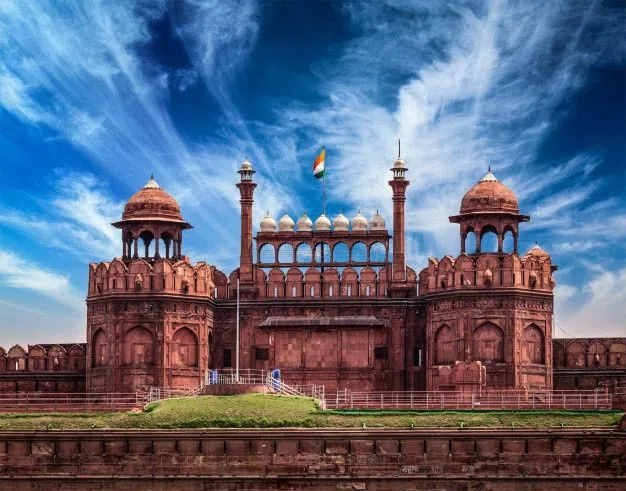
Delhi does not resolve into a single picture, and first-time visitors from the UK often arrive expecting that it should. In one morning you can be pressed shoulder to shoulder in a lane barely wider than a doorway, breathing chilli dust and diesel; by mid-afternoon you can be walking a manicured Mughal garden in something close to silence. Neither is the "real" Delhi and both are — this is a day built to hold the two souls at once, without flattening either into a postcard.
Before anything else, a word on timing that shapes everything below: several of the best stops close on Mondays — the fort, the two temples of modern Delhi, the tomb's museum — so do not attempt this itinerary on a Monday. Get that right and the rest is just a question of pacing. If you want the wider picture of neighbourhoods and seasons, the Delhi guide is the companion to this single-day route.
The Old Delhi soul: begin at the walls
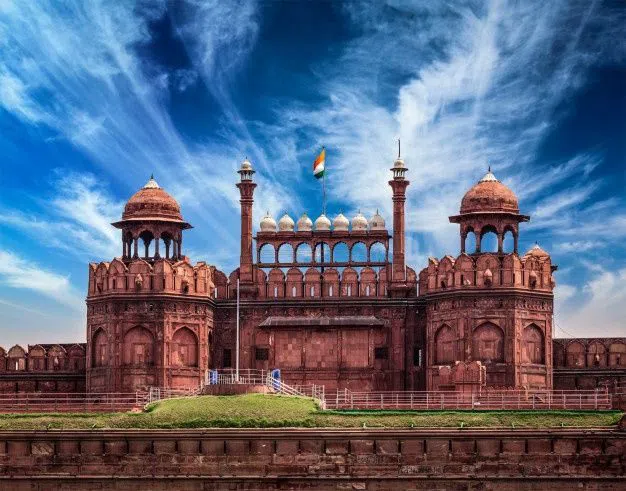
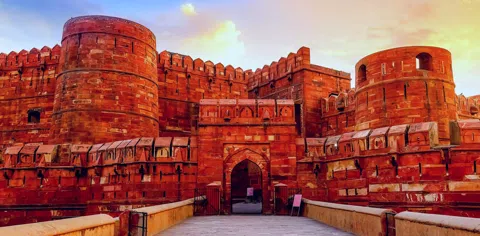
Start early, because Old Delhi is a morning creature. Red Fort (Lal Qila), in Old Delhi, is the anchor of the whole quarter — the vast red-sandstone Mughal fort that gives the district its shape and its swagger. It is a ticketed UNESCO monument that comfortably absorbs coaches and large groups, but it is also closed on Mondays, bakes by late morning and is mobbed by midday, so aim to be at the gate for opening. Buy the foreign-tourist ticket online in advance (around ₹550, roughly £5; free for under-15s) and you walk past the cash queue entirely. Give it a genuine hour or more — the scale only lands when you are inside the ramparts, not photographing them from the road.
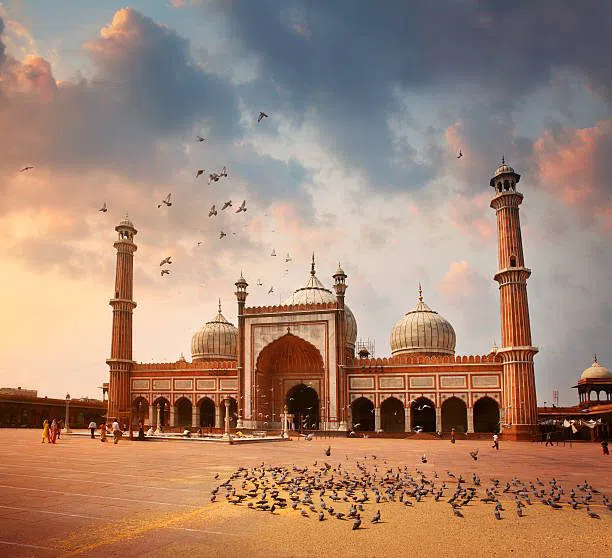
From the fort it is a short walk to Jama Masjid, also in Old Delhi and free to enter — India's largest mosque, and the single best vantage point over the old city. Visitors and groups are welcomed outside prayer times, but modest dress is enforced (robes rent for about ₹50) and shoes come off at the threshold; photography and the minaret climb carry small extra fees. Climb the southern minaret for the classic rooftop-over-Old-Delhi shot, and plan your visit around Friday prayers, when the courtyard belongs to worshippers rather than sightseers. A practical note for couples and solo travellers: the minaret stair is narrow and, at busy times, women may be asked to climb accompanied — worth knowing before you queue.
Plan your Delhi trip
Live prices from our booking partners.
Free cancellation on many rooms. We may earn a commission when you book.
Into the lanes: rickshaws, spice and a 110-year-old kitchen
The roar starts properly once you leave the monuments. A ride on Chandni Chowk (cycle-rickshaw ride), threaded through the gullies of Old Delhi, is the most photogenic thing on the entire day and the most quintessentially group-friendly — rickshaw-wallahs and tour desks run pairs of pedicabs in convoy, so a party of four or six can move together through lanes no coach could ever enter. A short circuit runs around ₹300–500 (£3–5). Agree the fare and the route before you sit down; the point is not to get anywhere fast but to be moved slowly through the chaos while someone else negotiates it.

At the western end of Chandni Chowk sits Khari Baoli Spice Market, Asia's largest, a public wholesale street that is free to wander and that guided heritage walks routinely pass through. Fair warning, because it is half the experience: the airborne chilli genuinely makes you sneeze — eyes streaming, the lot. It is not a place to linger for hours, but ten minutes among the sacks of dried red chillies and cardamom tells you more about how this city actually feeds itself than any museum case.

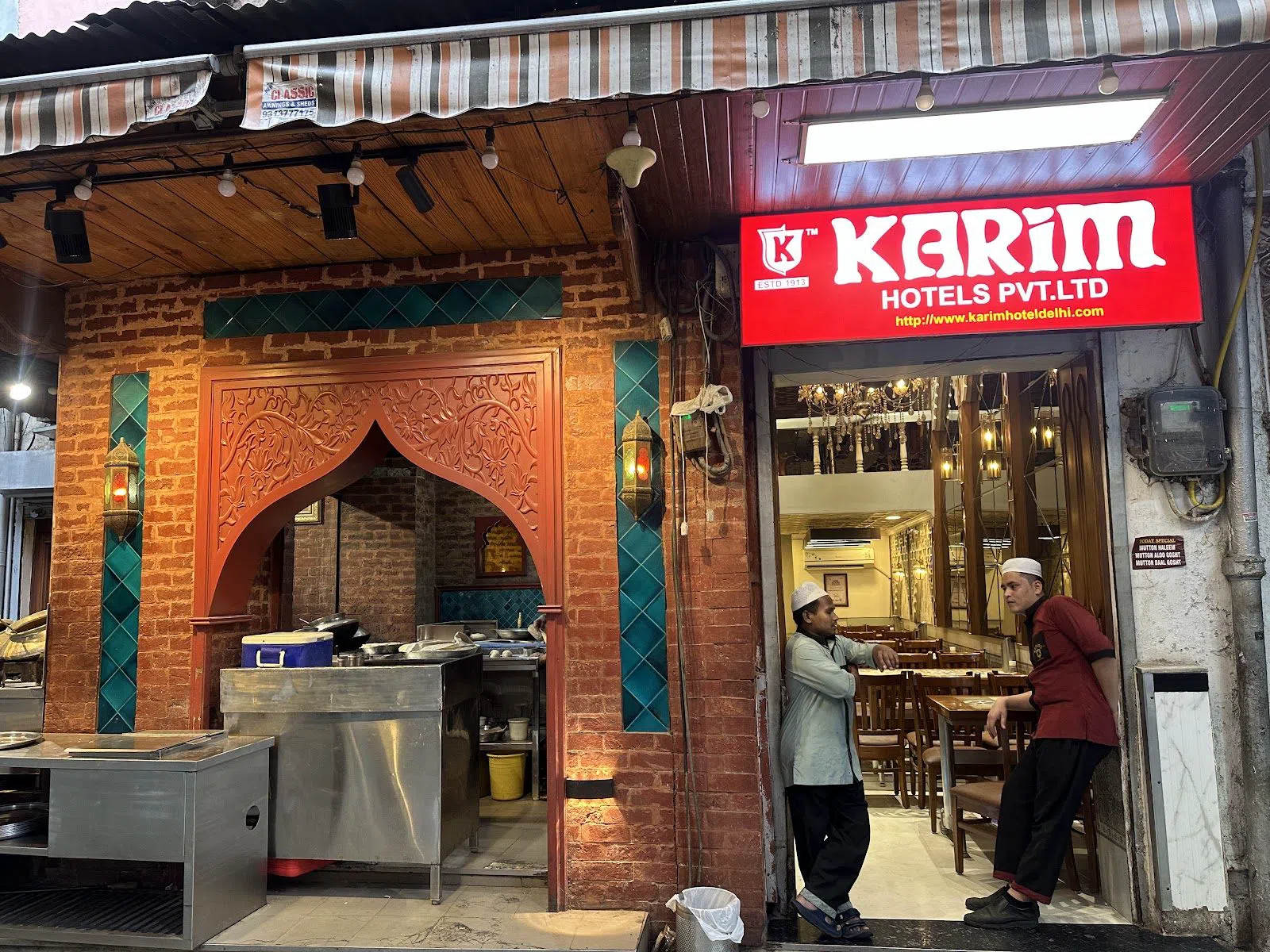
By now you will have earned lunch, and this is where Old Delhi rewards you. Karim's (Jama Masjid), the 110-year-old Mughlai institution beside the mosque, is the order — the original branch, not the many imitators trading on the name across the city. It takes no bookings and runs on communal seating; large groups are seated in shifts and there can be a real wait at peak, so arrive off-peak (early or mid-afternoon) if you are more than two. The mutton burra and mutton korma are what to have. Honestly, for couples it is easy — you slot into a shared table and eat well within twenty minutes; for a group of six-plus it takes patience and a willingness to be split across benches.

If the very idea of street food is what has been putting you off Old Delhi — and for a lot of first-time UK visitors it is — hand the problem to Delhi Food Walks, the most consistently praised food-tour operator in the quarter. Purpose-built for small groups, with well-reviewed English-speaking local hosts, a guided crawl (roughly ₹3,000–4,500pp, £30–45) solves the "where is safe to eat" worry entirely: someone who eats here daily chooses the stalls, orders for you and paces the tasting so you are not full after the first samosa. It is the single best way to turn nervous curiosity into an actual meal, and it works far better for a couple or a party of four than for a large coach group.
A pause on the river road: Raj Ghat
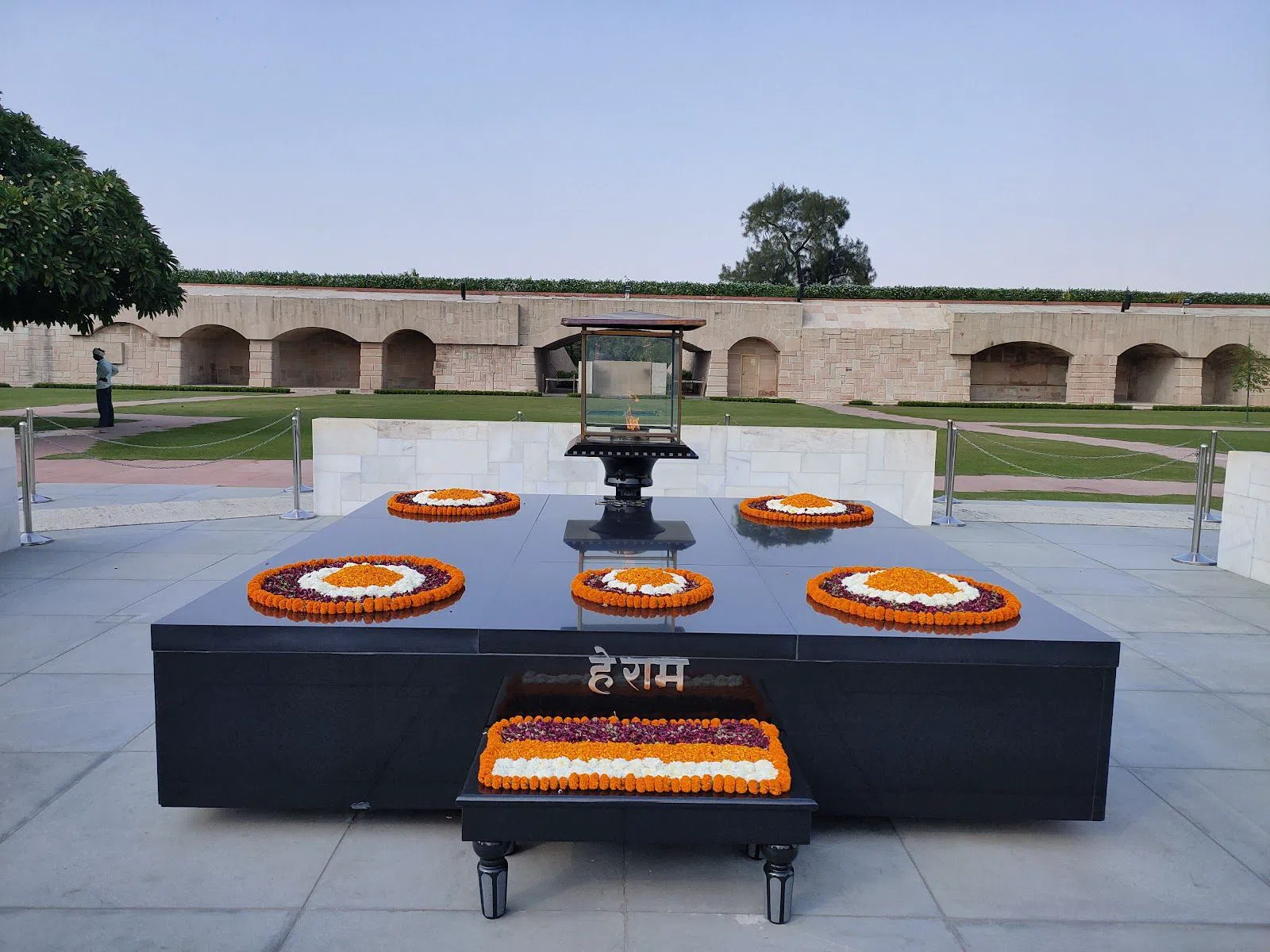
Between the two souls of the city, give yourself a deliberate breath. Raj Ghat, a free public memorial open daily, is a simple black marble platform set in quiet lawns — a contemplative palate-cleanser that comfortably absorbs groups without ever feeling crowded. It sits on the riverside route between the Red Fort and India Gate, so it costs you almost nothing in detour. It is brief and it is meaningful, and after the sensory assault of Chandni Chowk the sudden hush is exactly what the day needs. Fifteen quiet minutes here resets you for the ordered half to come.
New Delhi's measured half: gardens and towers
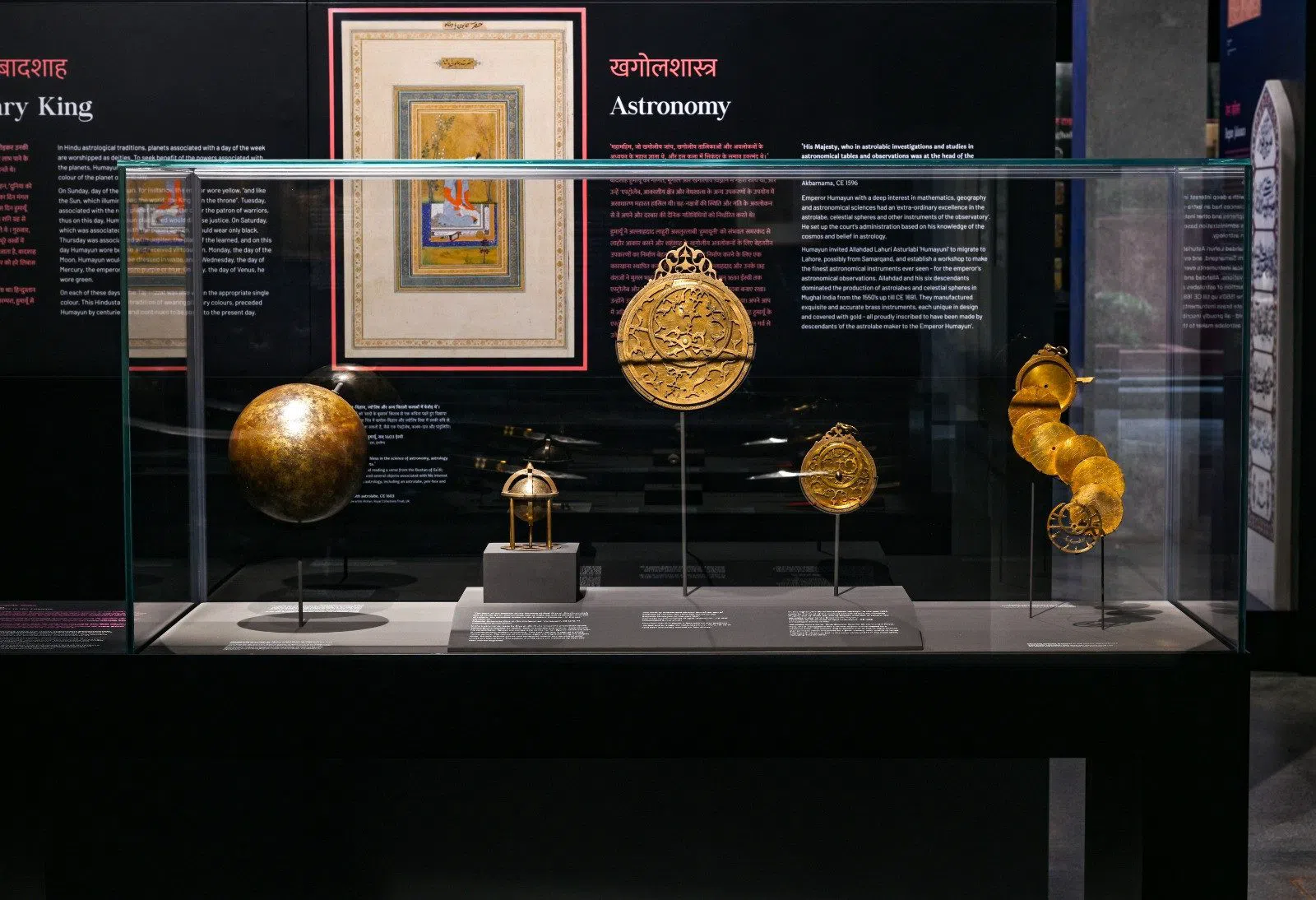
Cross into the New Delhi of wide avenues and green space and the tempo changes completely. Humayun's Tomb & Site Museum, in the Nizamuddin area, is the best-value Mughal stop of this half of the day — the garden-tomb that prefigured the later marble mausoleums of the north, set in formal char-bagh gardens. Foreign entry is around ₹600 (£6), and the sunken Site Museum that opened next door adds genuine depth for a small extra ticket (open Tuesday to Sunday, 10–6). It takes groups easily and rewards a slow wander far more than a quick photo stop.
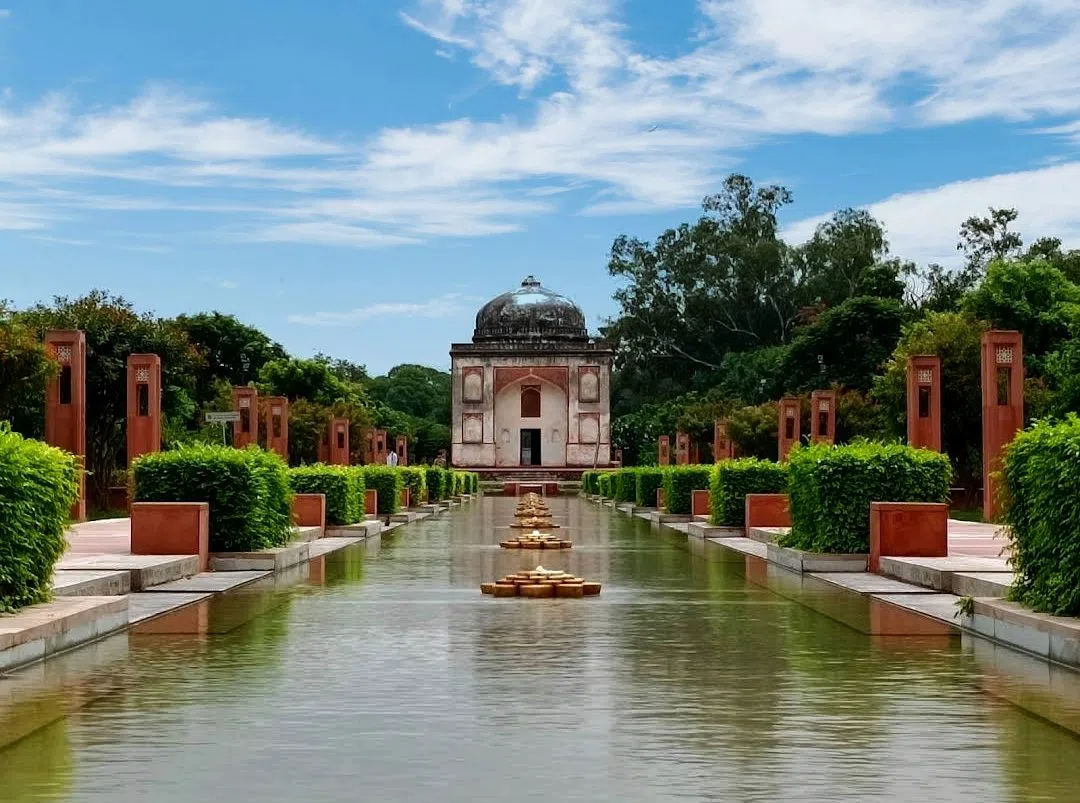
Right beside it lies Sunder Nursery, a ticketed heritage park (about ₹100, £1, open daily from 7am with seasonal closing) that TIME named one of the world's greatest places — and the two genuinely pair on a single stop, so buy your way into both while you are here. It is a proper green breather from the traffic: restored Mughal monuments scattered through landscaped gardens, benches, birdsong, and space to simply sit. For couples it is one of the most quietly romantic corners of the city; for families it is somewhere children can finally run.
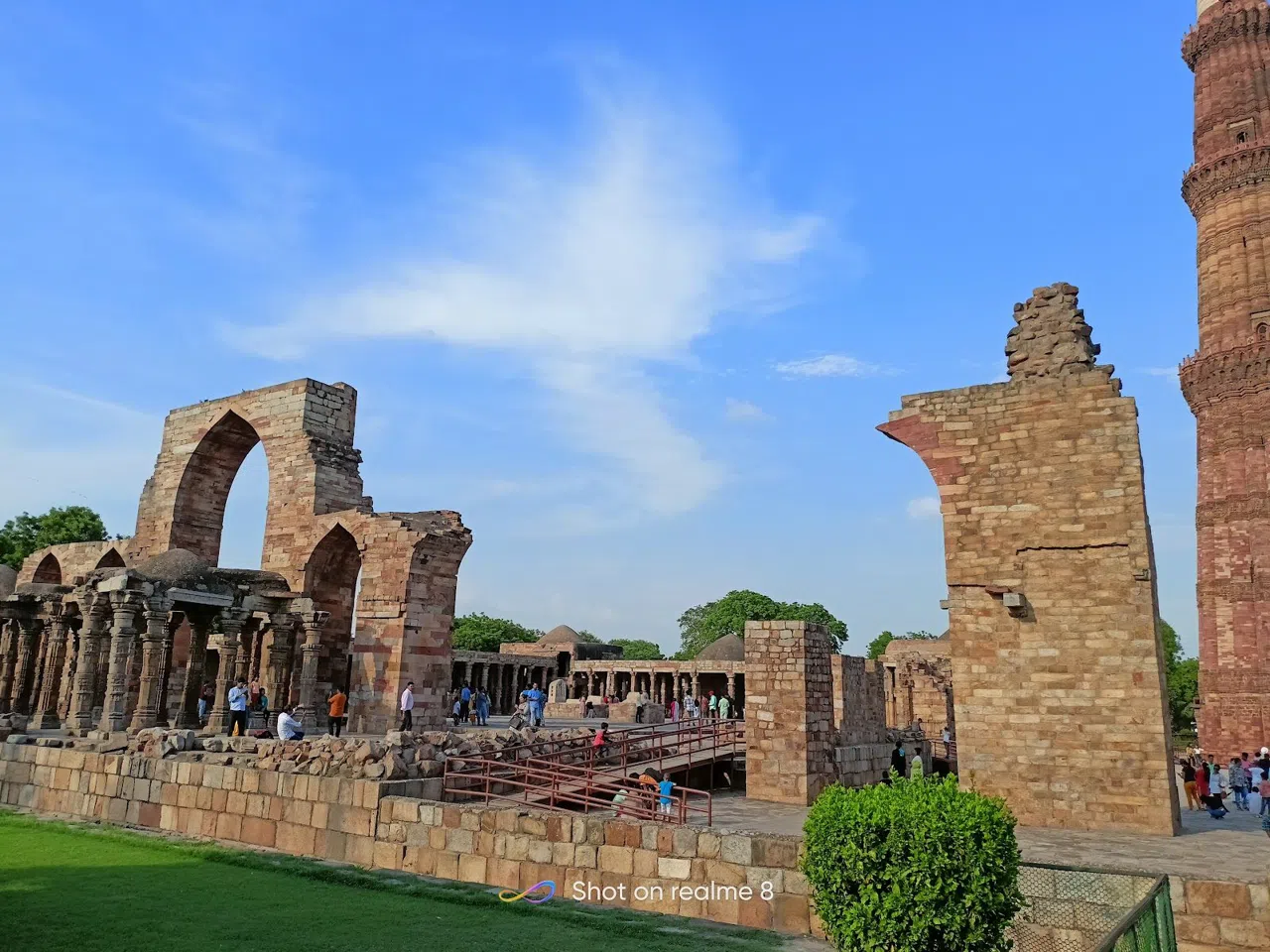
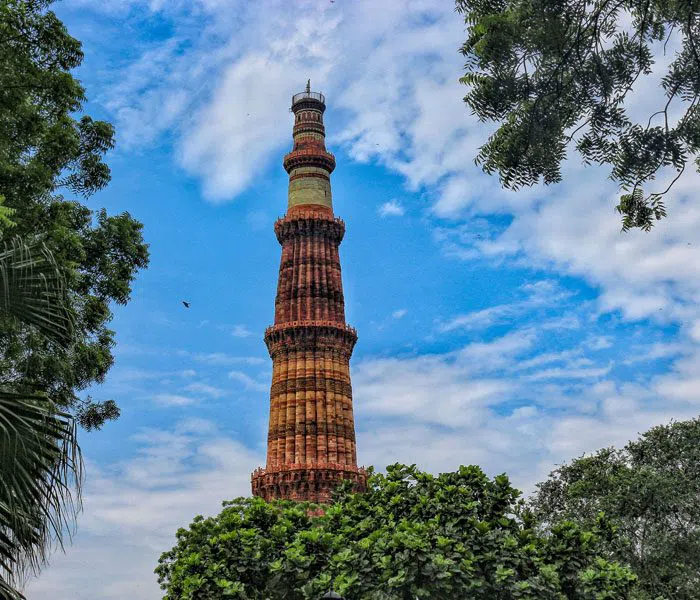
If the day still has legs, make Qutub Minar your finale, out in south Delhi — India's tallest brick minaret and another UNESCO site, a clean, walkable close to the New Delhi half. It is open daily (7am–5pm, foreign entry about ₹500, free for under-15s) and, unlike the Monday-shut sites, it is a reliable fallback if your plans slip. The complex is flat and easy to loop, which makes it kinder on tired legs than it looks from the base of the tower.
Where the city goes quiet: three houses of worship
Delhi's spiritual life is not confined to Old Delhi, and the modern city's places of worship are among its most moving. Fit at least one into the day; all three welcome every faith and are free to enter.
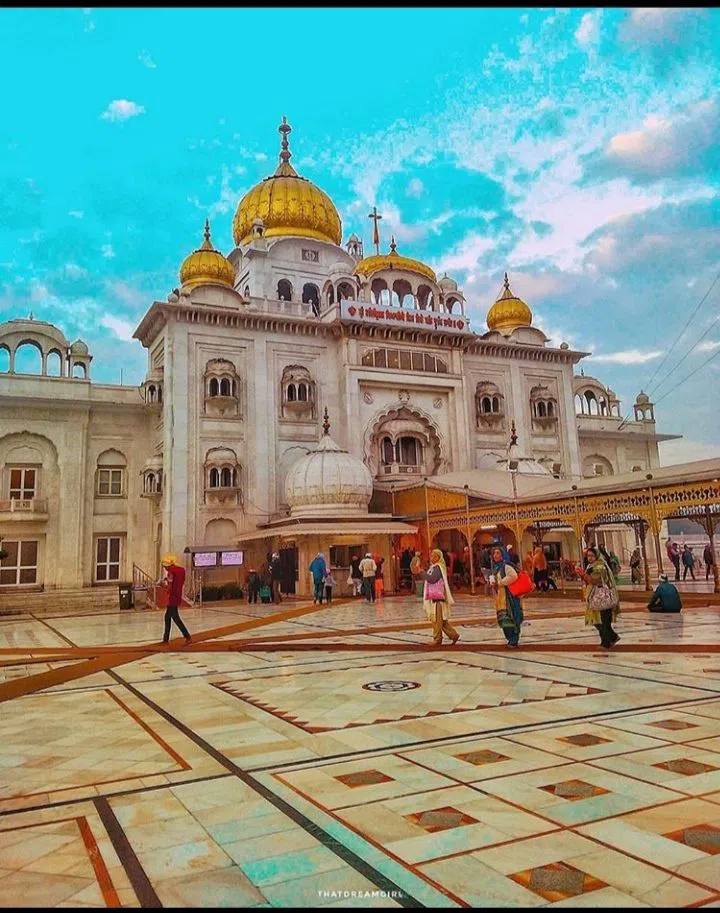
Gurudwara Bangla Sahib, near the centre of New Delhi, is open 24 hours and is superb for groups — heads must be covered and shoes removed, but free scarves are provided and volunteers guide you through. Its volunteer-run langar feeds thousands every single day, and sitting cross-legged on the floor for a free communal meal is one of the most genuinely un-touristy things a UK reader can do here. Do not treat it as a photo op; treat it as a meal you are being given, and it becomes the memory of the trip.
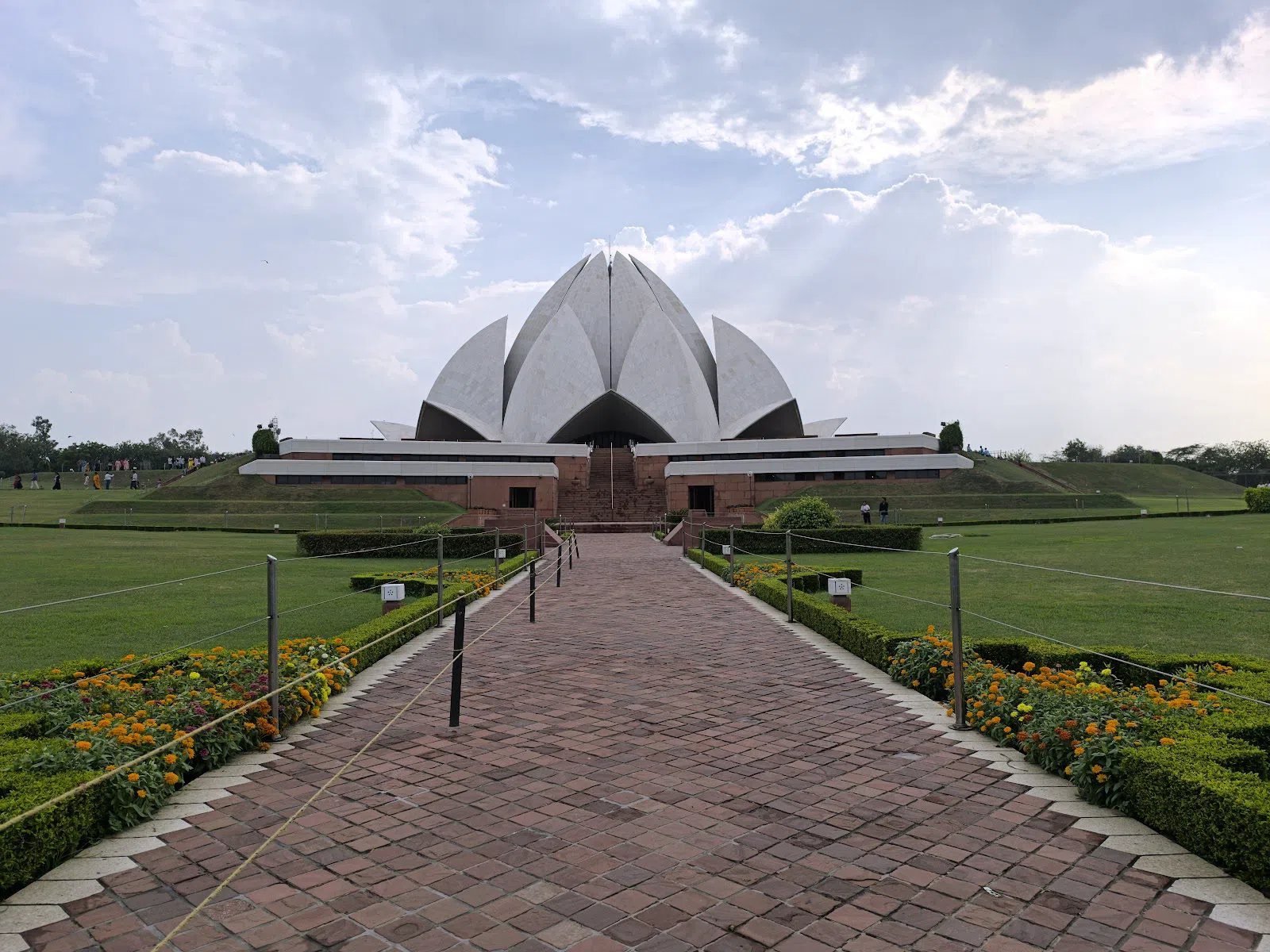
Lotus Temple (Baháʼí House of Worship), in the Kalkaji area, is Delhi's most photographed modern building — the great white flower of a hall where silence is kept inside. Entry is free and all faiths are welcome, but expect real queues, and note the crucial scheduling trap: it closes on Mondays, exactly as the Red Fort does, so the two closures compound and a Monday visit wrecks both ends of your day. Plan around it.
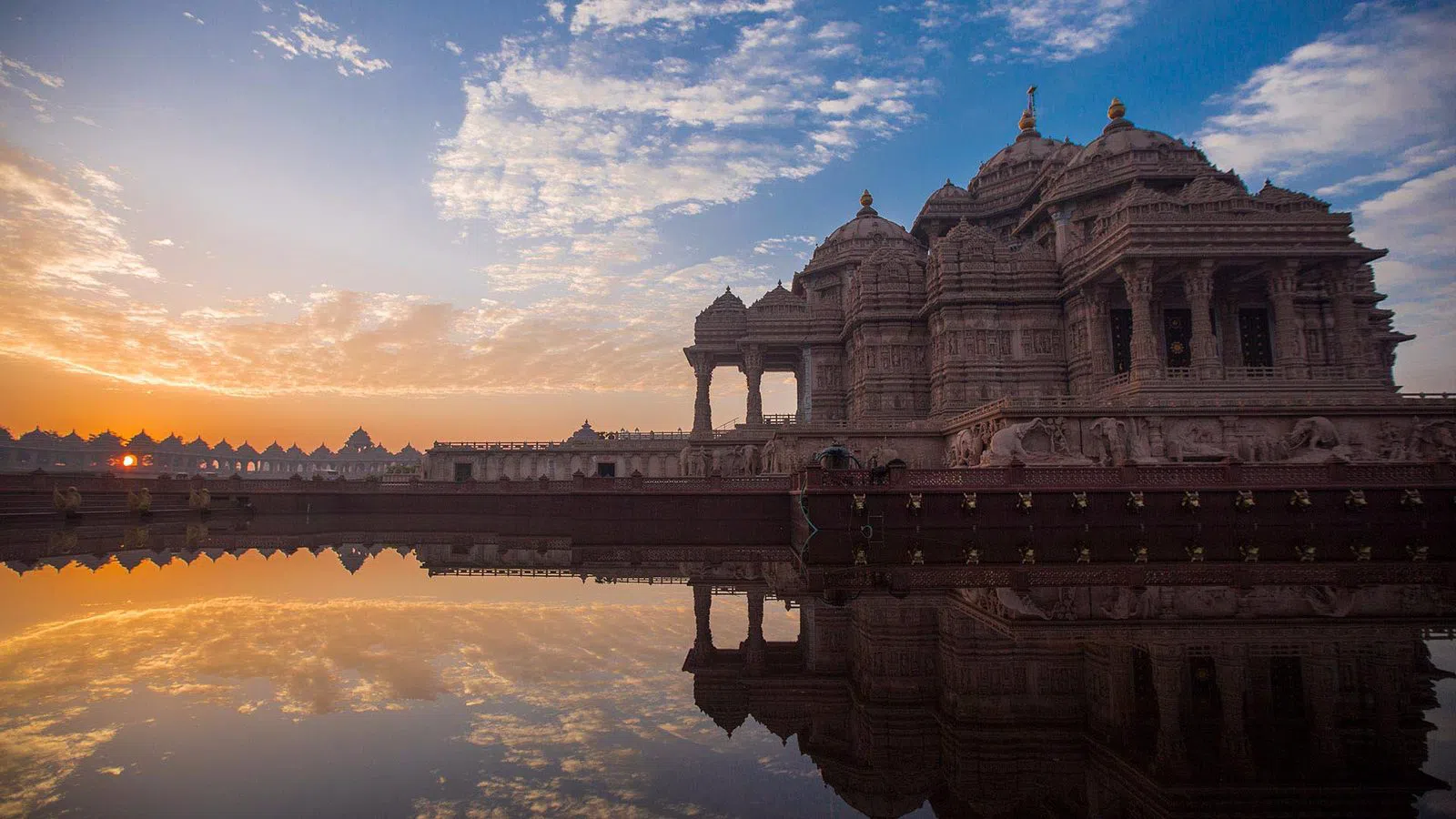
Swaminarayan Akshardham, across the Yamuna in East Delhi, is a colossal modern temple complex with free temple entry, built for crowds and easy with groups. Flag its one hard rule loudly to anyone you are travelling with: no phones and no cameras at all (there is a free cloakroom for them), and it too is closed on Mondays. If your day has run long and you still have energy, its evening water show is the highlight — ticketed at around ₹250, alongside the exhibitions — and a fitting, slightly theatrical way to end.
Where to stay
Old Delhi is thrilling by day and hard work as a base; most first-time UK visitors sleep better — literally — in the calmer, greener districts of New Delhi and commute in for the morning. Weigh the trade-off of atmosphere versus quiet before you book, and start a Delhi hotel search around whichever half of the city you plan to spend most time in.
Planning the day: transport, cash, timing and budget
Transport. The Delhi Metro is clean, air-conditioned, cheap and by far the least stressful way to cross between the two Delhis. For Old Delhi, Chandni Chowk (Yellow Line) and Lal Qila and Jama Masjid (Violet Line) put you within a short walk of the fort, mosque and lanes. In New Delhi, Kalkaji Mandir serves the Lotus Temple, Akshardham has its own Blue Line station, and Qutub Minar is a stop on the Yellow Line (then a short auto-rickshaw ride). Buy a rechargeable smart card on arrival to skip token queues. Between metro-poor stretches, use a metered auto-rickshaw or a booked app cab rather than flagging one blind.
Cash. Carry small rupee notes — rickshaw fares, robe and camera fees at the mosque, the spice-market miscellany and the temple cloakrooms all run on cash, and the langar and most religious sites take nothing at all. Cards are fine at ticketed monuments and sit-down restaurants but useless in the lanes.
Timing. Never run this route on a Monday, when the Red Fort, both modern temples and Humayun's museum are shut. Start at the fort for opening, do Old Delhi and lunch before the midday heat, use Raj Ghat as the hinge, and save the calmer New Delhi gardens and a worship stop for the cooler late afternoon and evening. October to March is the comfortable season; in high summer, compress the outdoor monuments into the early morning.
Budget. The monuments are the only real spend — reckon on roughly ₹2,250 (about £22) per adult in foreign-tourist entry fees if you do the fort, Humayun's Tomb, Sunder Nursery and Qutub Minar, with under-15s free at the fort and Qutub Minar. The mosque, Raj Ghat, Bangla Sahib, the Lotus Temple and Akshardham's temple hall are all free. Lunch at Karim's runs ₹400–700pp (£4–7); a guided food walk is the day's biggest optional cost at ₹3,000–4,500pp. All in, a couple can do a rich, honest day here — monuments, a proper meal and metro fares — for well under £40 each.
Delhi will not hand you a single, tidy impression, and the day above is designed so it does not have to. Hold both souls in the same twelve hours, respect the Monday closures and the modest-dress rules, carry cash and start early, and the city that first-timers are warned is overwhelming becomes, instead, simply large — and generous with it.
Before you go
What is the best one-day itinerary for Delhi?
Start at the Red Fort for opening, walk to Jama Masjid, ride a cycle-rickshaw through Chandni Chowk and lunch at Karim's, pause at Raj Ghat, then cross to New Delhi for Humayun's Tomb, Sunder Nursery and Qutub Minar, finishing at Gurudwara Bangla Sahib, the Lotus Temple or Akshardham. Avoid Mondays, when several sites close.
Which Delhi attractions are closed on Mondays?
The Red Fort, the Lotus Temple and Swaminarayan Akshardham all close on Mondays, and the Site Museum at Humayun's Tomb opens only Tuesday to Sunday. Qutub Minar and Gurudwara Bangla Sahib stay open daily, but it is best not to run this itinerary on a Monday at all.
How much does it cost to visit Delhi's monuments in 2026?
Foreign-tourist entry is roughly ₹550 for the Red Fort, ₹600 for Humayun's Tomb, ₹500 for Qutub Minar and ₹100 for Sunder Nursery, with under-15s free at the fort and Qutub Minar. Jama Masjid, Raj Ghat, Bangla Sahib, the Lotus Temple and Akshardham's temple hall are free.
Is it safe to eat street food in Old Delhi?
Yes, with sensible care. If you're nervous, book a small-group tour with Delhi Food Walks (around ₹3,000–4,500pp) whose local hosts choose the stalls for you, or eat at the century-old Karim's beside Jama Masjid, where mutton burra and mutton korma are the order.
What should I wear to visit Delhi's mosques and temples?
Dress modestly with shoulders and knees covered. At Jama Masjid robes rent for about ₹50 and shoes come off; at Gurudwara Bangla Sahib heads must be covered (free scarves provided) and shoes removed; and at Akshardham phones and cameras are banned entirely, with a free cloakroom provided.