The Delhi issue
The best private city tours in Delhi: Old and New Delhi in a day
How to see the tangle of Old Delhi and the wide avenues of New Delhi in a single well-planned day — with the private guides, food walks and ethical outfits actually worth booking in 2026.

By Bram VerhoevenA Dutchman reading Delhi one neighbourhood at a time
The thing no guidebook quite prepares you for is how two Delhis can sit inside one city and barely acknowledge each other. Step out of the metro at Chandni Chowk and you are in a lattice of lanes where a spice porter, a wedding-card printer and a paratha cook all occupy the same square metre; forty minutes south, New Delhi unrolls into imperial roundabouts and shaded colonial bungalows where the loudest sound is a parakeet. Trying to bridge that gap alone on your first day is possible but punishing — which is exactly why a good private guide, booked in advance, is the single best decision you can make.
This guide is built for that one-day mission: Old Delhi in the morning while it is cool and the shops are lifting their shutters, New Delhi and the southern monuments in the afternoon. Every operator below is one I would put in front of a friend. I have grouped them by the kind of day they build, flagged which suit couples versus larger family or friend groups, and been honest about what each one is and isn't. Pair this with the Delhi guide for context on the wider city, and sort your base early — an Old Delhi or central address saves you an hour of traffic each way.
Start with the bespoke operators — they'll build the whole day
If you want one company to stitch Old and New Delhi into a seamless itinerary rather than juggling two separate bookings, start here.
Delhi Magic (citywide, based in the south) is the polished 'design my own day' choice. It is fully private and customisable, charged at roughly £60–110 per tour rather than per head, which makes it genuinely good value for a couple and excellent for a family or friends of three or four splitting the cost. The hosts are personable and the itineraries curated rather than off-the-shelf; ask about their Delhi-by-Metro option with student guides, which is a smart, low-stress way to cover ground between Old and New Delhi without sitting in a car. This is the operator I'd point a nervous first-timer towards when they want the day handled end to end.
India City Walks (citywide) is the most 'official' outfit on this list — a Ministry of Tourism–recognised operator with award-winning guides, geared for private and corporate bookings. At around £25–45pp for private heritage walks, it is pricier than the grassroots collectives, but you are paying for slick logistics and structure: clear timings, professional guides, and the kind of reliability that matters when you have exactly one day and no margin for a no-show. It suits readers who like a premium, buttoned-up experience and don't mind that it feels a touch more corporate than the passion-project operators further down.
Plan your Delhi trip
Live prices from our booking partners.
Free cancellation on many rooms. We may earn a commission when you book.
Old Delhi in the morning: food, bazaars and a real haveli
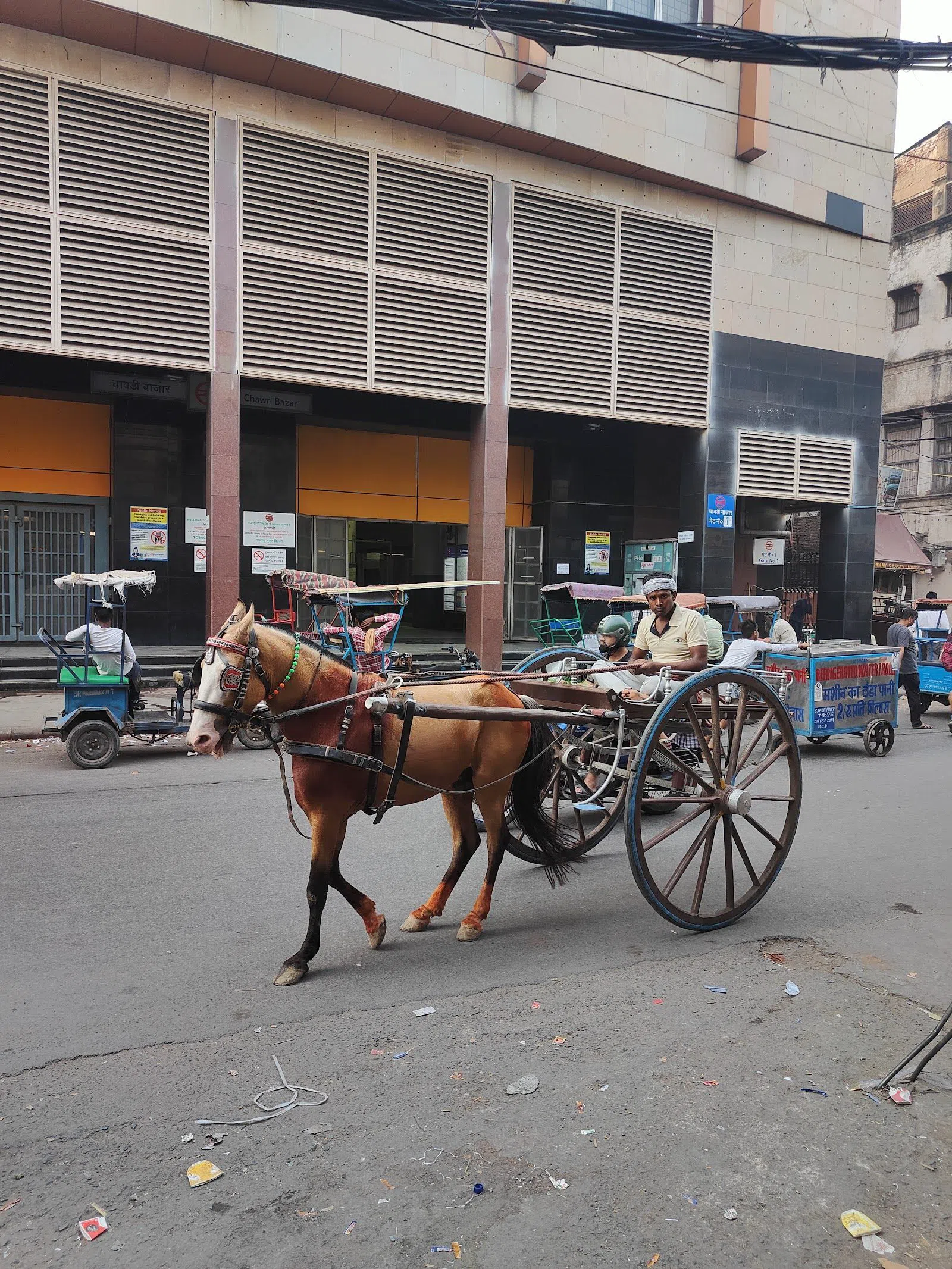
Old Delhi is best met on an empty stomach and a full itinerary. Get there for around 8–9am, before the heat and the crush; the nearest metro stops are Chandni Chowk (Yellow Line) and Chawri Bazaar (Yellow Line), both a short walk from the action.
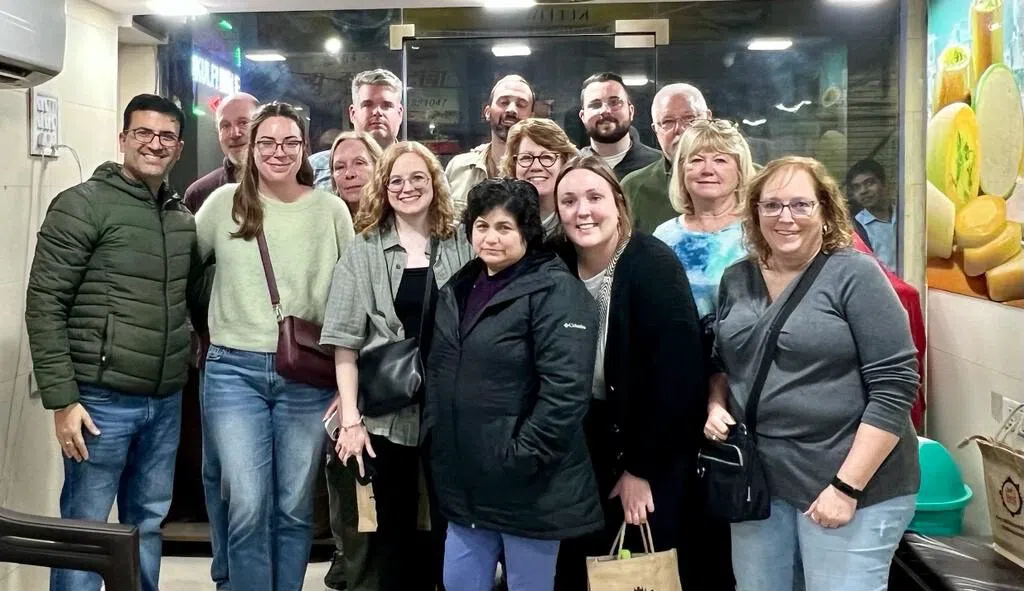
Delhi Food Walks (Old Delhi) is the safe, standout pick for first-time eaters, and the one I recommend most often. Founder Anubhav Sapra runs Delhi's best-known street-food operation, and it shows: the guides are genuinely knowledgeable, the groups are kept small and private, and they use e-rickshaws to spare your legs and donate leftover food at the end. Expect roughly £30–55pp (₹3,000–5,500) for the classic Old Delhi walk. It happily runs family and friend groups as well as couples, and because the numbers stay low you never feel herded. If you eat one thing in Old Delhi, do it with these people.
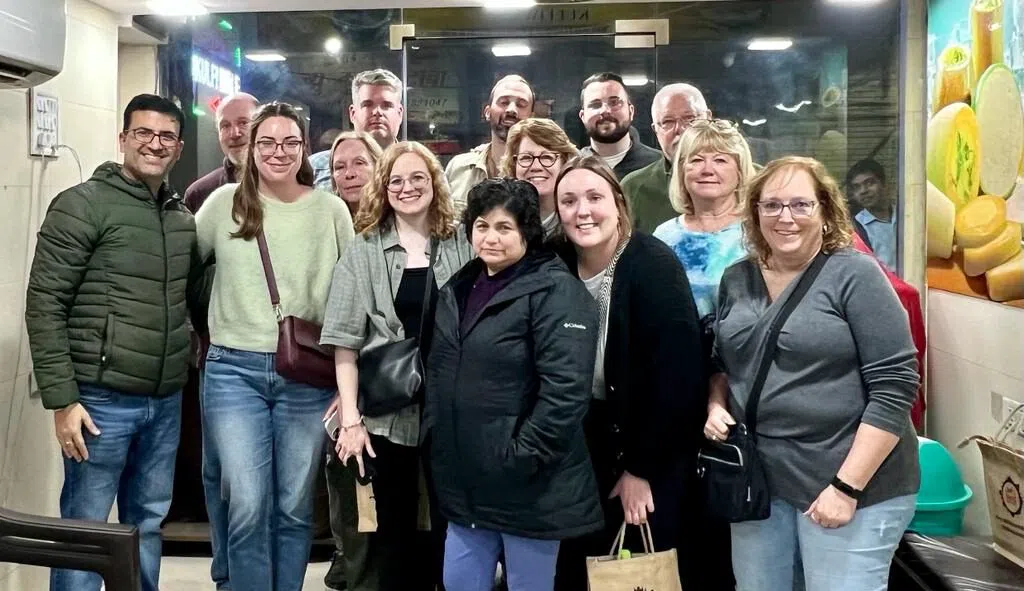
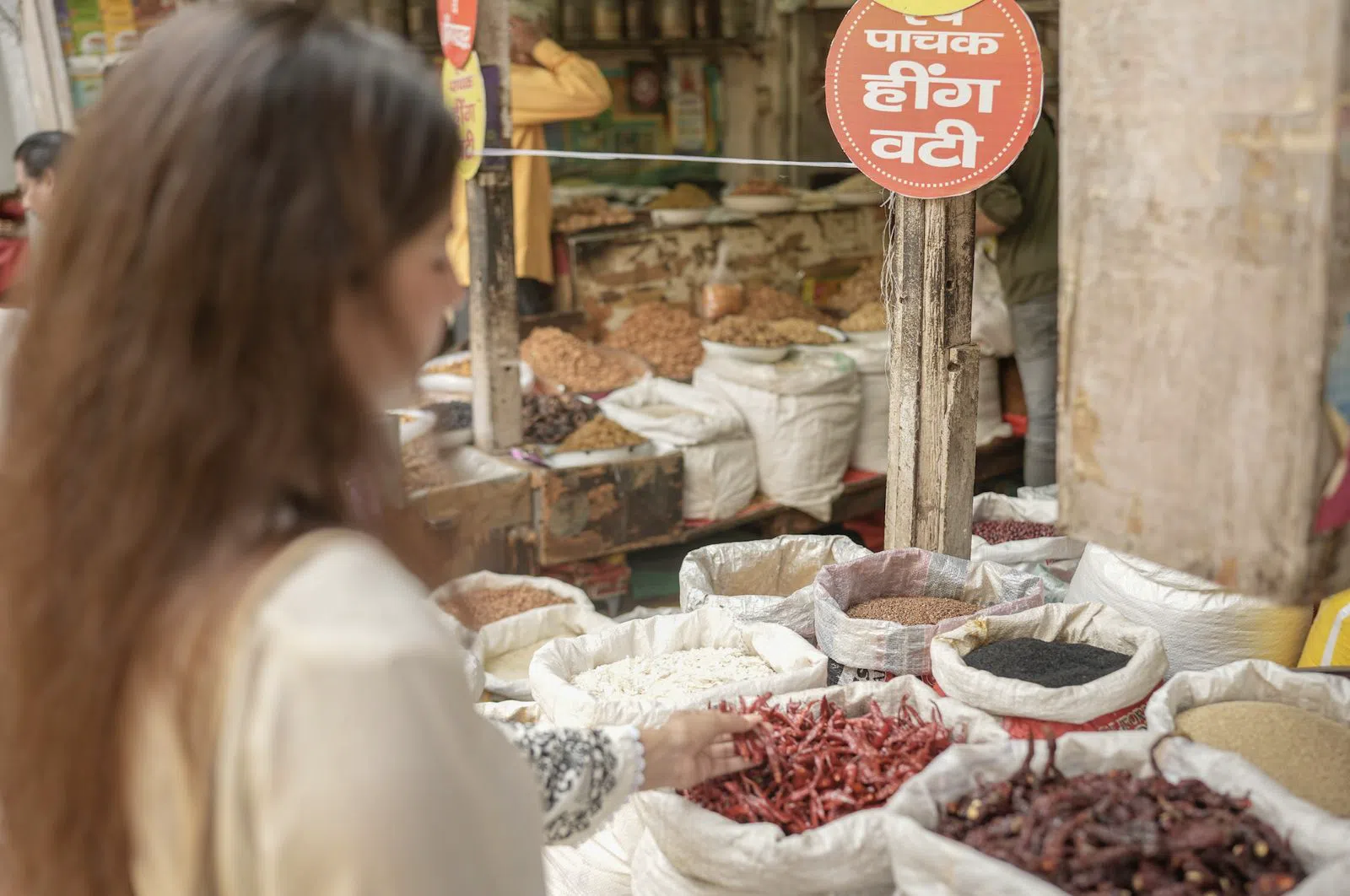
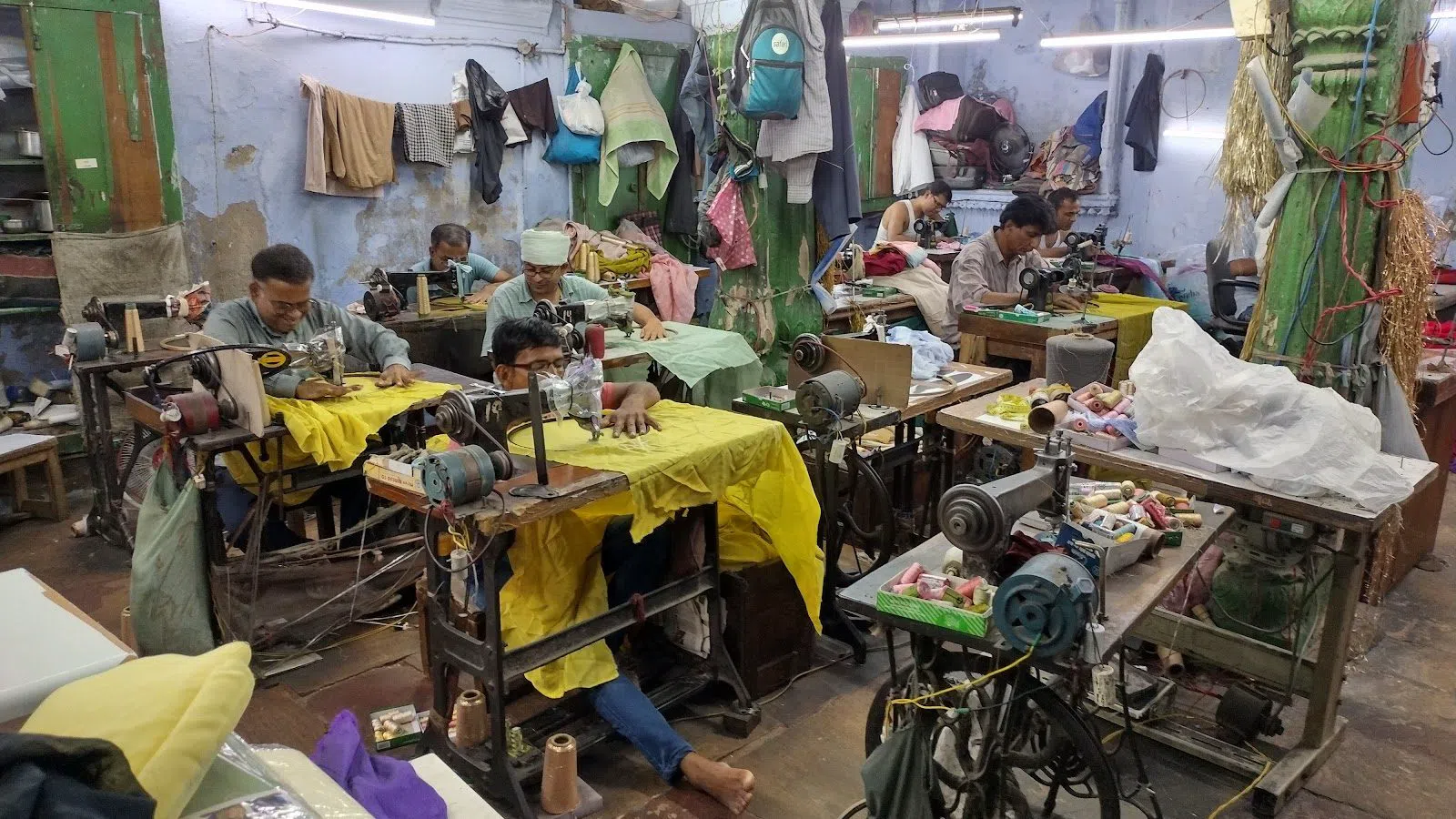
Masterji Kee Haveli Walk (Sitaram Bazaar) is the one to book when you want more than a walk-past. It combines a street-food ramble through the Sitaram Bazaar lanes with lunch cooked and served inside a real family haveli — that rare 'inside someone's home' moment you can't fake. At around £35–60pp including the home-cooked meal, with hotel pick-up and a half- or full-day option, it is comfortable with family and friend groups and a lovely, unhurried way to slow the morning down. Treat the meal as your lunch and plan the afternoon accordingly.
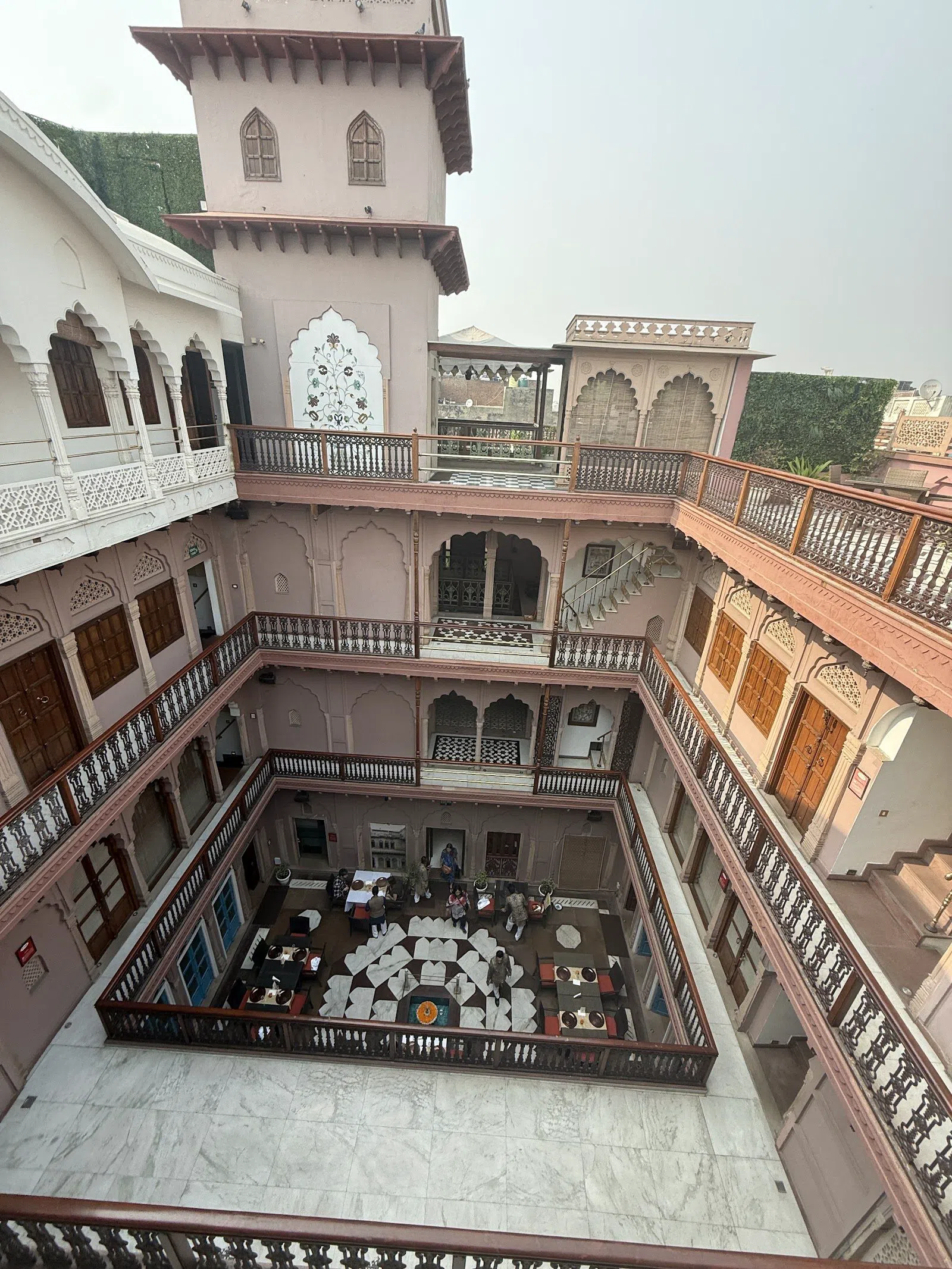
For something more upscale, Haveli Dharampura (five minutes from Jama Masjid) is a UNESCO-awarded restored haveli that runs its own Old Delhi heritage and food walks on request, from around £40–80pp for a private outing. The photogenic base is the point here: you can sleep, eat and tour from a genuinely beautiful property, and the private guiding suits couples and small groups who want a bit of comfort woven through the chaos. Book the walk ahead, as it's arranged on request rather than scheduled. The nearest metro is Jama Masjid (Violet Line).
Old Delhi at dawn, from the saddle
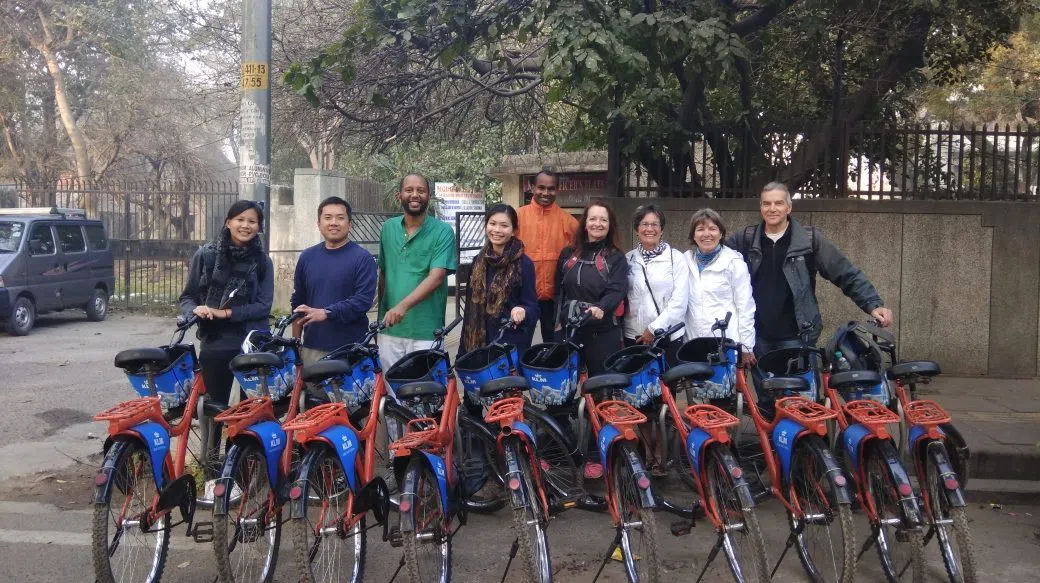
If your group is up for something a little more adventurous, DelhiByCycle (Old Delhi) is a brilliant angle. These are Dutch-founded, long-running early-morning rides through the old city before the traffic wakes — small guided pelotons with a lead and a tail guide, and private departures on request. At roughly £30–40pp including breakfast, you get Old Delhi at its quietest and coolest, gliding past the wholesale markets as they set up. It takes groups but keeps them tight for safety, and the pre-dawn start (they roll early, so confirm the exact time when booking) means you're finished and fed with the whole rest of the day ahead. Not for absolute non-cyclists, but the lanes are flat and the pace gentle — this is sightseeing, not a sportive.
Heritage walks with real depth
Once you cross into New Delhi and the southern monument belt, the story changes from bazaars to dynasties, and a good heritage guide turns a pile of ruins into something you actually remember. These operators lean scholarly, which is a compliment.

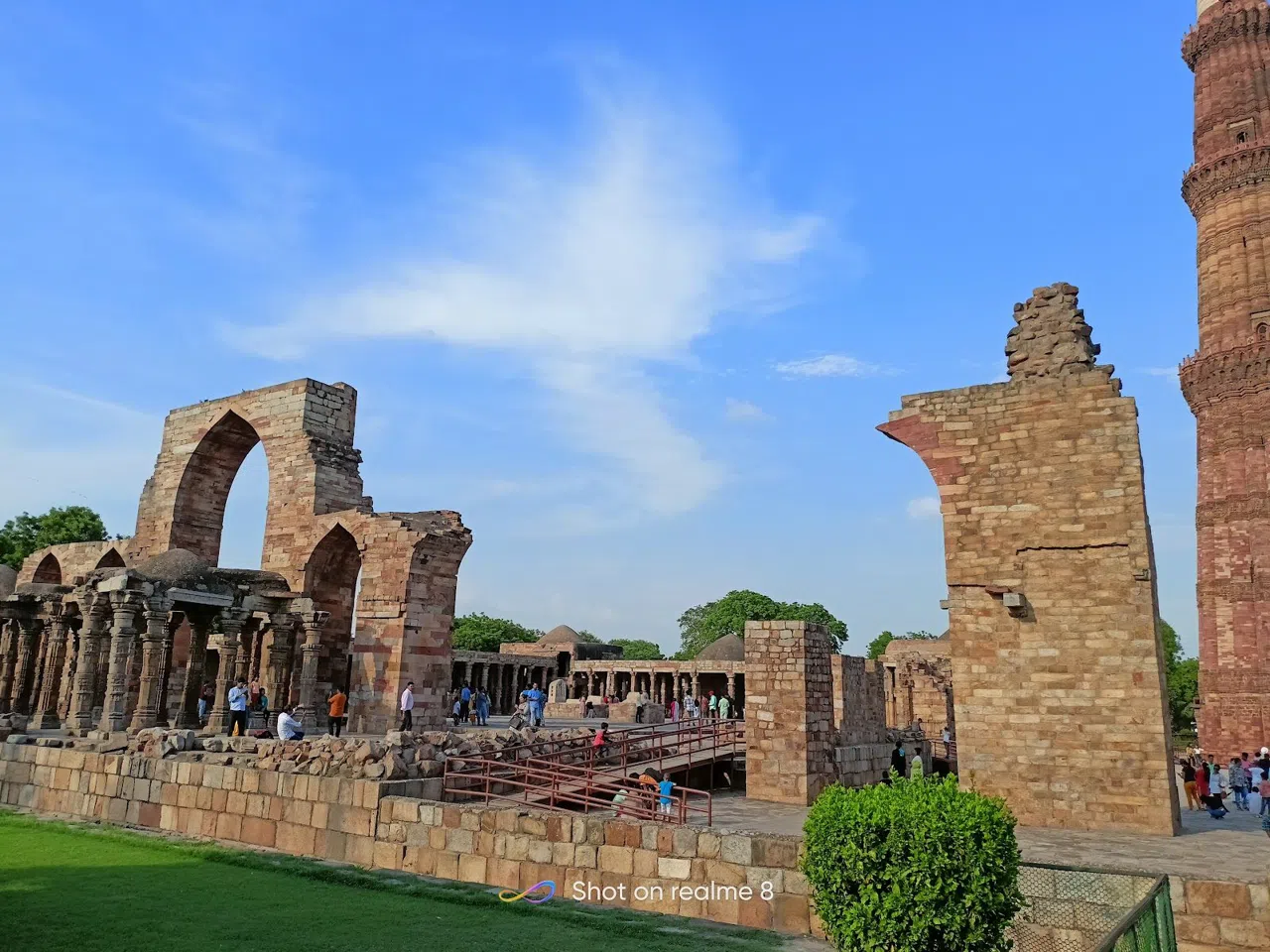
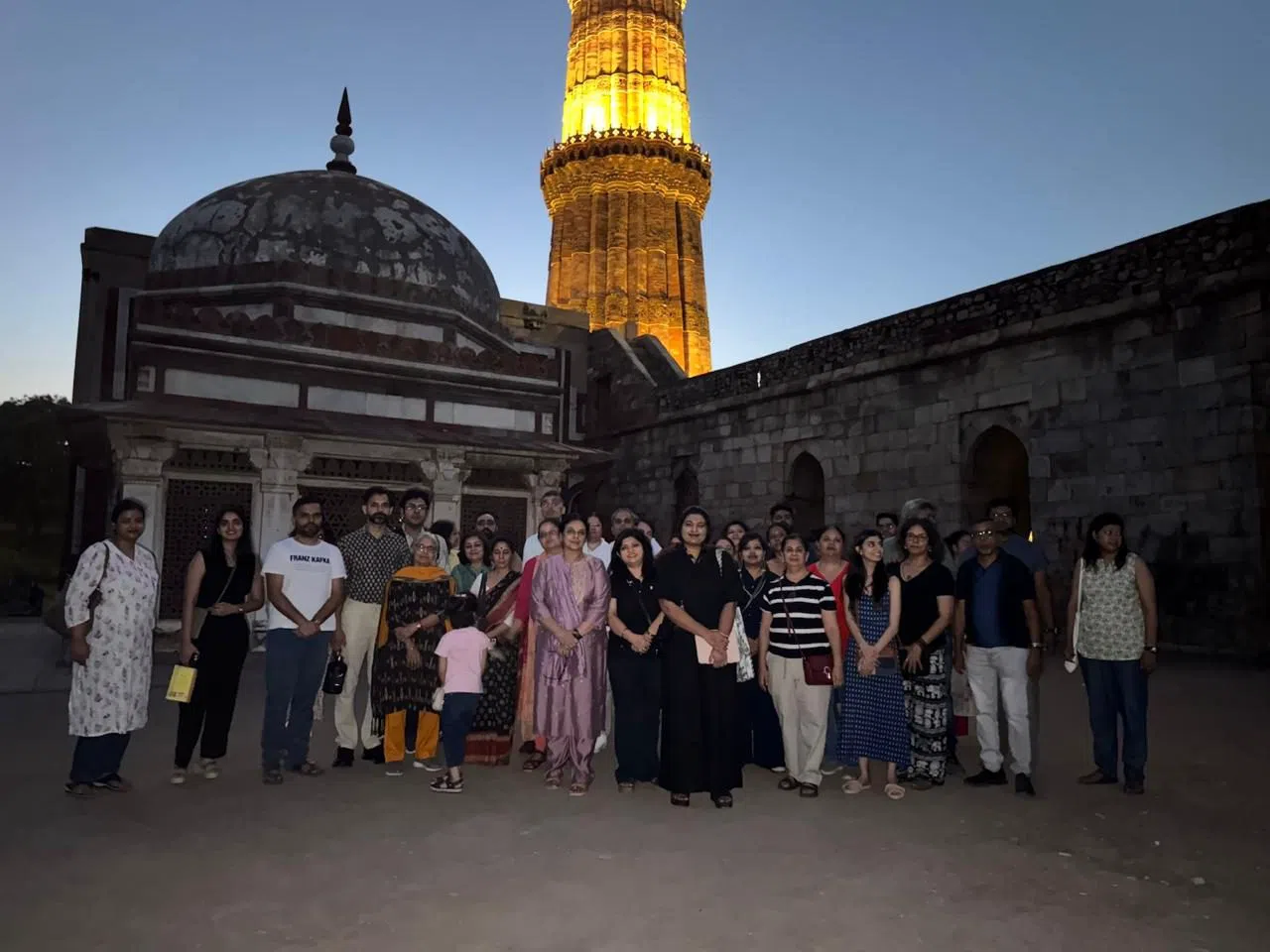
Delhi By Foot (Mehrauli and Nizamuddin, in the south) is Ramit Mitra's long-running collective, and it's the value pick for curious readers. Public weekend walks run from as little as £8–20pp, with private and education bookings costing more, and the routes lean off-piste — Mehrauli's Archaeological Park, the Sufi lanes of Nizamuddin — rather than the obvious monuments. It leans scholarly and rewards readers who want depth over hand-holding. Mehrauli sits near Qutub Minar station (Yellow Line); Nizamuddin is easiest by taxi.
Delhi Heritage Walks (Hauz Khas, Qutb, Nizamuddin) is one of the city's older, academically-minded collectives, running scheduled monthly walks plus customisable private departures at around £10–25pp. It covers the less-trodden southern sites — Hauz Khas's medieval reservoir and tombs, the Qutb complex — and is a solid choice for anyone who prioritises history over selfies. Hauz Khas has its own metro stop on the Yellow and Magenta lines, which makes it easy to fold into an afternoon.
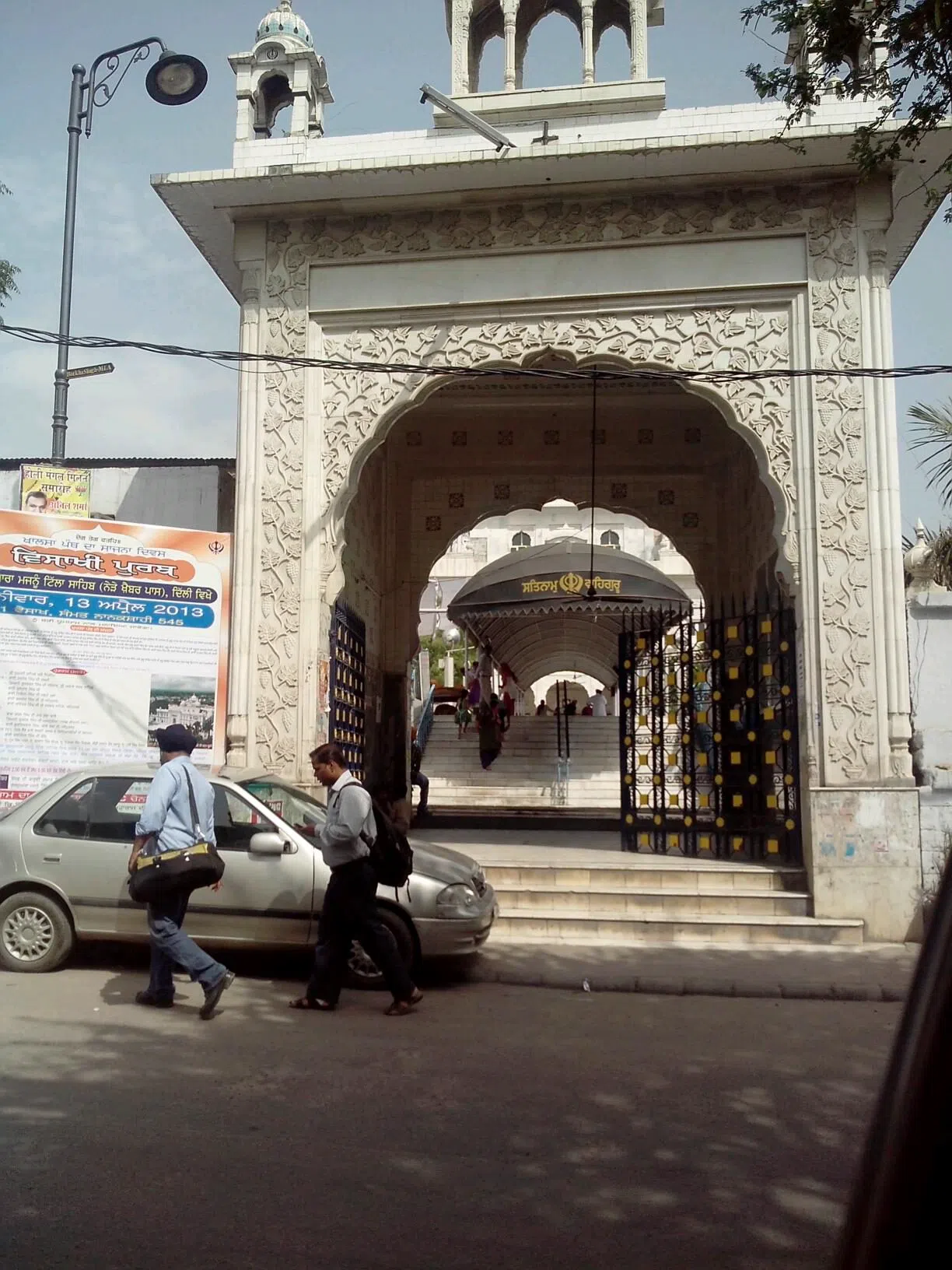
Enroute Indian History (themed walks across Delhi) is the one that stands apart from the standard monument circuit. It's a women-led outfit with characterful themed walks — the 'Badass Begums' route tracing the city's overlooked women, and after-dark 'Raat Ke Afsane' walks — priced around £12–30pp depending on the theme. It takes groups and runs private and corporate bookings too. Pick this when you want a story-driven angle rather than a march past the usual forts, and when a fresh perspective matters more than ticking off headline sights.
Tours that give back: the ethical picks
Delhi has a strong, well-run cluster of social-enterprise tours, and I'd encourage you to build at least one into your day — provided you go in with the right expectations. Pitch these to yourself honestly as cause-led experiences, not sightseeing.
Salaam Baalak Trust City Walk (Paharganj, near New Delhi railway station) is guided by former street children the NGO has rehomed, and the fee — around £12–18pp — funds the charity directly. It is moving, eye-opening and genuinely well organised, with regular fixed departures plus bookable private and group slots for schools and tour parties. It's a short, contained walk rather than a half-day, so it slots neatly into a morning before you head south.
Street Connections (UK-bookable) is the easiest ethical walk for British travellers to lock in, precisely because it takes bookings through a UK-facing channel — a real convenience when you want everything confirmed before you fly. Run by Salaam Baalak alumni, it's a distinct social enterprise at around £15–20pp that supports the guides and a shelter. I'd only recommend booking it instead of, not as well as, the Salaam Baalak walk, since the two overlap; choose Street Connections if advance UK booking is your priority and the Trust's own walk if you'd rather arrange it locally.
Reality Tours & Travel (community walk) is the pick for readers wary of 'poverty tourism'. It's the Mumbai pioneer's Delhi arm, running shared and fully private departures with a strict no-photos policy and 80% of profit funding its charitable programme, at roughly £20–35pp. It's respectful, well-drilled for larger parties, and about as far from a voyeuristic experience as this category gets. If the ethics of a community visit worry you, this is the reassuring choice.

Planning your day: transport, cash, timing and budget
Timing. Do Old Delhi first, and do it early — aim to start between 8 and 9am while it's cool and the lanes are waking up rather than heaving. Break for lunch (the haveli or food-walk meal does this job nicely), then move south to the New Delhi monuments and heritage walks in the afternoon, when a slower, shadier pace suits the wide avenues. Confirm exact start times when you book, especially for the dawn cycle ride.
Transport. The metro is the fastest way to hop between the two Delhis and skips the traffic entirely — buy a rechargeable Smart Card at any station and keep it topped up. Key stops: Chandni Chowk and Chawri Bazaar (Yellow Line) for Old Delhi, Jama Masjid (Violet Line), and Qutub Minar and Hauz Khas (Yellow Line) for the southern monuments. Between metro-poor spots like Nizamuddin, use a licensed app taxi rather than flagging a rickshaw cold. Several operators — Delhi Magic's Metro option, Delhi Food Walks' e-rickshaws — build the transport in, which is one less thing to solve.
Cash. Carry small rupee notes. Many lanes, chai stalls and the social-enterprise fees run on cash even as cards and UPI spread, and you'll want change for tips and street snacks. Withdraw at an airport or bank ATM rather than a backstreet machine.
Budget. You can build a full, honest day for very little — a charity walk at £12–18pp plus a scholarly heritage walk at £10–25pp — or go premium with a bespoke private tour at £60–110 for the group. Most readers land in the middle: one small-group food walk (£30–55pp) and one heritage or ethical walk, which comes in comfortably under £80pp for a memorable day. Book the private and on-request tours at least a few days ahead; the fixed-departure walks can often be joined at shorter notice.
Sort your base before anything else — a central or Old Delhi hotel turns this itinerary from a logistical scramble into an easy day. Start your Delhi hotel search early, and the two Delhis stop feeling like two cities and start feeling like one very good day out.
Before you go
Can you really see both Old and New Delhi in one day?
Yes, if you plan it well. Do Old Delhi first thing while it's cool — a food or bazaar walk from around 8–9am — then use the metro to move south for the New Delhi monuments and a heritage walk in the afternoon. A bespoke operator like Delhi Magic can stitch the whole day together for you.
How much does a private Delhi tour cost in 2026?
It varies by format. Small-group food walks run about £30–55pp, scholarly heritage walks from £8–25pp, and social-enterprise walks £12–20pp. A fully bespoke private tour from Delhi Magic is roughly £60–110 for the whole group rather than per head, which is good value for couples or families splitting the cost.
Which Delhi tour is best for a first-time visitor?
For eating, Delhi Food Walks is the safe standout — small private groups, knowledgeable guides and e-rickshaws to save your legs. For a handled, end-to-end day, Delhi Magic builds a private itinerary across both Old and New Delhi. Both are easy, reassuring first bookings.
Are the ethical or charity tours in Delhi actually worth doing?
Yes, provided you treat them as cause-led experiences rather than sightseeing. The Salaam Baalak Trust walk is guided by former street children the NGO has rehomed, Reality Tours runs a respectful no-photos community walk, and Street Connections is the easiest to book from the UK in advance.
How do I get around Delhi between the old and new parts of the city?
The metro is fastest and skips the traffic — buy a rechargeable Smart Card and use Chandni Chowk or Chawri Bazaar (Yellow Line) for Old Delhi and Qutub Minar or Hauz Khas (Yellow Line) for the southern monuments. Use a licensed app taxi for metro-poor spots like Nizamuddin, and carry small rupee notes for stalls and fees.