The Delhi issue
Momos and Monasteries in Delhi's Majnu ka Tilla
A full day of eating in Delhi's Tibetan colony: where to find hand-made laphing, honest shabalay and butter tea, what it costs, and which rooms actually fit a group.
By Nandita RaoFrom the Chandni Chowk galis to the new-Delhi tasting menus
By seven in the morning the lanes behind the Yamuna embankment smell of butter tea, frying dough and juniper smoke, and the loudest sound is a rolling pin working a steel counter. Majnu ka Tilla (New Aruna Nagar on the street signs, the Tibetan colony to everyone else) is about four lanes wide, roofed over with tangled cable and hand-painted boards, and packs more good, cheap cooking into a few hundred metres than any other corner of Delhi. Come hungry, come with cash, and give it a whole day rather than the spare hour most itineraries allow it.
Start at the monastery and the mound
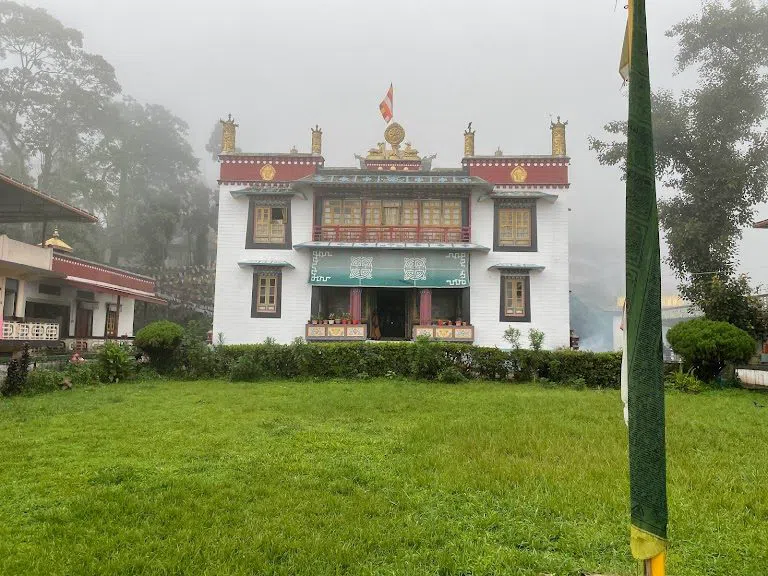
The colony reads as pure chaos until you find its centre. Ganden Tharpa Ling Monastery (Old Camp, Majnu ka Tilla) sits at the heart of it and the lanes bend around it the way village lanes bend around a temple, which is more or less what happened as Tibetan families settled this strip and built outward from the prayer hall. Entry is free, the doors are open to anyone, and the hours run roughly 6am to 8pm. Shoes come off before you step into the hall, voices come down, and cameras stay in your bag once you are inside. The courtyard is fair game, the prayer hall is not, and nobody should have to tell you twice.
That courtyard is also the quarter's dining room. Half the best food here is sold standing up by people with no seating to offer, and the courtyard is the only spot with shade, space and somewhere to put your elbows. Learn where it is on the way in and the rest of the day organises itself around it.
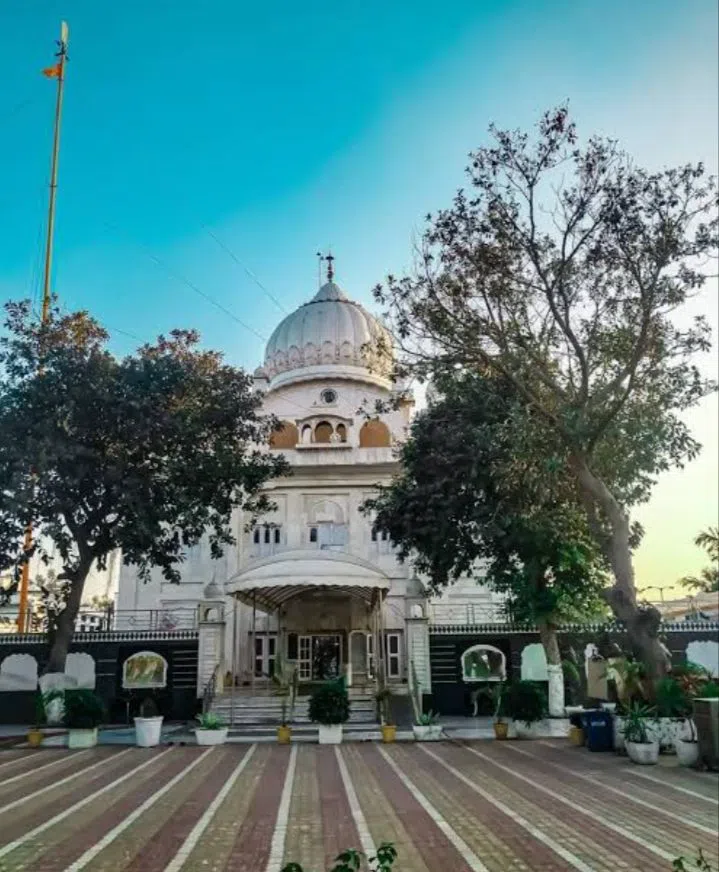
Five minutes' walk toward the main road, Gurudwara Majnu Ka Tila (Majnu ka Tilla) is the reason the area carries its name at all: the mound where Guru Nanak is said to have stayed in 1505, with the shrine itself built in 1783. It is open 24 hours, free, and the langar kitchen feeds anyone who arrives, however many of you there are. Cover your head, remove your shoes, wash your hands at the tap by the entrance. Seeing the two within a few hundred metres of each other, an eighteenth-century Sikh shrine and a Tibetan monastery, is the piece of context that makes this whole stretch of north Delhi make sense, and it costs nothing. If you are still assembling the rest of your days, the Delhi guide sets out how this corner fits with everything else north of the ridge.
Plan your Delhi trip
Live prices from our booking partners.
Free cancellation on many rooms. We may earn a commission when you book.
Breakfast is the best meal here
Most visitors turn up at one in the afternoon and eat momos in a queue. The people who live here eat well at eight in the morning, and so should you.
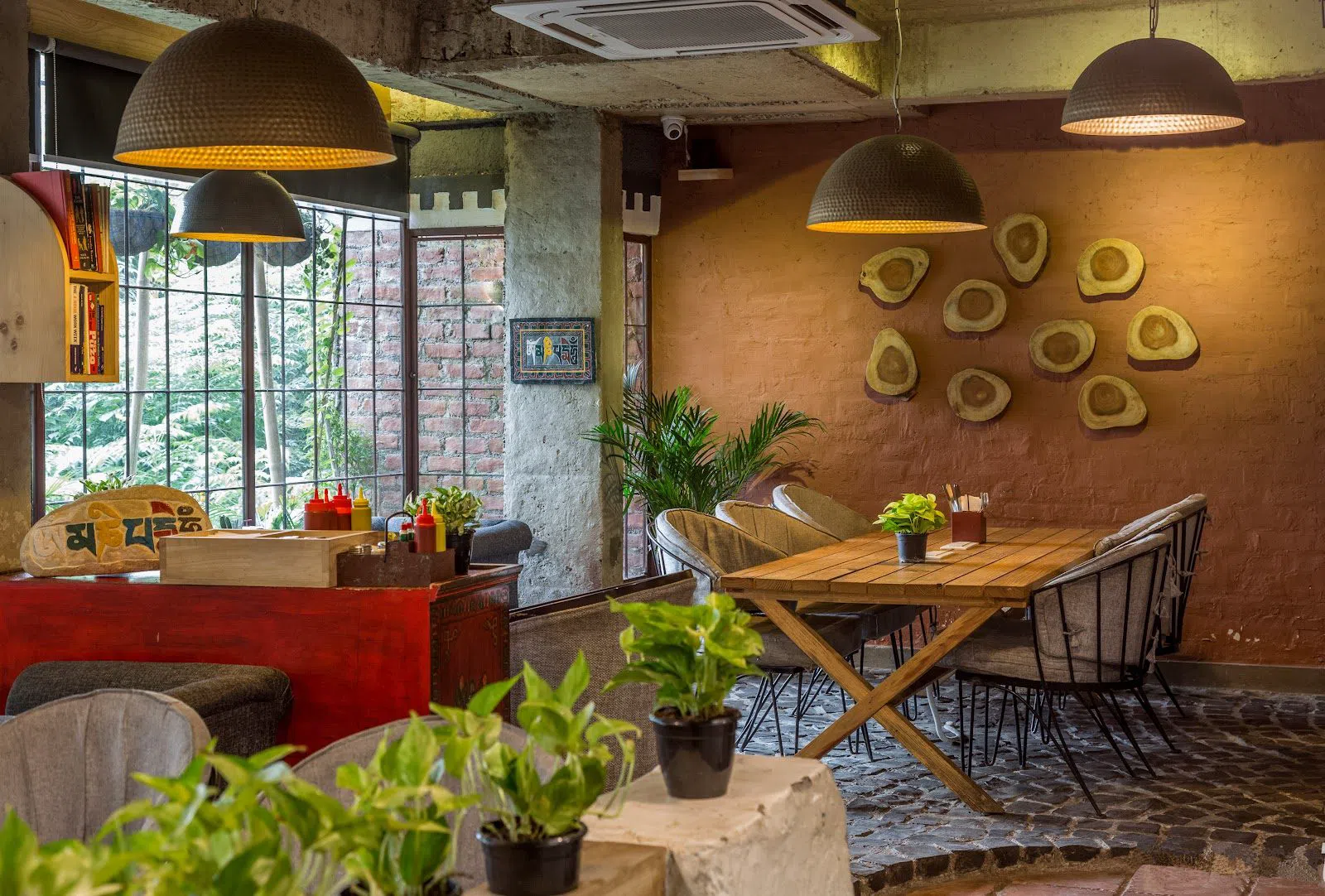
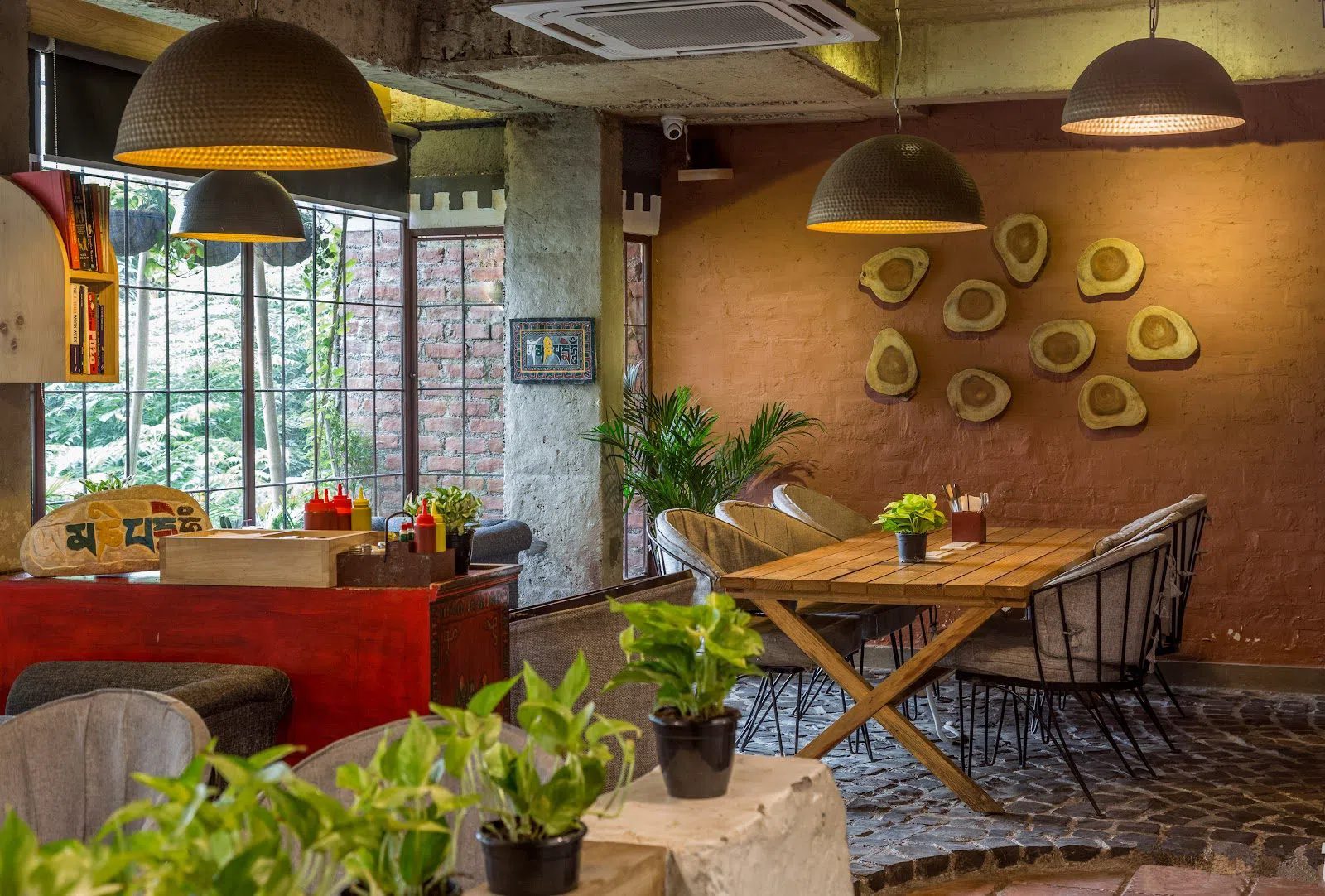
AMA Café (Old Camp) is the colony's most reliable morning room and the softest landing if this is your first time in the lanes. Order the Himalayan breakfast (eggs, aloo khatsa and Tibetan bread) and let the coffee take its time; ₹500-800 for two. It is walk-in only with no reservations, and the room is genuinely small: comfortable for two to four, awkward above six. If there are more of you, come before 9am or in the mid-afternoon lull and you will get a table without standing over anyone. It rates 4.8 on Tripadvisor and sits inside New Delhi's top 100 restaurants, which is unusual for a room this unassuming, and the cooking has not slipped to match the attention.
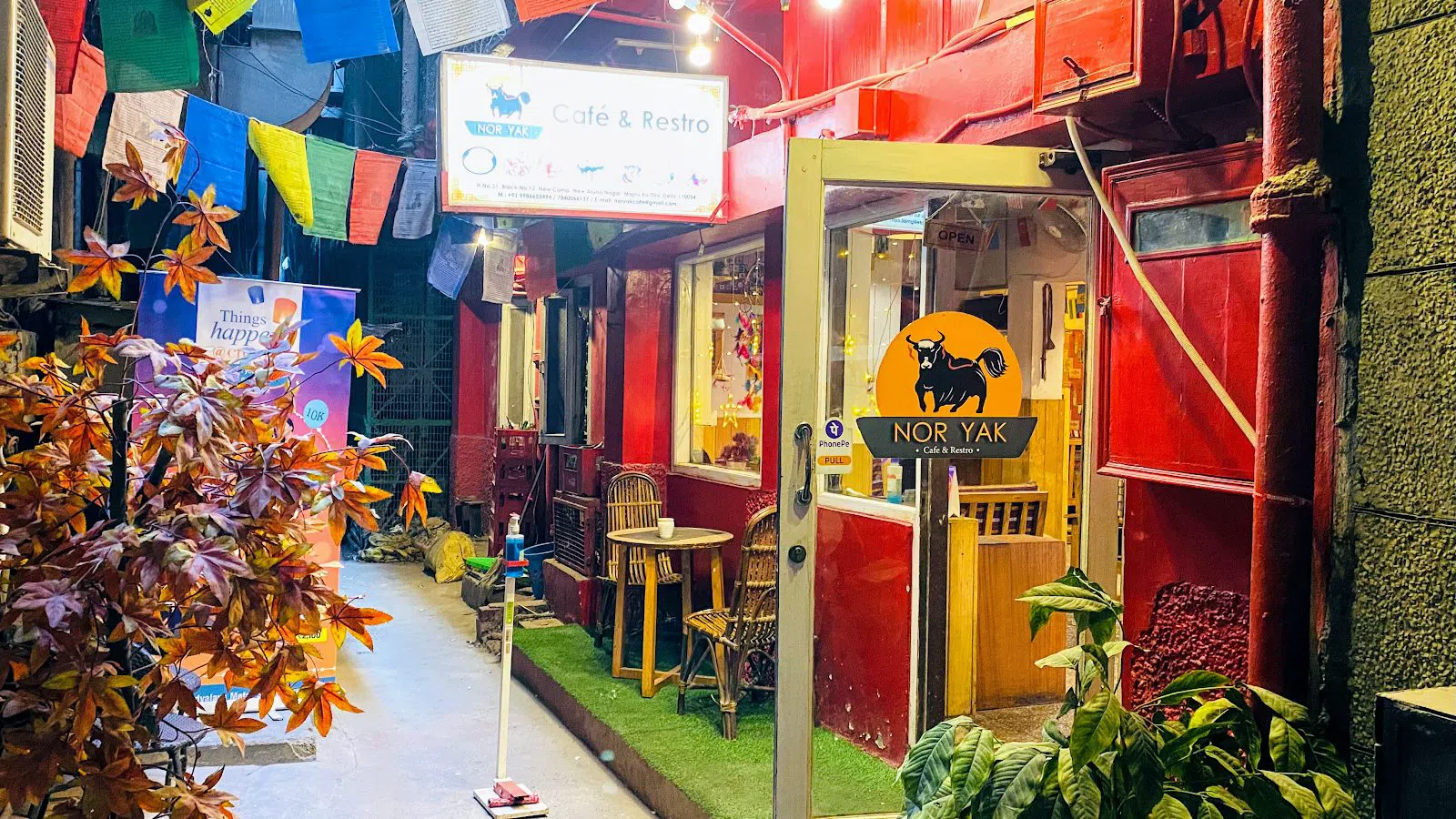
For a slower start, Nor Yak Cafe & Restro (Old Camp) does Tibetan breakfast, egg chowmein and decent baking at ₹400-600 for two, and it is the better choice if you want to sit for an hour with a book. It is snug, two to four people realistically, though the kitchen does catering, so a larger party can arrange something ahead rather than trying to squeeze in. It is also one of the few addresses here still visibly trading through 2026 listings, which matters more than it sounds: signage turnover in these lanes is brisk and half the names you find online closed years ago.
The canteens that set the standard
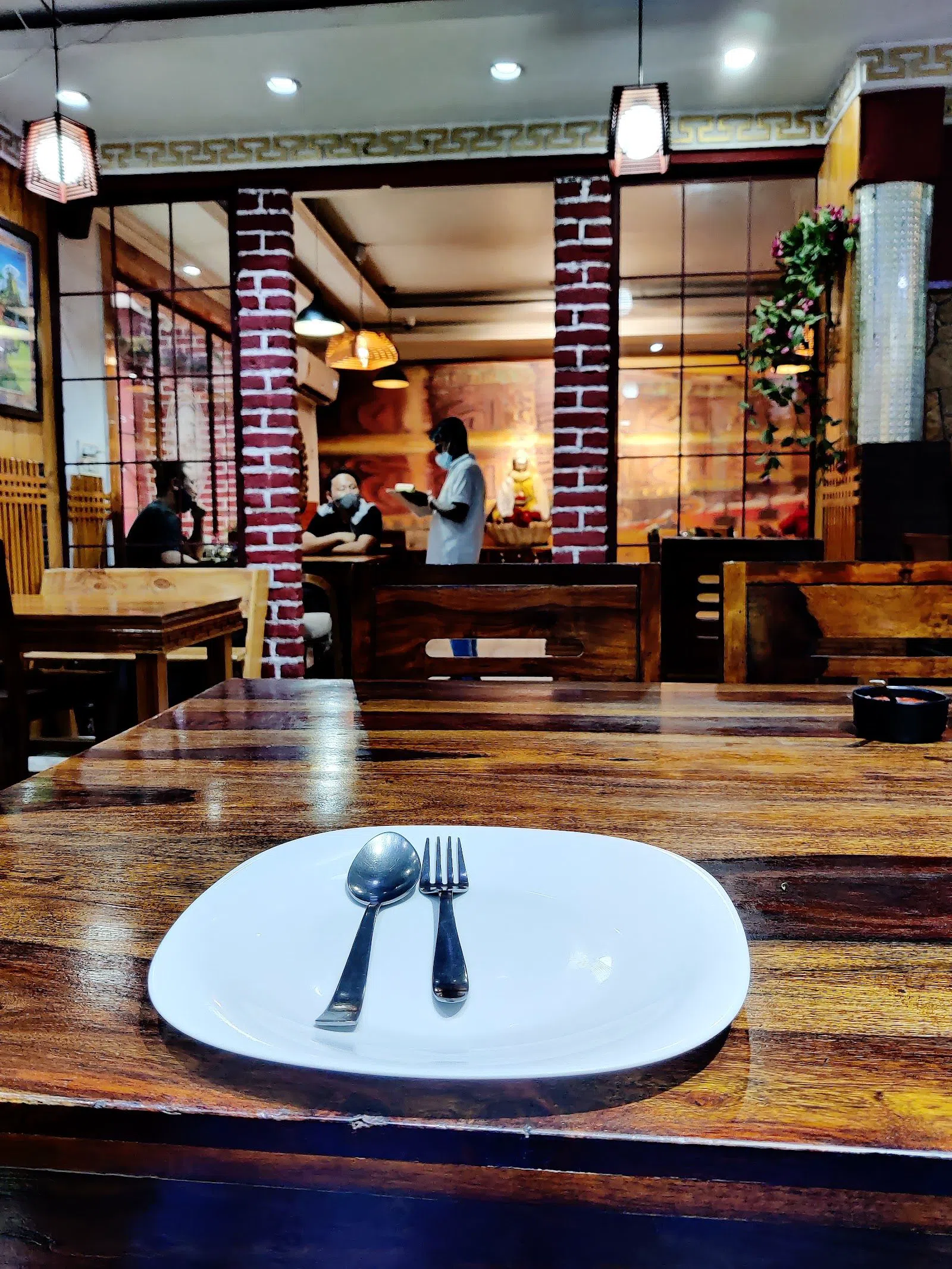
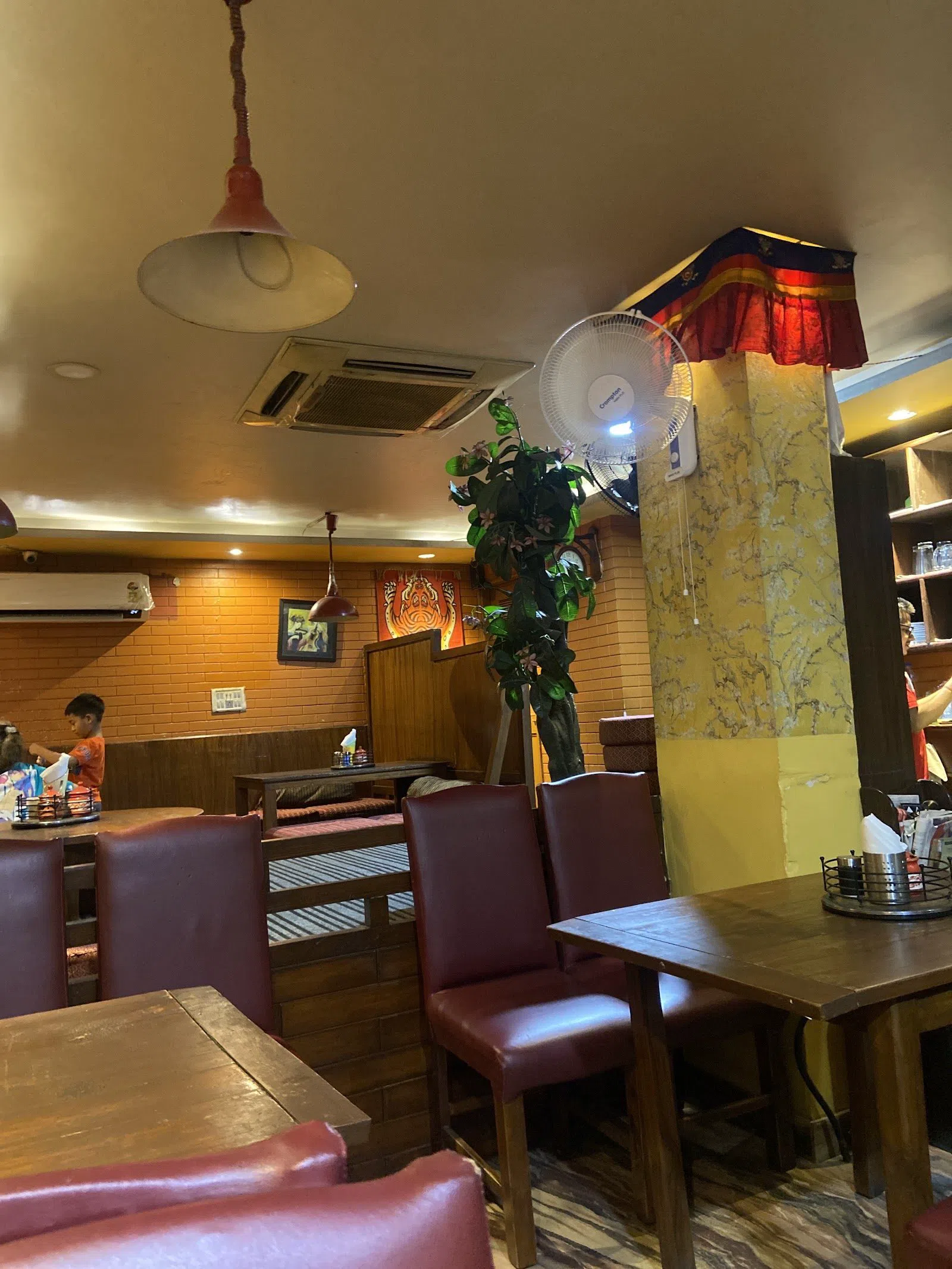
Tee Dee Restaurant (Old Camp) is the benchmark and everyone in the colony knows it. Eat shabalay (fried meat pastry, crisp-edged, eaten hot) with shapta and tingmo to soak up the sauce, and drink the house non-alcoholic fruit beer, which is a local ritual. Two people eat for ₹400-600. There are no bookings, you will queue at 1pm, and you will very likely share a table with strangers. The room is plain to the point of being drab, and that is the point: nothing here has been prettied up for visitors, and the kitchen has not started coasting.
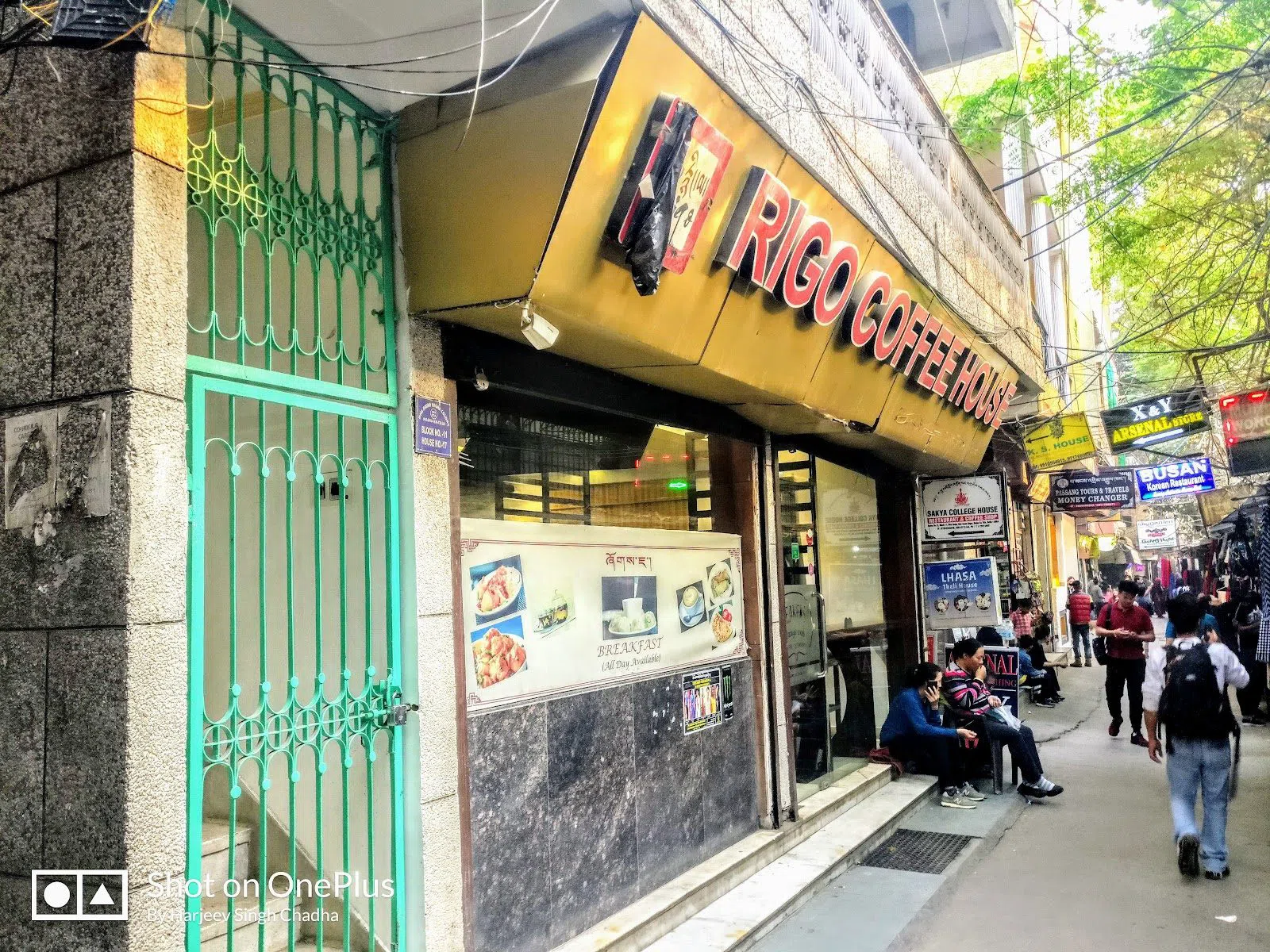
Rigo Restaurant (Old Camp) is the best-known kitchen in the Old Camp and the one to pick when appetite outranks charm. Portions are large, the room is big, and it is unusually strong on kimchi and the chilli-heavy 'devil' momos, which arrive genuinely hot rather than notionally so. Budget ₹800-1,300 for two; walk in. One operator runs several room names along here, so ask for Rigo at the Old Camp address rather than following a bistro sign that sounds close. The signage will not settle the question; a local will.
KoKo Restaurant & Cafe (79D Old Camp) is the steady middle option: reliable thukpa, good pork dishes, colony prices at around ₹500 for two, open noon to 10.30pm, no bookings taken. Two warnings. There are several Koko signs in these lanes, and the older House 31 branch is permanently closed. Use the 79D Old Camp address and ignore anything that points you elsewhere.
Pork, tsamthuk and the food families actually eat
If you only eat momos and thukpa you will leave thinking Tibetan food is a two-dish cuisine. It isn't.
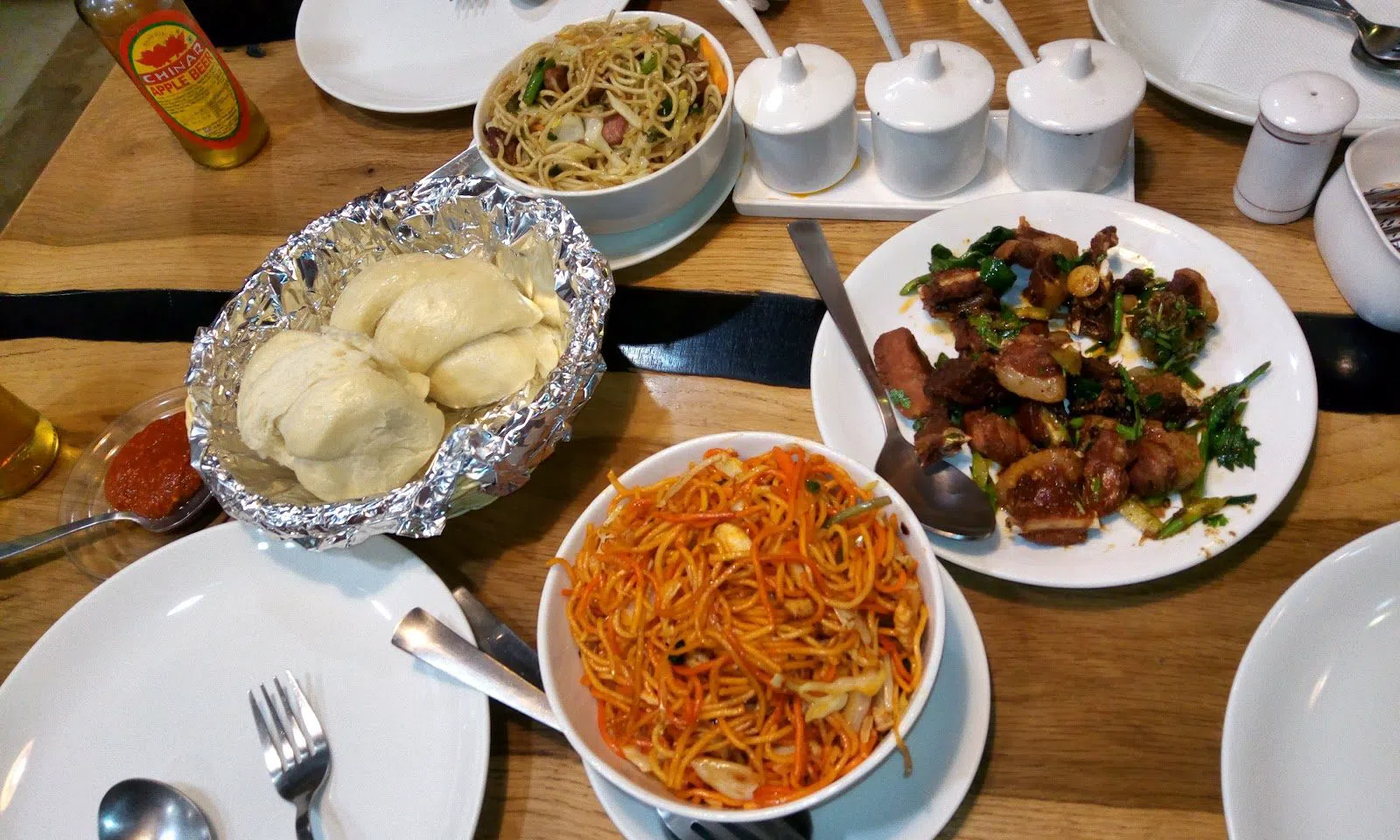
Nor-Khyil Restaurant (Old Camp) is the pork specialist and the most interesting menu in the quarter: koti momo and shapta, yes, but also tsamthuk and bodja, which are hard to find anywhere else in the city. This is the food Tibetan families eat at home rather than the shortlist visitors order, and if you have one adventurous meal here, have it in this room. It is small-to-mid sized, comfortable for four to six, walk-in, and ₹500-700 for two.
Makye Amay Tibet Kitchen (Old Camp) is the newer arrival and it plates Tibetan food properly, with chicken momos made to order rather than steamed in advance and held. Worth the extra if you want the cooking without the canteen setting; ₹700-1,000 for two, walk-in, and the casual-dining layout handles six to eight without fuss. One honest caveat: if you have an allergy or you are avoiding MSG, say so twice, at the order and again when the food lands. Requests have been missed here.
Feeding six or more
Groups are where this quarter catches people out. Most of the best rooms seat four.
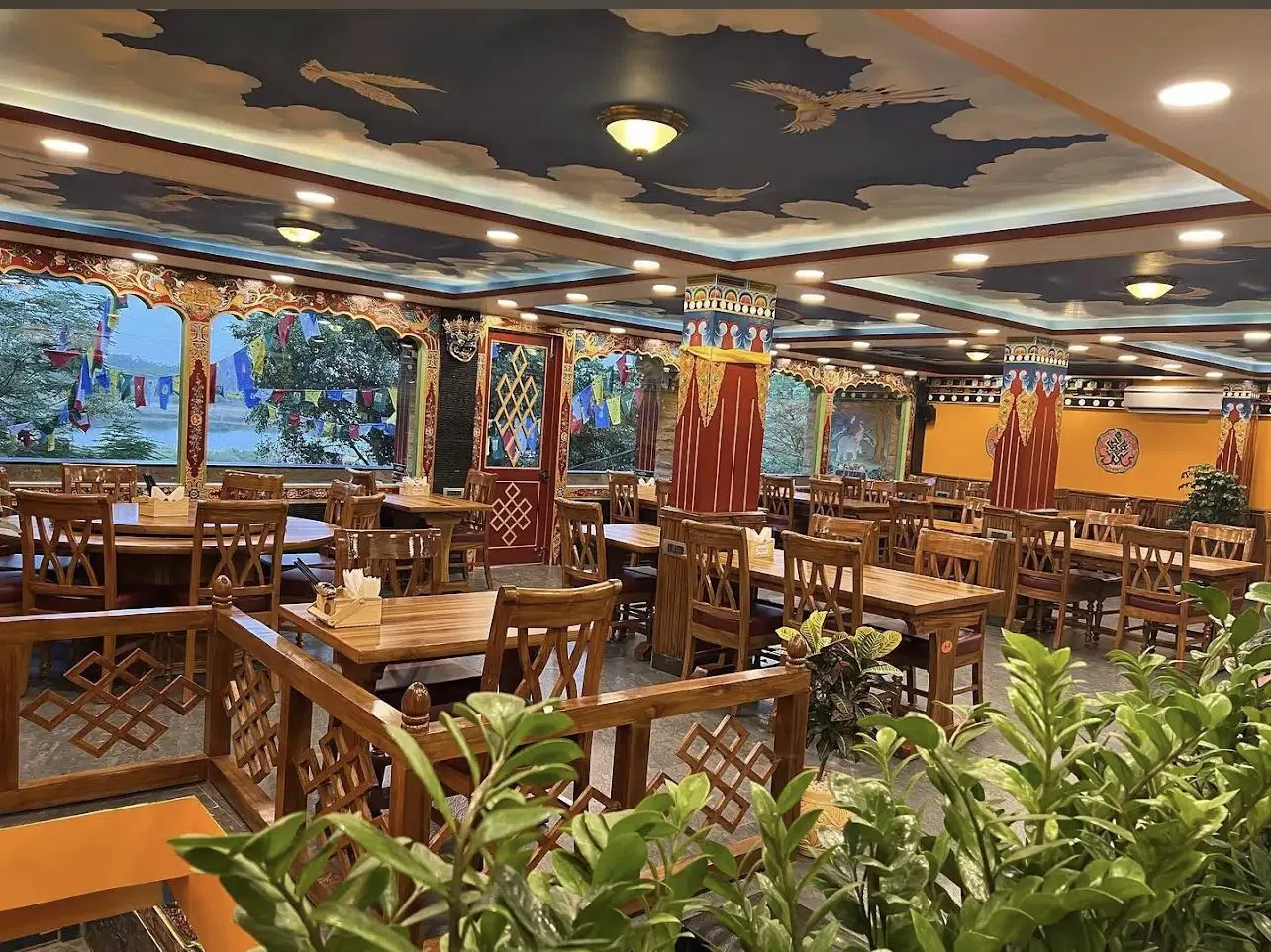
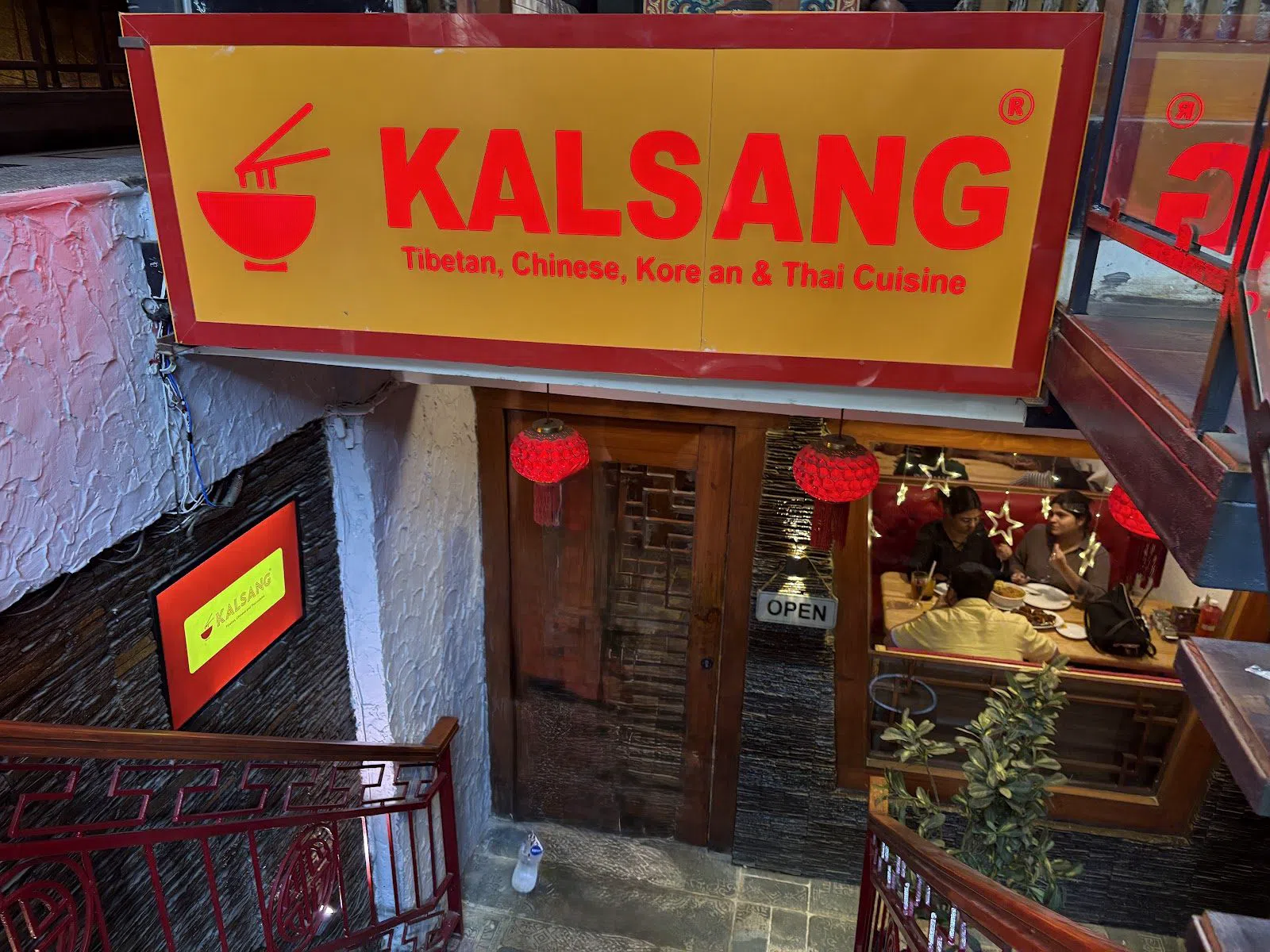
Kalsang Restaurant (Old Camp) is the answer for a proper sit-down: a first-floor dining room serving Tibetan alongside Thai, Korean and Chinese, and the one address in the colony that reads as a restaurant rather than a canteen. Call ahead if there are eight or more of you. Prices are roughly double the lane average at ₹1,000-1,200 for two, which is worth knowing before you feel hard done by. You are paying for chairs, service and a room that will take a booking.
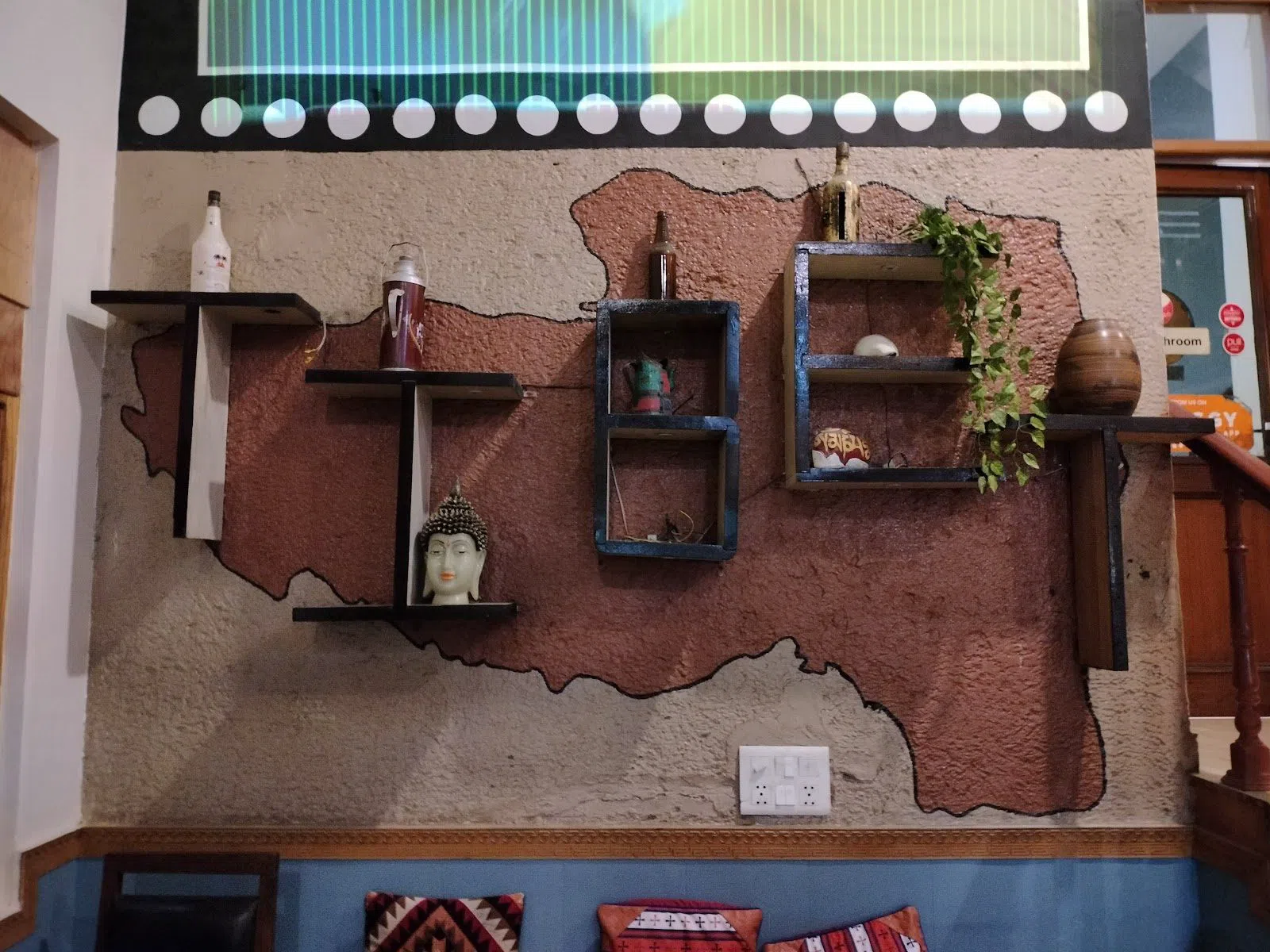
Himalayan Restaurant (Old Camp) is the pick when your group's tastes are split. It carries the broadest Himalayan range here (Tibetan, Nepali and Indian on one menu), it is roomy, it is used to student groups making noise, and it runs 12.30pm to 11pm, the latest kitchen on this list. Order the thukpa and the kothey momos; ₹900-950 for two. If you have arrived late and everything else has shuttered, this is where you end up, and it is not a consolation prize.
Eat the laphing standing up
Tenzing Aunty's Laphing Stall (Old Camp lane) is the single most characteristic thing to eat in Majnu ka Tilla, and it costs ₹30-40 a plate. Cold hand-made laphing, dry or soupy, with the spice pitched anywhere from mild to genuinely fierce if you ask for it. There are four other laphing stalls in the same lane and they are not the same: she makes hers entirely by hand, and that is the whole reason to walk past the others.
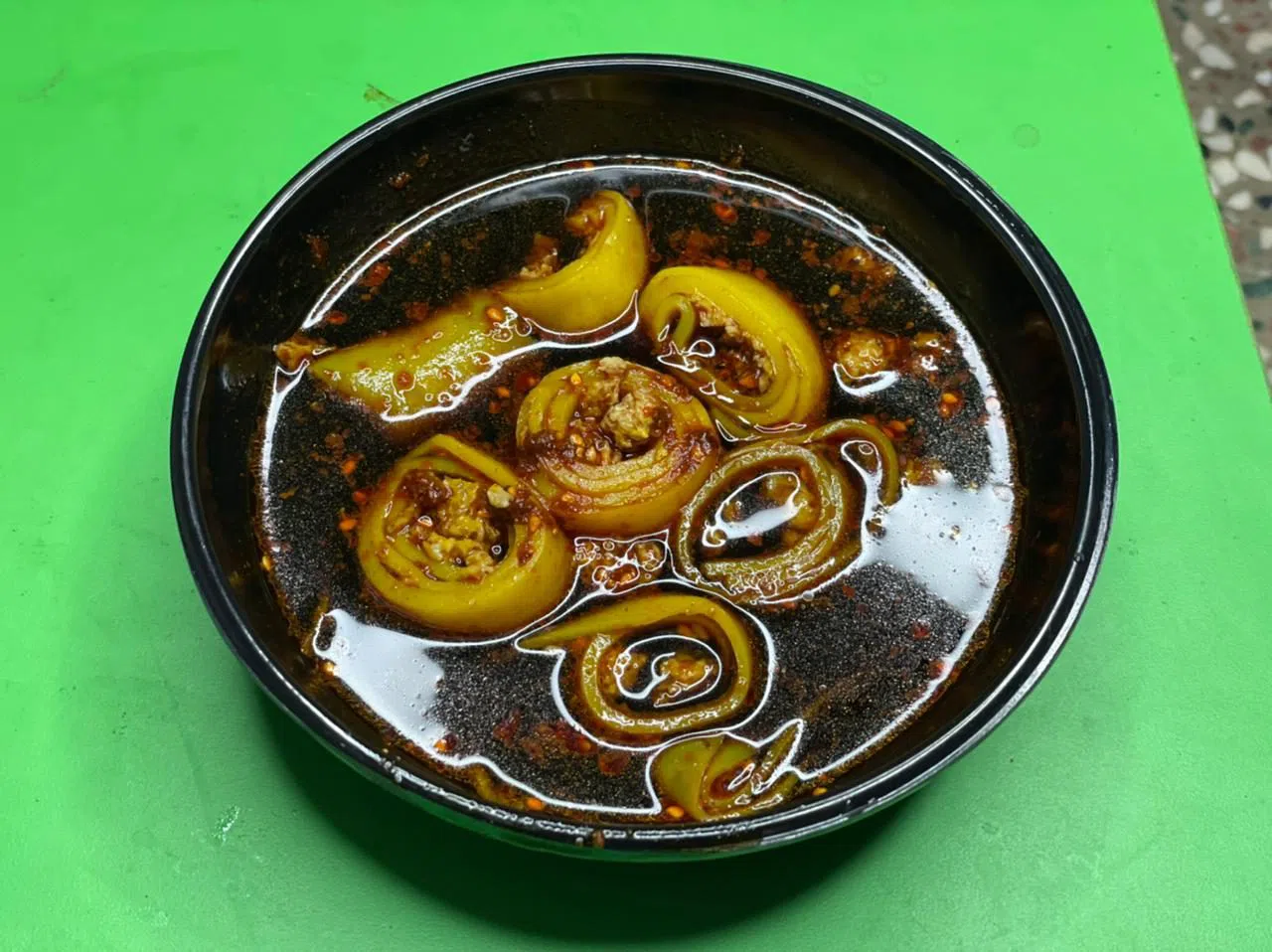
There is no seating and there is no version of this that works for a group standing in a narrow lane. Take it away, walk the two minutes to the monastery courtyard, and eat it there. Cash, obviously, and small notes. Nobody is breaking a ₹500 for a ₹35 plate.
The quarter is Himalayan-Korean too
After a day of momos, Kori's (Old Camp) is the useful counterpoint and the evidence that this is a Himalayan-Korean quarter as much as a Tibetan one. It runs 11am to 10pm and costs ₹500-700 for two. It is genuinely tiny, two to four people only. Do not arrive as a party of six and expect to be accommodated; you will simply be turning around in the doorway while other people eat.
Staying past dark on the roof
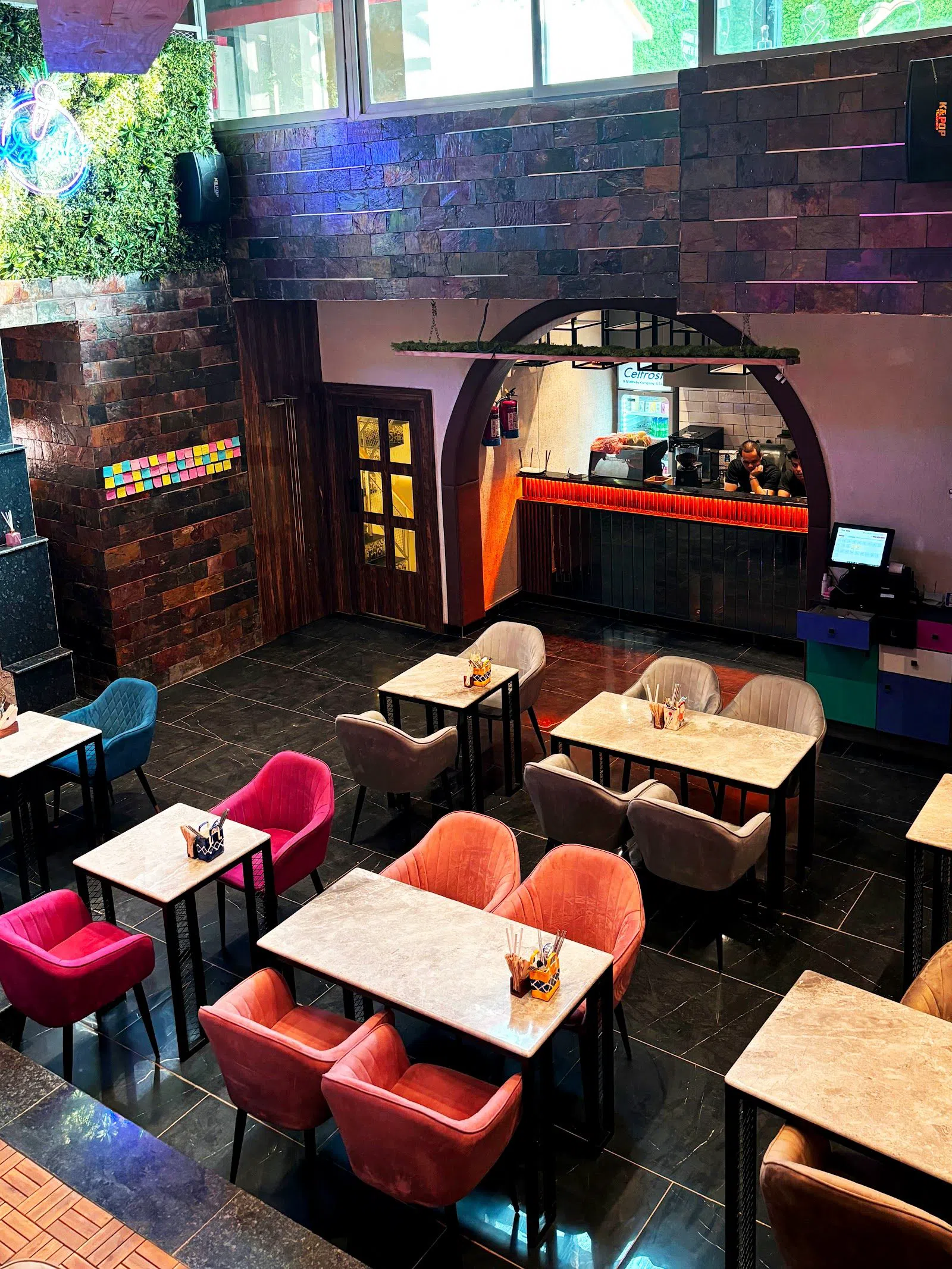
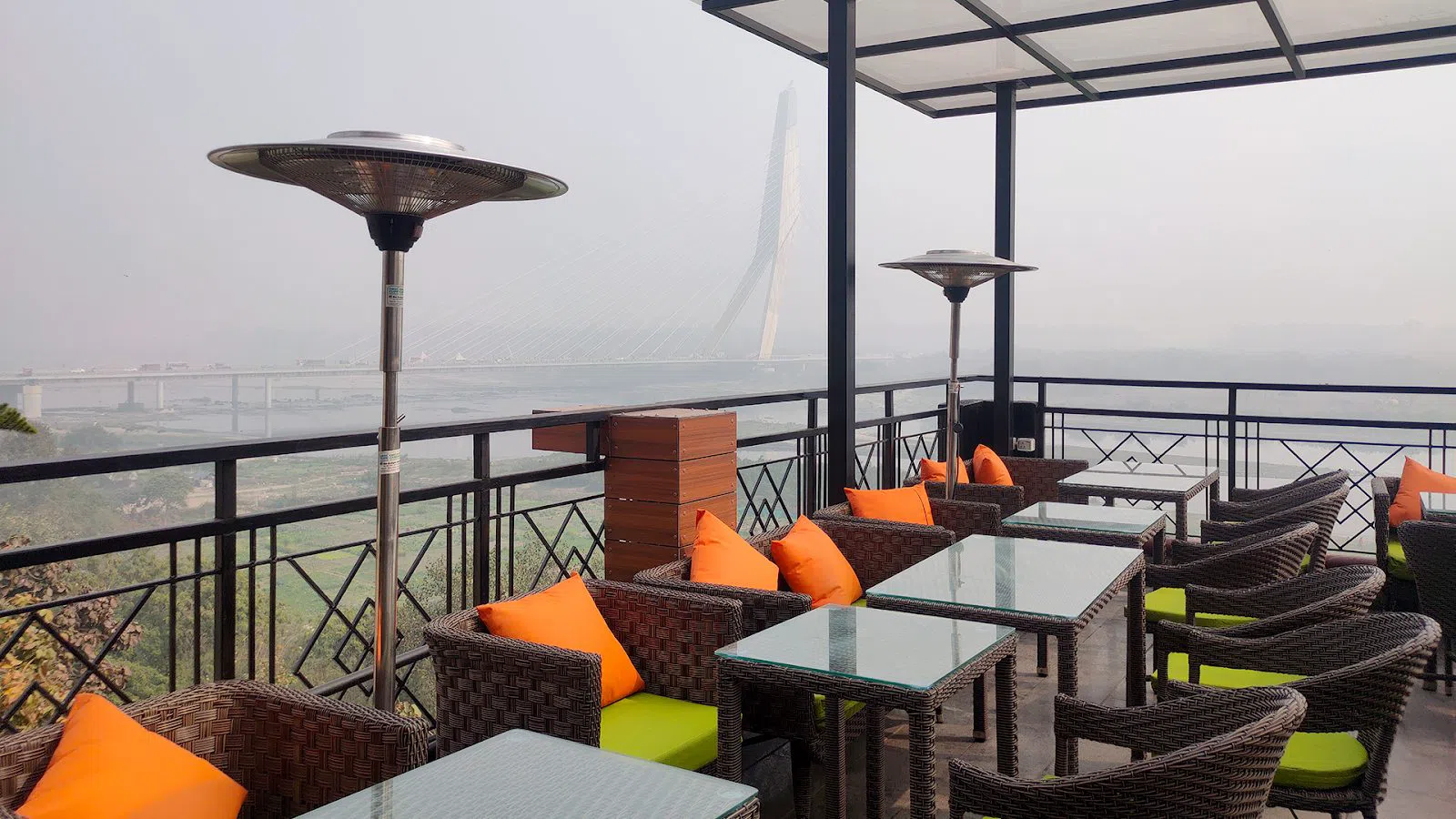
Signature Cafe (Old Camp) is the only place here with a real view, an open terrace above the tangle of cable and washing lines, and it is the best group and sunset spot in the colony at ₹700-1,000 for two. Arrive before dusk if you want a railing table; after dark the good seats are gone and you are drinking in the middle of the terrace looking at other people's backs.
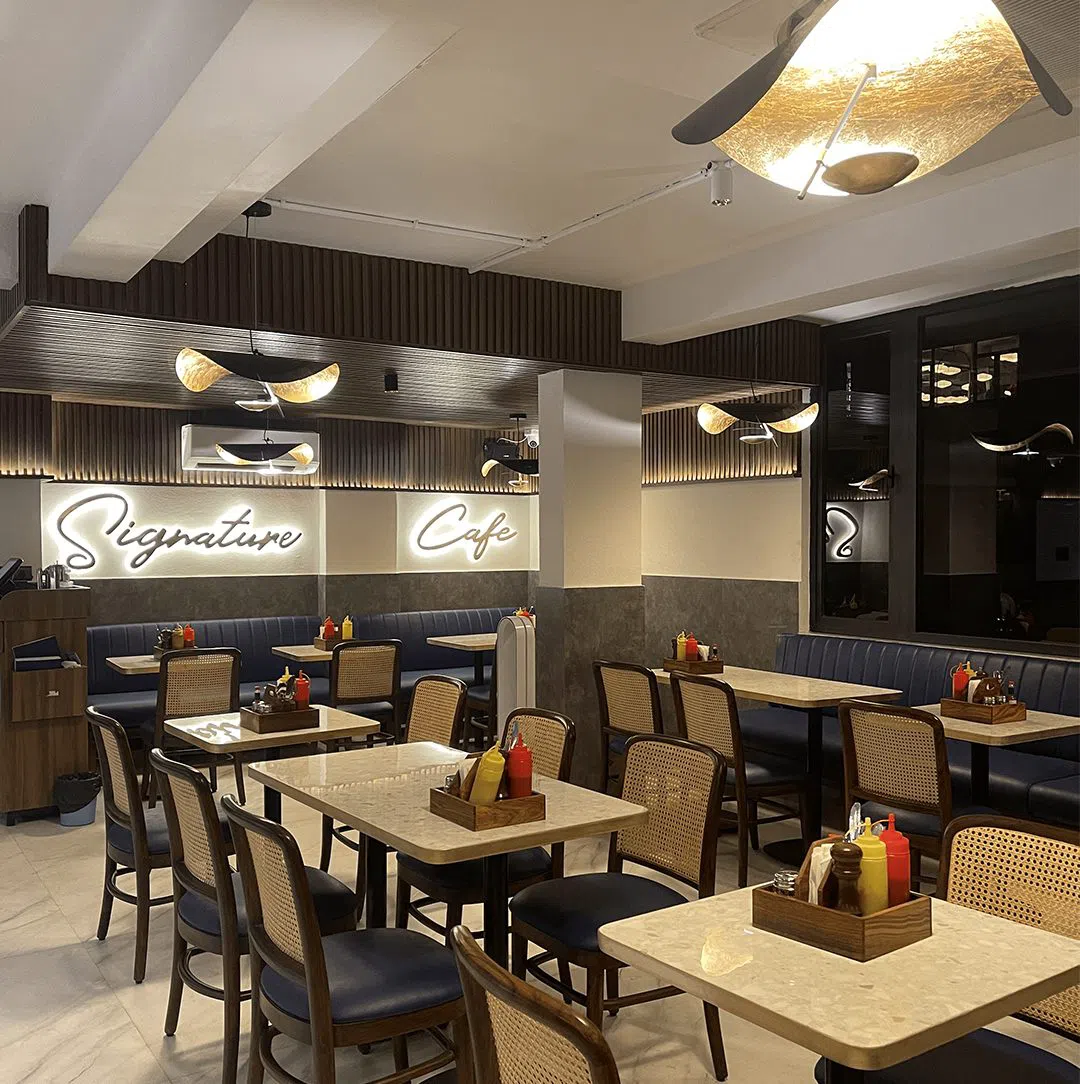
One thing to check rather than assume. It is a multi-storey rooftop venue, the exact category the Delhi High Court flagged in December 2025 over building-plan and fire clearances. Confirm it is trading on the day before you build an evening around it, and have Himalayan Restaurant as your fallback.
Sleeping inside the colony
If you would rather wake up in the lanes than commute into them, Wongdhen House (Old Camp) is the obvious base: a small guesthouse taking bookings across the major platforms, from roughly ₹1,500 a night, with an attached restaurant whose momos hold up (₹300-500 for two). It runs 8.4/10 across 848 reviews with fresh 2026 feedback, and because the property is small you should block rooms early if there are several of you. For anything grander, or if you want to be closer to the centre and treat this as a day trip, run a Delhi hotel search and come north in the morning.
Walking in with a guide

The lanes are unsigned, the entrance from the main road is easy to miss entirely, and a first visit can be spent mostly working out where you are. Delhi Walks — Himalayan Food Trail solves that in one pass: it meets at Civil Lines metro, runs evening slots between 4pm and 8pm, lasts about 1.5 hours and costs ₹5,000 per person. It takes individual, group (4+) and family bookings, and the guide gets you into the monastery, the stalls and the shops in a single sweep. Book by phone or email. The web form is not reliable.
It is not essential. If you are comfortable navigating by smell and a map pin, walk it yourself and spend the money on lunch.
Practical notes
Getting there. Vidhan Sabha and Civil Lines are the nearest metro stations, both a short auto ride from the colony gate on the outer ring road; ask for New Aruna Nagar or the Tibetan Colony, not the gurudwara, or you will be dropped on the wrong side of the road. Once you are in the lanes, everything on this list is within a five-minute walk of everything else.
Cash. Bring it. The stalls, and several of the smaller kitchens, work in cash, and Tenzing Aunty's certainly does. Carry ₹100 and ₹200 notes. Nobody in a lane this narrow wants to make change for a ₹2,000 note at nine in the morning.
Timing. Come before 9am for breakfast and an empty monastery, or after 3pm to eat through the afternoon and stay for the roof. Avoid 1pm to 2pm unless you enjoy queueing: Tee Dee and Rigo both fill and neither takes a booking. Kitchens here close earlier than you expect; Himalayan Restaurant to 11pm is the outlier, not the norm.
Budget. Two people can eat extremely well all day for ₹1,500-2,000 including a rooftop drink, which is the argument for this quarter. A single meal at Kalsang costs what three canteen meals cost, and a laphing plate costs less than the auto ride in.
Manners. Head covered and shoes off at the gurudwara, shoes off and no photographs inside the prayer hall, and if you are a group of eight, call Kalsang rather than walking into a four-table room and hoping.
Before you go
How do I get to Majnu ka Tilla and where exactly is the entrance?
Vidhan Sabha and Civil Lines are the closest metro stations, both a short auto ride away on the outer ring road. Ask the driver for New Aruna Nagar or the Tibetan Colony rather than the gurudwara. The shrine is five minutes' walk away on the other side of the road, and the colony entrance from the main road is unsigned and easy to miss.
Do I need cash, or will cards work?
Bring cash. The street stalls work in cash only (Tenzing Aunty's Laphing Stall charges ₹30-40 a plate) and several of the smaller kitchens prefer it. Carry ₹100 and ₹200 notes; nobody will break a large note for a ₹35 plate.
What should I eat if I only have one meal here?
Shabalay at Tee Dee Restaurant, then a plate of laphing from Tenzing Aunty's eaten in the monastery courtyard. If you want the food Tibetan families actually cook rather than the visitor shortlist, go to Nor-Khyil instead and order tsamthuk or bodja.
Can I visit the monastery and the gurudwara, and are there rules?
Yes, both are free and open to everyone. Ganden Tharpa Ling Monastery runs roughly 6am to 8pm, with shoes off before the prayer hall and no photographs inside it. Gurudwara Majnu Ka Tila is open 24 hours; cover your head and remove your shoes, and the langar kitchen will feed you whatever time you arrive.
Where can a group of eight actually sit down to eat?
Kalsang Restaurant, which has a proper first-floor dining room and takes a call ahead for eight or more, or Himalayan Restaurant, which is roomy and used to large groups. Rigo also handles six to ten. Avoid Kori's and AMA Café with a big party: both are small enough that you will not fit.