The Delhi issue
Delhi's Sufi Soul: Thursday Night Qawwali at Nizamuddin Dargah
Every Thursday after dark, a 700-year-old shrine lineage still sings Amir Khusrau's verses in Nizamuddin's own courtyard — here's how to be there, and where to turn if the crowd, the calendar, or the etiquette feels like too much.
By Bram VerhoevenA Dutchman reading Delhi one neighbourhood at a time
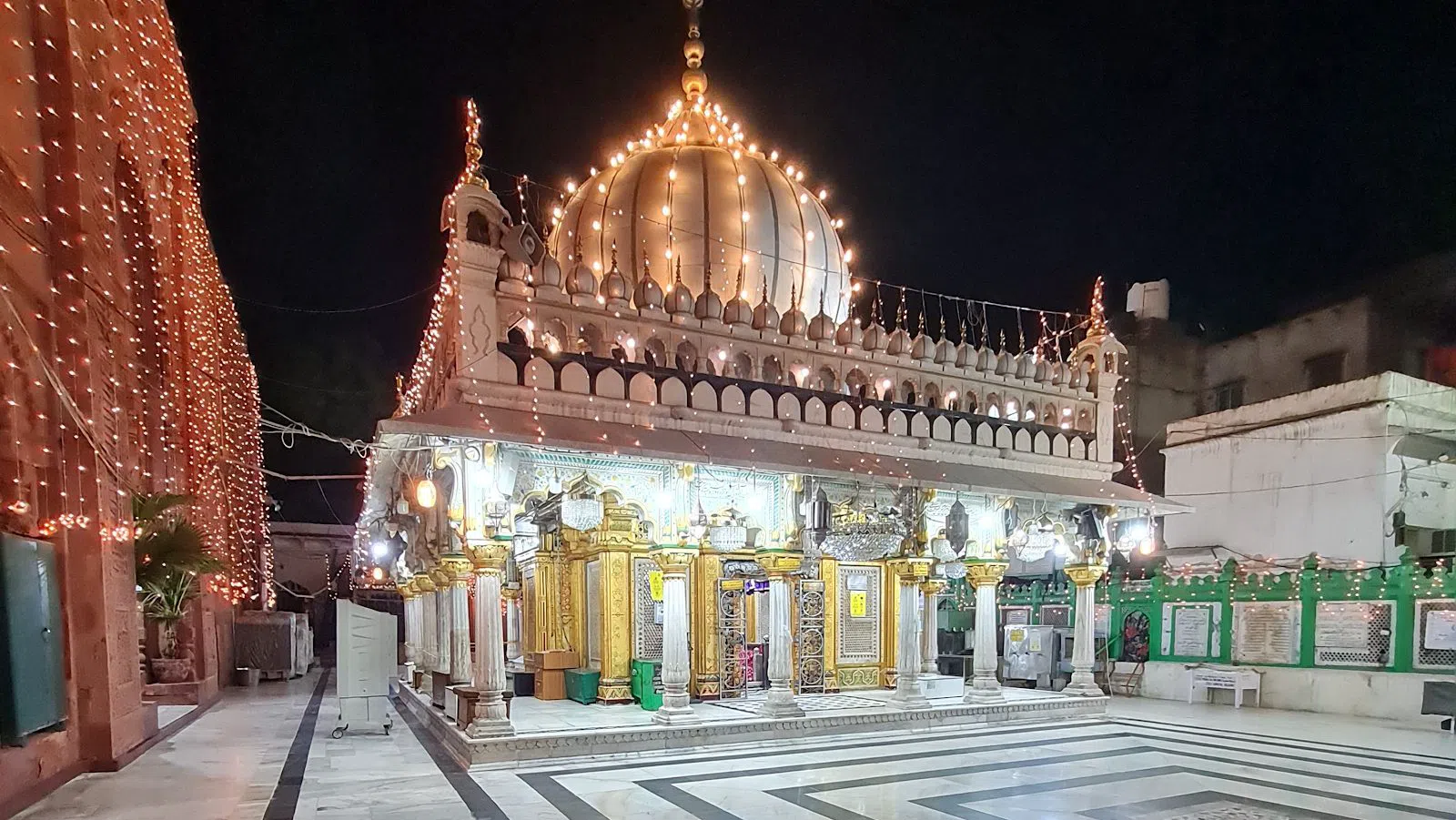
By half past six on a Thursday evening, the lanes of Nizamuddin Basti have already narrowed to a shuffle of shoulders, marigold garlands and the smell of rosewater and frying jalebi, and somewhere ahead — you can't yet see it, only hear it — a harmonium is being tuned. Follow that sound past the shoe-minders and the flower-sellers and it opens into a marble courtyard where, for seven centuries running, a family of qawwals has sung the same poet's verses to the same saint on the same night of the week. Delhi is loud in almost every direction; this is the one place it deliberately isn't, for about two hours, after dark.
The Shrine Itself: Nizamuddin's Thursday Mehfil
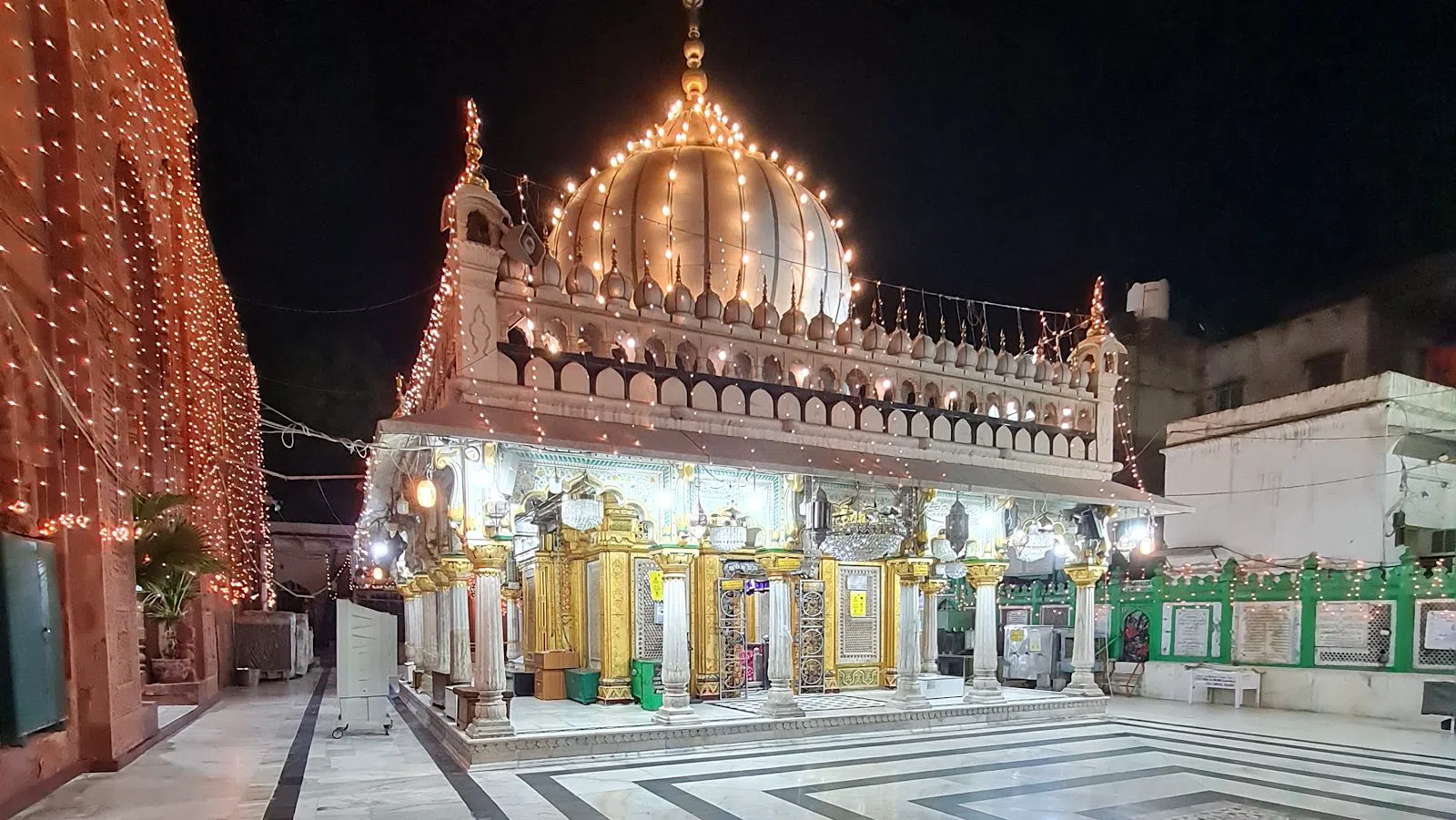
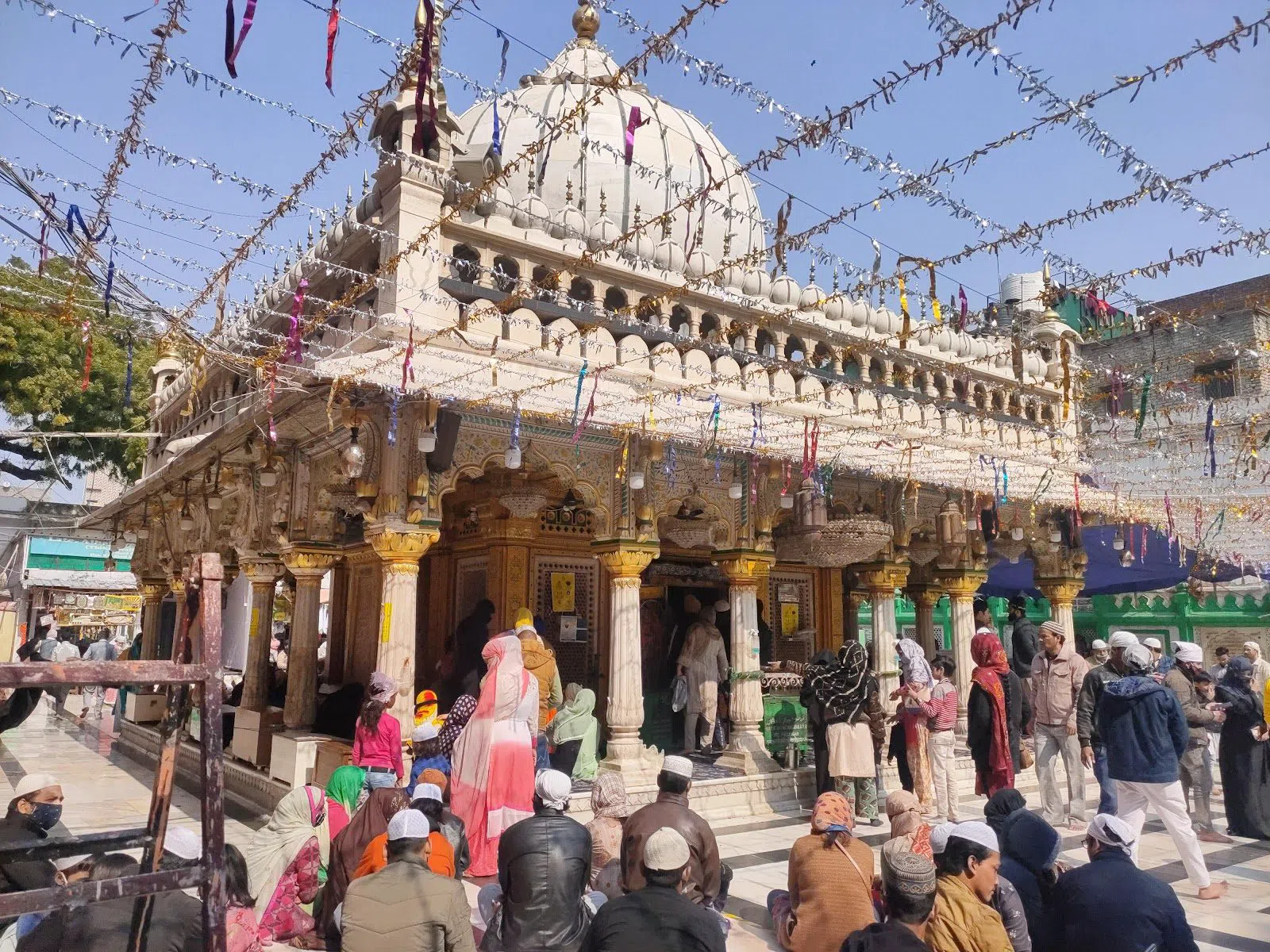
Hazrat Nizamuddin Dargah, in Nizamuddin Basti near Nizamuddin East, is the reason this whole evening exists, and it's worth being honest about what it actually is before you go: a working shrine, not a venue. There's no booking system, no fee, no guest list, and no one will turn away a group of visitors who behave respectfully — but you are a guest inside someone else's act of worship, not an audience at a show. The Thursday-night mehfil (devotional gathering) is performed by the Nizami Bandhu, the qawwal family whose lineage traces back to the disciples of Amir Khusrau himself, the 13th-century poet and musician who was Nizamuddin Auliya's closest follower and who is buried a few steps from his saint. The sessions typically run in two sittings after the Maghrib (sunset) prayer, roughly 6–7:30pm and again 9–10:30pm, though timings shift with the season and with how busy the shrine is that week — there's no printed schedule, so treat those windows as a guide, not a train timetable.
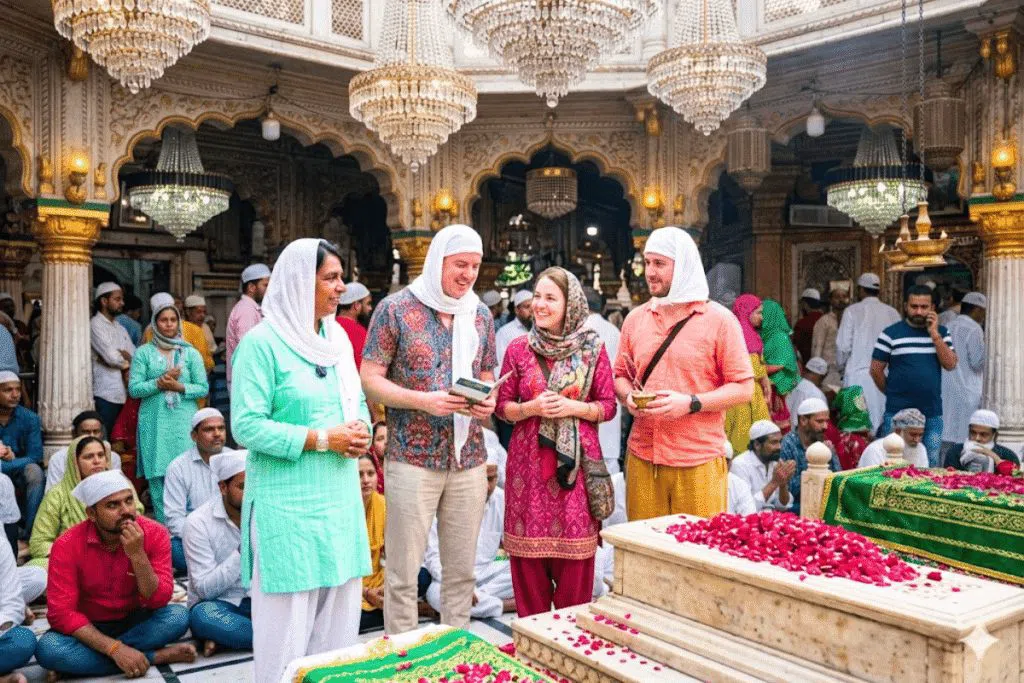
What you owe the shrine in return for free entry is straightforward but non-negotiable: cover your head (scarves are sold or sometimes lent at the entrance), dress modestly (shoulders and legs covered, nothing sheer or sleeveless), and remove your shoes before the inner courtyard — there are shoe-minders who'll hold them for a small tip. Phones should stay low-key, especially near the grave chamber itself; this is not the place for a selfie stick or a loudly narrated video call, and a discreetly held phone shooting a few seconds of video will get you further than an obvious one held at arm's length. Many visitors leave a flower garland or a chadar (ceremonial cloth) as an offering at the grave, which typically runs ₹50–500 depending on size and quality — entirely optional, never required, and not a fee for the music. The crush around the courtyard on a Thursday can be genuinely tight, particularly in the 15 minutes either side of the first sitting starting, so arrive a little early if you want to actually see the qawwals rather than just hear them over a wall of shoulders.
None of this is a stereotype of "spiritual India" to tick off a list — Nizamuddin Basti is a dense, lived-in neighbourhood with its own bakeries, biryani stalls and Mughal-era tombs tucked between houses, and the dargah is its beating centre rather than a museum piece frozen for visitors.
Plan your Delhi trip
Live prices from our booking partners.
Free cancellation on many rooms. We may earn a commission when you book.
If the Shrine Session Is Too Crowded: The Ticketed Alternative
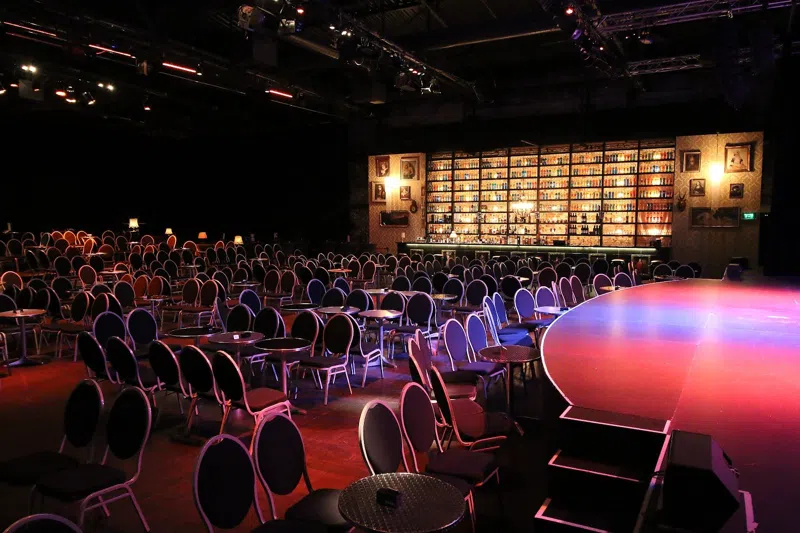
If the idea of standing in a packed, unfamiliar courtyard on your one free evening in the city doesn't appeal — or you're travelling with young children, or your schedule simply doesn't line up with a Thursday — there's a legitimate formal alternative using the exact same musicians. Nizami Bandhu Qawwali Nights, at Kamani Auditorium in Copernicus Marg, near Mandi House (an interchange on the Blue and Violet metro lines), puts the same resident qawwal lineage on a proper stage, seated, ticketed, and fully predictable. Tickets run ₹500–2,500 through BookMyShow depending on seating tier, and because it's a conventional auditorium booking, there's no shrine etiquette to navigate, no shoes to remove, and no uncertainty about whether you'll actually see anything. It's the sensible fallback for a family group, for anyone travelling with a tour party too large to blend quietly into the dargah crowd, or simply for a trip where the shrine's own session falls on the wrong night. The music is genuine and the family is the same one singing at the dargah — what you're trading is the raw, unstaged intensity of the courtyard for the guarantee of a seat and clear sightlines.
Beyond Nizamuddin: The Quieter Chishti Shrines
Nizamuddin is the most famous of Delhi's Sufi shrines, but it isn't the only one, and if the scale of a Thursday-night crowd there sounds like too much, two others offer the same devotional current with far fewer visitors.
Dargah Hazrat Khwaja Qutbuddin Bakhtiyar Kaki, in Mehrauli in south Delhi (nearest metro: Qutub Minar, on the Yellow Line), is in fact the spiritual senior of the two — Bakhtiyar Kaki was Nizamuddin Auliya's own spiritual predecessor in the Chishti lineage, several generations back. It's free, open to all, needs no booking, and because it sits well outside the usual tourist circuit, a small respectful group can attend without becoming the visible centre of attention the way a cluster of visitors sometimes does at Nizamuddin. Qawwali here runs on Thursday and Sunday evenings, which conveniently gives a second night of the week to catch it if Thursday doesn't work.
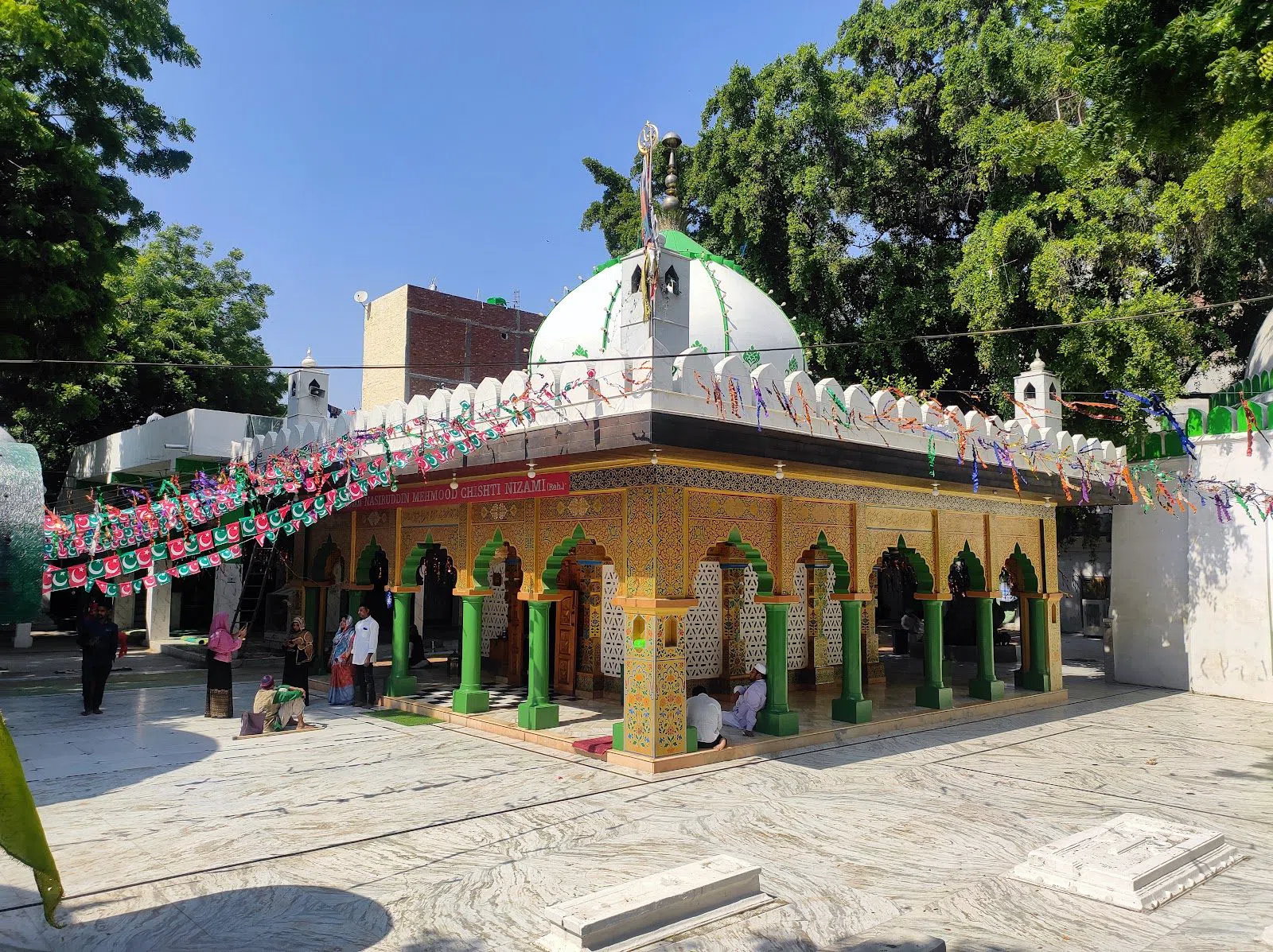
Hazrat Khwaja Nasiruddin Chirag Dilli Dargah, in the Chirag Dilli neighbourhood (best reached by auto from Panchsheel Park or Malviya Nagar on the Yellow Line, since it isn't itself on a metro line), is the third of the city's great Chishti shrines, dedicated to a disciple of Nizamuddin Auliya known as "the lamp of Delhi." It's genuinely local and low-key — free, open, with no formal booking — and qawwali sittings happen on most evenings, though far less codified than Nizamuddin's fixed Thursday slot. The intensity peaks hardest during the Ramzan Urs (the saint's death-anniversary observance), so a random weeknight visit should be treated as a welcome bonus rather than a sure thing. This is the shrine for a traveller who has already done Nizamuddin and wants the off-circuit version — the one where you're far more likely to be the only visitor in the courtyard rather than one of a hundred.
Guided Ways In: Walks That Set Up the Night
For a first-time visitor, the biggest practical hurdle at Nizamuddin isn't the music — it's the neighbourhood itself, a genuine warren of lanes with no signage aimed at outsiders. A guided walk timed to finish at the shrine solves that without turning the evening into a package tour.
Nazm-e-Nizamuddin Heritage Walk, run by Delhi Walks through Nizamuddin Basti, is sold as private or small-group tours and has a specific family package (2 adults + 2 children), priced at ₹1,200 per person. It's a solid first orientation — history of the basti, the poet Khusrau's tomb, the layered architecture — timed so the walk's finish coincides with the Thursday evening qawwali. Worth noting plainly: the operator is explicit that it cannot arrange or guarantee access to the music itself, since no one can book a religious gathering. What it guarantees is that you'll arrive at the right gate, at the right time, already understanding what you're looking at.
Call of the Sufi — Qawwali Nights, run by GoWithHarry and meeting near Nizamuddin Basti, does the same job at a higher price point (around ₹3,500 per person) but for a slightly different traveller — someone who wants the history and etiquette explained in more depth alongside the music, not just delivered to the gate and left to work it out. It runs in both small-group and private formats, which suits couples or small parties who'd rather have a guide's context in the room than piece the neighbourhood together alone.

Sair-e-Nizamuddin Heritage Walk, based in Nizamuddin Basti, is different again — it's free, community-run by a youth self-help group from the basti itself, backed by the Aga Khan Trust for Culture, and happily takes groups of any size. The catch, and it's an important one: it runs Saturday and Sunday mornings and late afternoons, not Thursday night, so it won't get you to the qawwali directly. What it does is let you meet the neighbourhood on its own terms, guided by people who actually live there, before or after a separate Thursday-night return for the music itself. Pairing the two — a Sair-e-Nizamuddin weekend walk to learn the basti, then a dedicated Thursday evening back for the qawwali — is arguably the most complete and the most respectful way to experience the area, and it costs nothing but time.
Beyond Thursday: Festivals and Touring Qawwals Worth Planning a Future Trip Around
If your visit doesn't land on a Thursday at all, or you simply want to hear qawwali and related Sufi music in a fuller festival setting, three options are worth knowing about — though two of this year's editions have already passed by the time this is published, and are best treated as dates to build a future trip around rather than options for this week.
The Sufi Heritage Festival, at Sunder Nursery (the restored Mughal-era heritage garden beside Humayun's Tomb, near JLN Stadium on the Violet Line), is a large, ticketed weekend event pairing qawwali with ghazal and Sufi kathak dance, and it's genuinely group- and family-friendly, with tickets running approximately ₹500–2,000 via District or BookMyShow. It's an annual February–March fixture; the 2026 edition ran 28 February–1 March, so if you're reading this after that weekend, flag it as next year's bookend rather than something to chase now.
The Jahan-e-Khusrau World Sufi Music Festival, held at heritage venues across the city, is filmmaker Muzaffar Ali's marquee event, now 25 years running, held across three nights and always built around Amir Khusrau's legacy — the same poet whose verses the Nizami Bandhu sing at the dargah every Thursday. It's straightforward for tour groups, with tickets via BookMyShow running roughly ₹1,000–5,000. The 2026 run took place 27–29 March, so again, this is one for the diary rather than this trip.
The one upcoming option worth actually timing a visit around is the Fanna-Fi-Allah Sufi Qawwali at LTG Auditorium on Copernicus Marg (near Mandi House metro, the same area as Kamani). Fanna-Fi-Allah is an unusual but genuine act — an American-founded troupe devoted to the same Chishti Sufi lineage, performing with English introductions between pieces that make the tradition accessible to an international audience without diluting it. It's a fully ticketed, seated theatre show, priced roughly ₹800–2,500, with confirmed dates of 20–21 October 2026 — a one-off worth building a trip around if those dates line up, rather than a weekly fallback.
Practical Notes: Transport, Cash, Timing and Budget
Getting there. The Nizamuddin Basti area doesn't sit directly on a metro line; the closest station is JLN Stadium on the Violet Line, from which it's roughly a 15–20 minute walk or a short auto-rickshaw ride through busy traffic — a metered taxi or app-based cab (Uber or Ola both operate reliably across Delhi) to the dargah's edge is the simpler option after dark, since the final approach is on foot regardless through lanes too narrow for vehicles. For Mehrauli, take the Yellow Line to Qutub Minar station. For Kamani Auditorium or LTG Auditorium, Mandi House on the Blue/Violet interchange is a short walk from both. Chirag Dilli is the least metro-convenient of the group; an auto from Panchsheel Park or Malviya Nagar (Yellow Line) is the practical route.
Cash. Carry small denomination notes — ₹50, ₹100, ₹500 — for shoe-minders, flower and chadar offerings, and autos, many of which still prefer cash for short hops even as UPI payment apps have spread widely. The dargah itself has no entry fee and no card machines; any offering is handed over in person, not swiped.
Timing. Thursday evening is the one night to build a Delhi itinerary around if the dargah's own mehfil is the priority — arrive by 6pm for the first sitting, or by 8:30–9pm for the second, since the courtyard fills fast either side of the start. Give the whole outing two to three hours door to door, including the walk in and out of the basti's lanes, which are not built for a quick in-and-out visit.
Budget. The core experience — the Thursday-night mehfil at Nizamuddin Dargah — costs nothing beyond an optional flower or chadar offering (₹50–500) and shoe-minder tips (₹20–50). A guided walk adds ₹1,200–3,500 per person depending on operator and format. The ticketed alternatives at Kamani or LTG run ₹500–2,500, and the annual festivals ₹500–5,000 depending on tier. For where to stay before or after a Thursday night in Nizamuddin, start with a Delhi hotel search, and for the rest of the city's neighbourhoods and sights, the full Delhi guide is the place to plan around it.
This is not an evening that needs elaborate planning — a scarf, some small notes, a bit of patience with the crowd, and a Thursday on the calendar are genuinely all it takes. What it does need is the humility to remember you're a visitor inside someone else's centuries-old act of devotion, not a spectator at a performance staged for you.
Before you go
Do I need to book anything to hear qawwali at Nizamuddin Dargah on Thursday night?
No. The dargah's Thursday-night mehfil is a free, open devotional gathering with no booking system, no ticket and no guest list - you simply show up, typically around 6pm or 9pm after Maghrib prayer. If you'd rather have a guaranteed seat, the ticketed Nizami Bandhu Qawwali Nights at Kamani Auditorium (₹500-2,500 via BookMyShow) uses the same qawwal family in a formal concert setting.
What should I wear and how should I behave inside the dargah?
Dress modestly with shoulders and legs covered, bring or buy a scarf to cover your head, and remove your shoes before the inner courtyard - shoe-minders will hold them for a small tip. Keep phones low-key near the grave chamber itself, and remember an offering of flowers or a chadar (₹50-500) is optional, not a fee for entry or for the music.
Is Thursday night at Nizamuddin too crowded for families or solo travellers?
It can get genuinely tight in the 15 minutes either side of the first sitting starting, so families or anyone wanting a calmer experience often prefer the seated, ticketed Kamani Auditorium concert instead. Solo travellers and small groups generally manage fine at the dargah itself by arriving a little early and staying respectful and low-key.
What's the real difference between the dargah qawwali and the ticketed concert versions?
The dargah performance is a live devotional act inside a working shrine - free, unstaged and unpredictable in exactly the way real worship is. Kamani Auditorium and LTG Auditorium's Fanna-Fi-Allah show are formal, seated, ticketed concerts using the same Sufi musical lineage, trading the shrine's raw intensity for guaranteed sightlines and no etiquette to navigate.
Can I visit other Sufi shrines in Delhi besides Nizamuddin on the same trip?
Yes - Dargah Hazrat Khwaja Qutbuddin Bakhtiyar Kaki in Mehrauli holds qawwali on Thursday and Sunday evenings and is far less crowded, while Hazrat Khwaja Nasiruddin Chirag Dilli Dargah offers a genuinely local, off-circuit sitting most evenings, though less predictably than Nizamuddin's fixed Thursday slot.